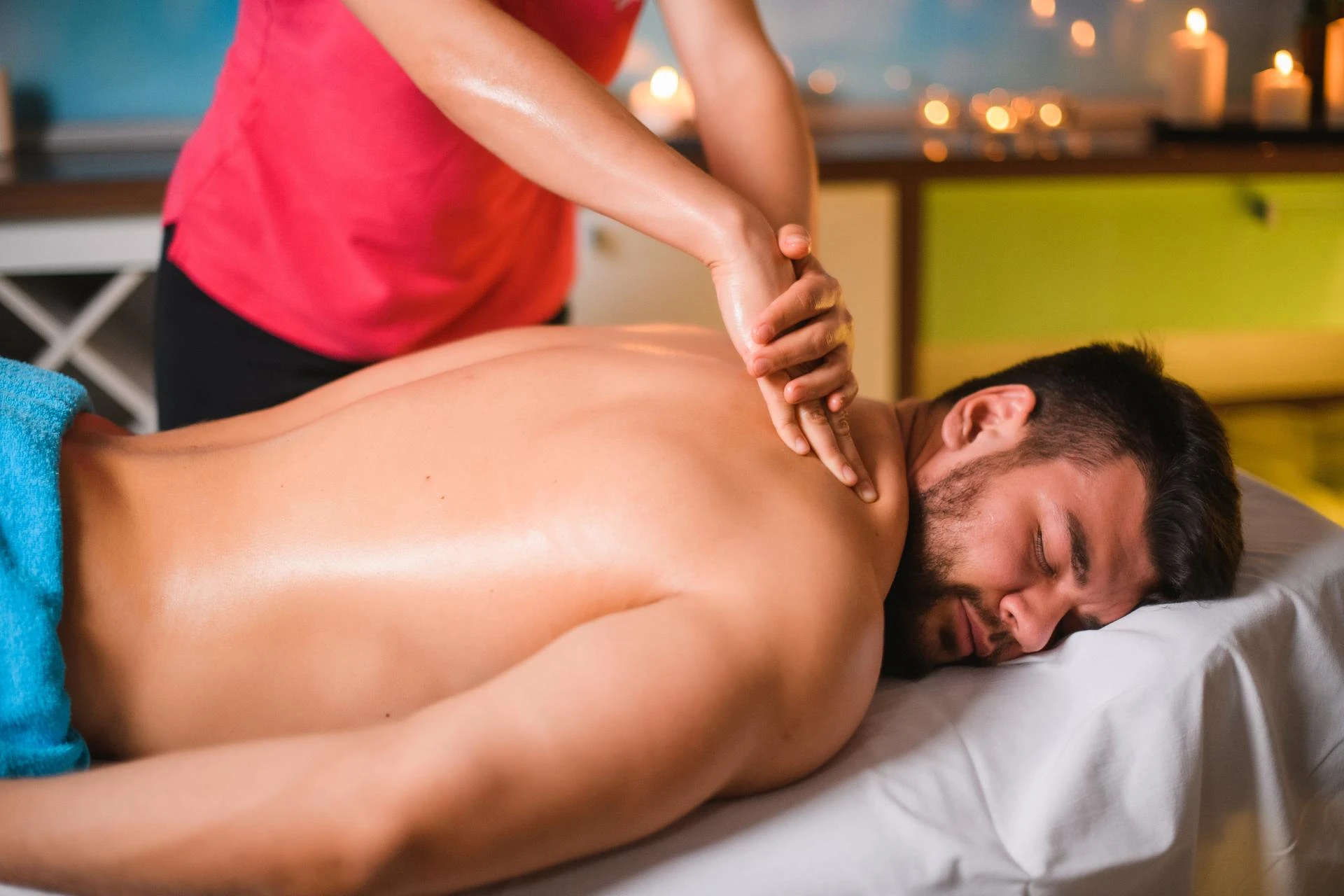

Sport Massage Therapist: Boost Performance & Recovery Fast
Introduction
Are you struggling with sore muscles after workouts or looking to improve your athletic performance? A sport massage therapist can make a significant difference. Many athletes and fitness enthusiasts underestimate the power of targeted muscle therapy. These professionals specialize in keeping your muscles healthy, flexible, and injury-free. By using specific techniques, they not only reduce recovery time but also help prevent injuries and enhance overall athletic performance. Whether you’re a weekend warrior, a professional athlete, or someone who loves staying active, integrating sports massage into your routine can transform the way your body responds to exercise.
Muscle tension, stiffness, and soreness are common issues for anyone engaging in physical activity. Over time, these problems can lead to chronic pain or even injuries. A skilled sport massage therapist addresses these issues proactively. By understanding how muscles work under stress, they can provide treatments that relieve pain, restore mobility, and prepare your body for peak performance. This combination of preventive care and recovery optimization is why more athletes are turning to professional massage therapy.
What Is a Sport Massage Therapist?
A sport massage therapist is a trained professional who focuses specifically on the needs of athletes and active individuals. Unlike a general massage, which often prioritizes relaxation, sports massage targets the muscles most used during physical activity. Their goal is not just temporary relief but long-term muscle health and enhanced performance.
These therapists use advanced techniques such as deep tissue massage, trigger point therapy, and stretching to relieve tension, improve circulation, and increase flexibility. Deep tissue massage, for instance, targets the deeper layers of muscle and connective tissue to release knots and chronic tension. Trigger point therapy focuses on sore spots caused by repetitive movements, helping to reduce pain and improve function. Stretching and mobility work ensures muscles remain flexible and joints maintain proper alignment.
A sport massage therapist also adapts treatments based on your activity level and specific needs. For example, a runner may need focused work on the calves, hamstrings, and lower back, while a swimmer may require more shoulder and upper back care. This personalized approach makes sports massage therapy far more effective than standard massage for active individuals.
Key Benefits of Sports Massage
The benefits of regular sports massage are extensive, affecting both performance and recovery. One of the most noticeable advantages is enhanced performance. By increasing blood flow and flexibility, massage helps your muscles respond more efficiently during activity. Properly prepared muscles are less likely to cramp or fatigue quickly, which can improve endurance and overall athletic output.
Another critical benefit is faster recovery. Intense physical activity produces microtears in muscle fibers, leading to soreness and fatigue. Sports massage helps flush out toxins like lactic acid and stimulates the body’s natural healing processes, reducing downtime and allowing you to train consistently without prolonged discomfort.
Injury prevention is another key advantage. Overused or tight muscles can alter your body mechanics, making you prone to strains, sprains, and other injuries. Regular massage identifies tight areas and muscular imbalances before they become problematic, helping you stay injury-free.
Beyond the physical benefits, massage therapy also provides pain relief and stress reduction. Chronic muscle tension contributes to discomfort and even affects sleep quality. Massage reduces stress hormones, promotes relaxation, and enhances overall mental well-being. This holistic approach supports both body and mind, keeping you focused and energized.
Common Techniques Used by Sport Massage Therapists
Sports massage involves a variety of techniques tailored to your body and activity. Deep tissue massage penetrates deep layers of muscle to release tension and adhesions that can restrict movement. Trigger point therapy targets specific sore spots caused by repetitive movements or overuse, reducing pain and restoring mobility. Myofascial release focuses on the connective tissues surrounding muscles, relieving tension and improving flexibility.
Therapists also provide pre-event and post-event massage. Pre-event massage prepares your muscles, increases circulation, and helps prevent injuries during training or competition. Post-event massage reduces soreness, clears metabolic waste, and accelerates recovery. Additionally, stretching and mobility work are incorporated into sessions to improve joint range of motion and maintain long-term performance.
By using these techniques strategically, a sports massage therapist ensures your body functions at its best. These methods are not random—they are evidence-based and targeted to maximize both recovery and performance.
How to Choose the Right Sport Massage Therapist
Selecting the right therapist can make all the difference in your experience and results. First, check certifications and training. A qualified therapist should have formal education and credentials in sports massage or related disciplines. Their knowledge of anatomy, physiology, and injury management is crucial for safe and effective treatments.
Experience is also important. Look for someone who has worked with athletes in your sport or with similar fitness goals. An experienced therapist understands the unique demands of your activity and can provide precise, tailored treatments.
Personalization matters. The right therapist will design a treatment plan specifically for your body, addressing weak points, tight muscles, and areas prone to strain. Finally, reading client reviews and testimonials can offer insight into the therapist’s approach, effectiveness, and professionalism. Positive feedback often reflects a therapist’s ability to deliver real results consistently.
If you’re in Chicago, I highly recommend Valerie Ray at Goddess Touch Massage. I had the chance to meet her, and her expertise is remarkable. Valerie tailors each session to your needs, whether it’s boosting performance, relieving muscle tension, or aiding recovery. Her approach is professional, yet calming, ensuring that every visit leaves you feeling better and stronger. Working with someone who genuinely understands the body and your goals makes a huge difference in your results.
Tips for Maximizing Benefits
To get the most from sports massage, consistency is key. Schedule sessions regularly rather than waiting until soreness becomes severe. Pair massage with proper hydration and nutrition, as these factors significantly affect muscle recovery and overall performance.
Incorporate warm-up and cool-down exercises around your massage sessions. Preparing your muscles before activity and properly cooling down afterward enhances the benefits of the therapy. Clear communication with your therapist about pain points, goals, and any previous injuries ensures treatments are targeted effectively. By following these tips, you can maximize the performance, recovery, and overall health benefits of your sports massage sessions.
Final Thoughts
A sport massage therapist is more than a luxury—they are an essential part of maintaining peak physical performance and long-term health. Whether you are a professional athlete, weekend warrior, or someone who enjoys staying active, sports massage supports your body’s ability to perform, recover, and remain injury-free. Investing in regular sessions improves flexibility, enhances performance, reduces soreness, and promotes overall well-being.
For those in Chicago, connecting with a skilled therapist like Valerie Ray at Goddess Touch Massage ensures you receive expert care tailored to your needs. By making sports massage a regular part of your fitness routine, you can stay stronger, recover faster, and enjoy a healthier, more resilient body. Prioritize your recovery, and your body will perform at its peak.




























Sign in to leave a comment.