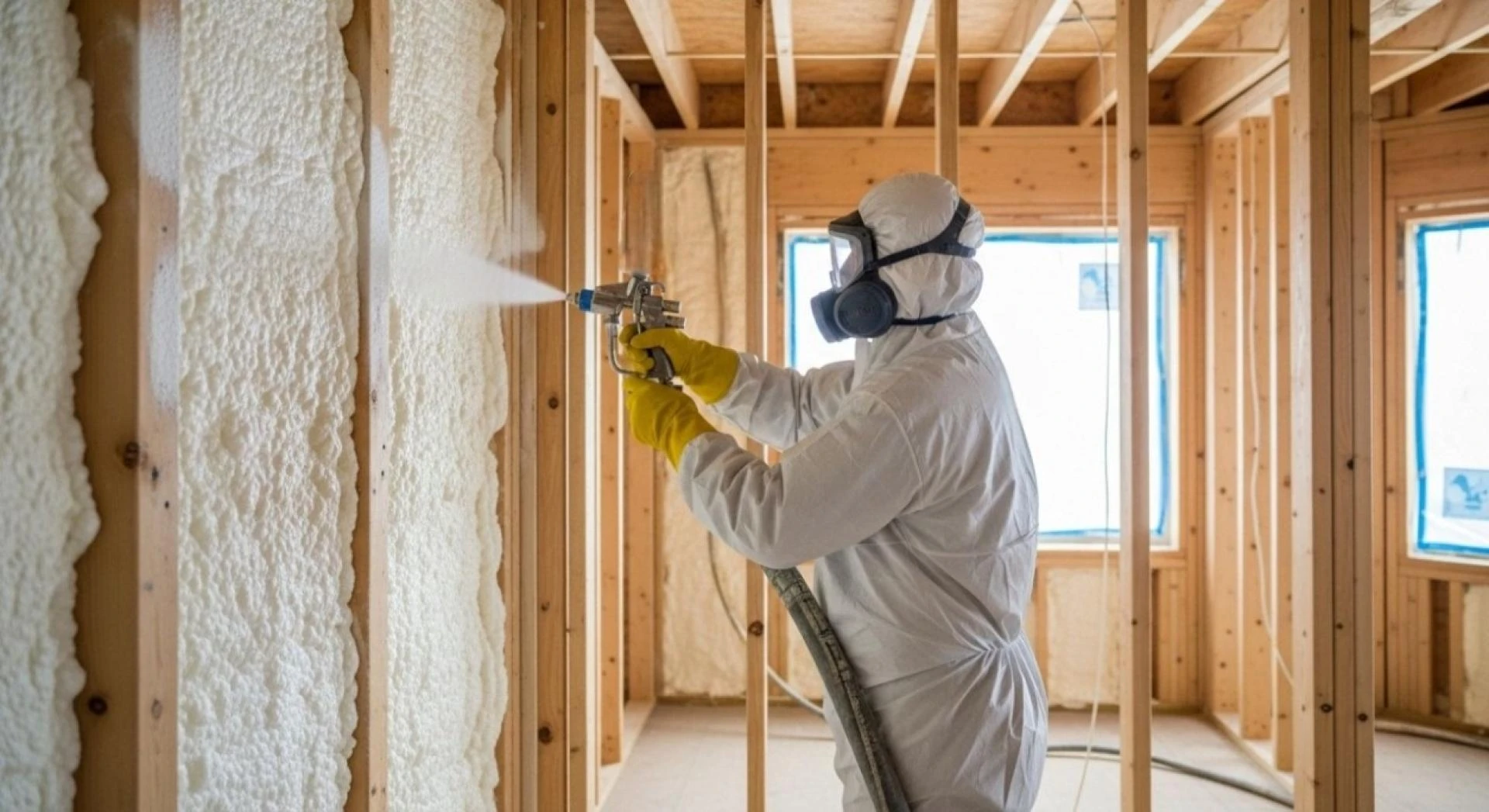

Achieving a comfortable home temperature throughout the year can feel like a constant adjustment of the thermostat. Many homes struggle with rooms that are too hot in the summer and too cold in the winter, no matter how hard the HVAC system works. The reason for this often isn't the heating or cooling system itself, but the insulation's inability to stop air from moving in and out of the house. An expert spray foam insulation provides year-round comfort by creating a superior air seal, which stops this uncontrolled airflow and gives homeowners stable, consistent temperatures in every season.
This article will explain how spray foam works to control a home's climate, from the hottest summer days to the coldest winter nights. The information is drawn from practical, in-field experience, focusing on the real-world results that property owners can expect.
How Air Sealing Creates a Comfortable Home
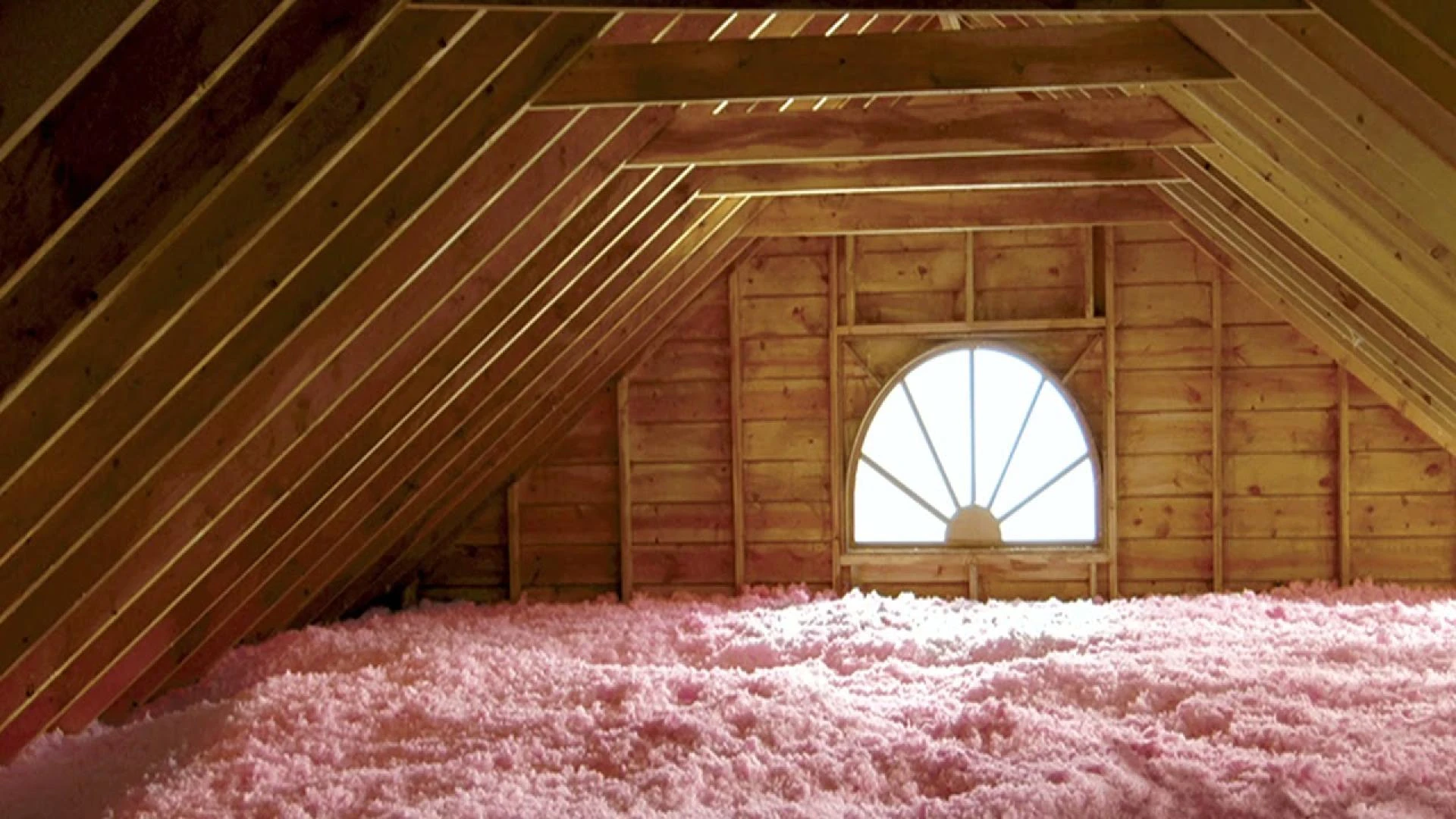
Traditional insulation materials, like fiberglass or cellulose, are designed to slow heat transfer by trapping pockets of air. While this helps, these materials don't stop air from moving through the countless small gaps in a home's construction. This air leakage is a primary cause of discomfort. It allows hot, humid air to infiltrate in the summer and precious heated air to escape in the winter. Some reports suggest that air leakage can account for nearly one-third of a home’s heating and cooling costs.
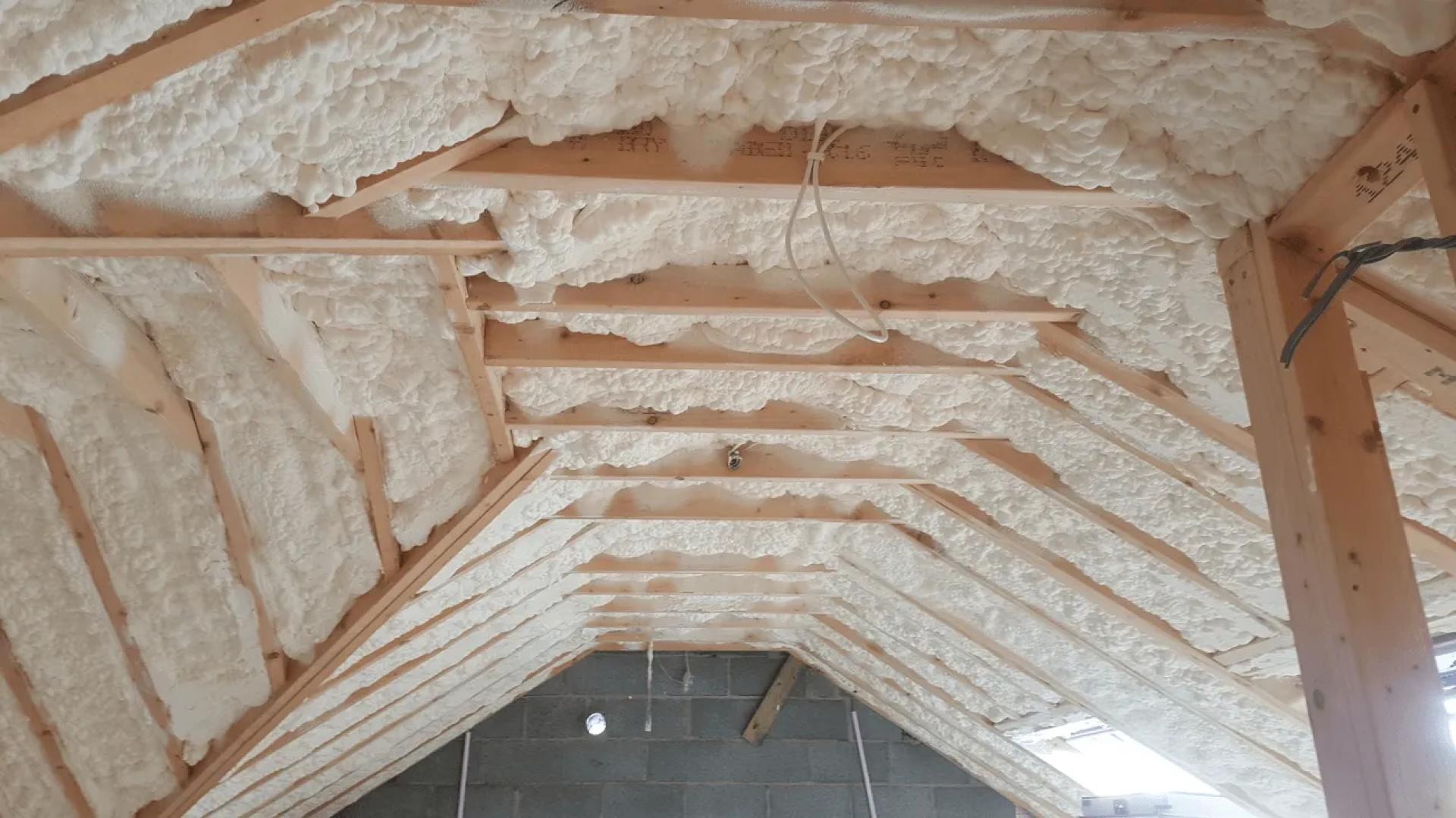
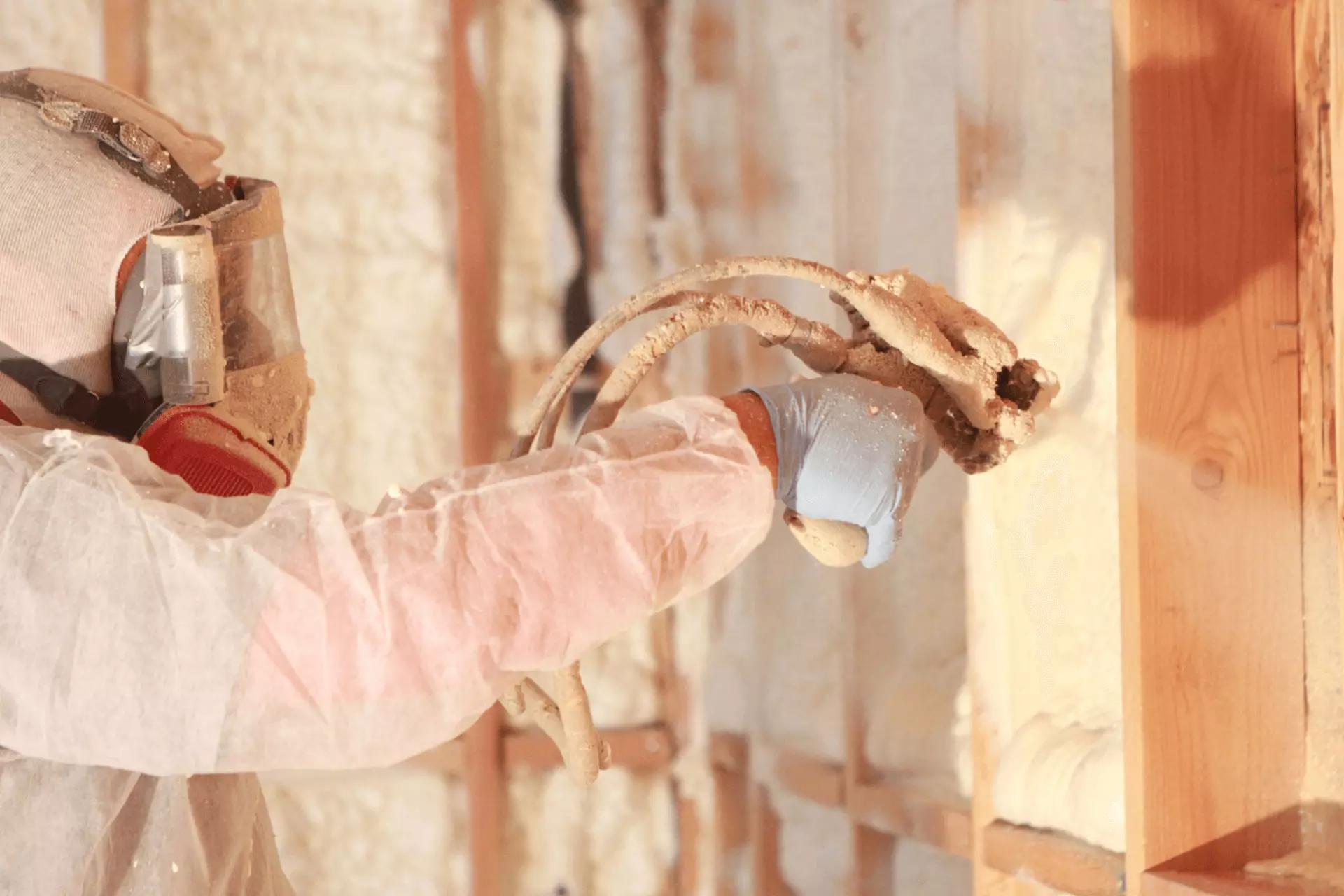
Spray foam insulation addresses this problem directly. It is applied as a liquid that expands to fill every crack and crevice, creating a single, continuous air barrier. This "building envelope" approach gives a homeowner direct control over their indoor environment. By preventing uncontrolled air exchange, spray foam stabilizes the indoor temperature and humidity levels, making the home feel comfortable regardless of the weather outside.
Tackling the Extremes of Summer and Winter
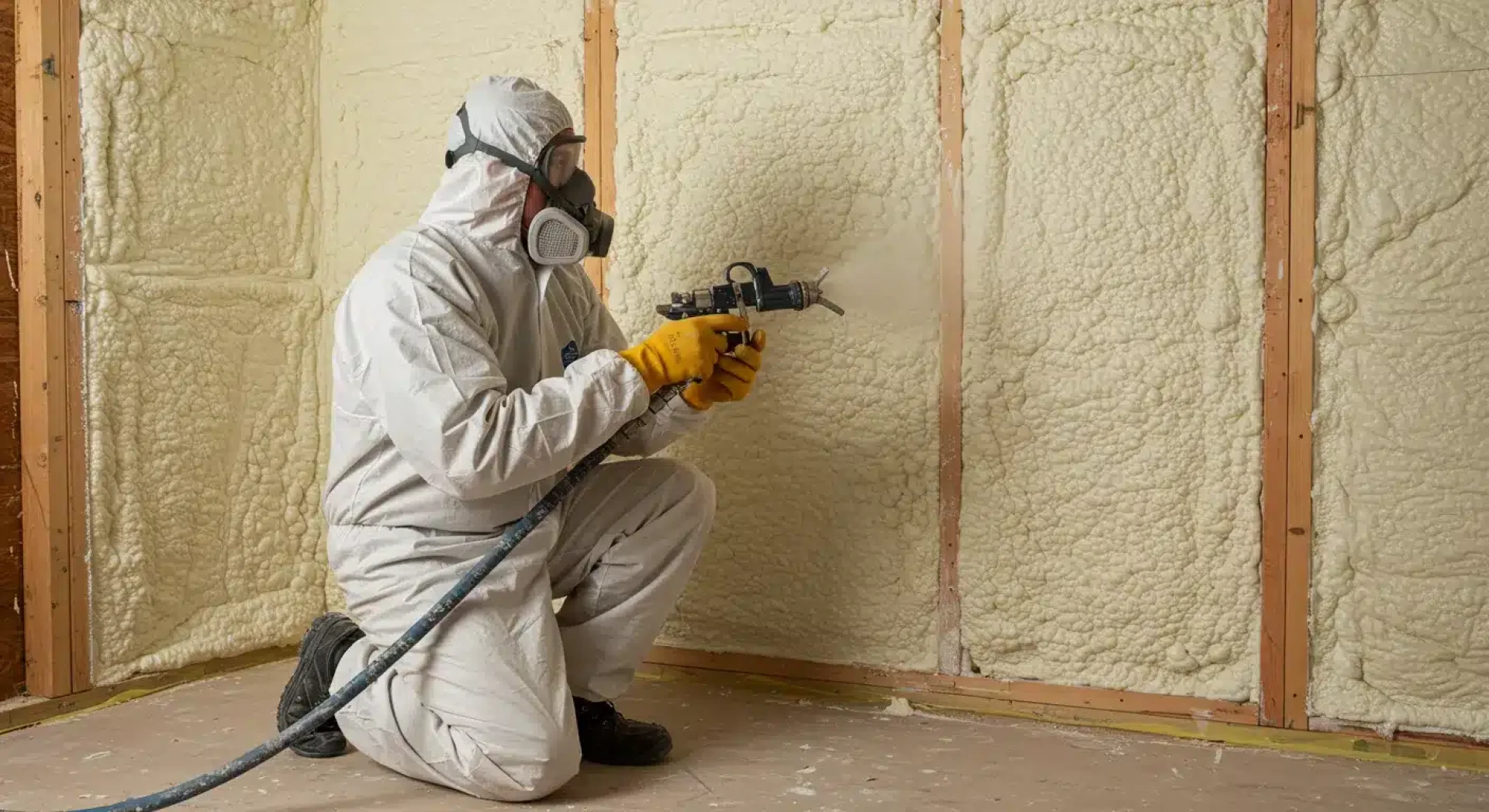
Spray foam's effectiveness comes from its ability to perform in both hot and cold conditions.
Keeping Cool During Summer Heat
In hot climates, the biggest challenge is radiant heat coming through the roof. An attic can easily reach temperatures of 150°F or more on a sunny day, radiating that heat down into the living spaces below. This forces the air conditioner to run constantly just to keep up.
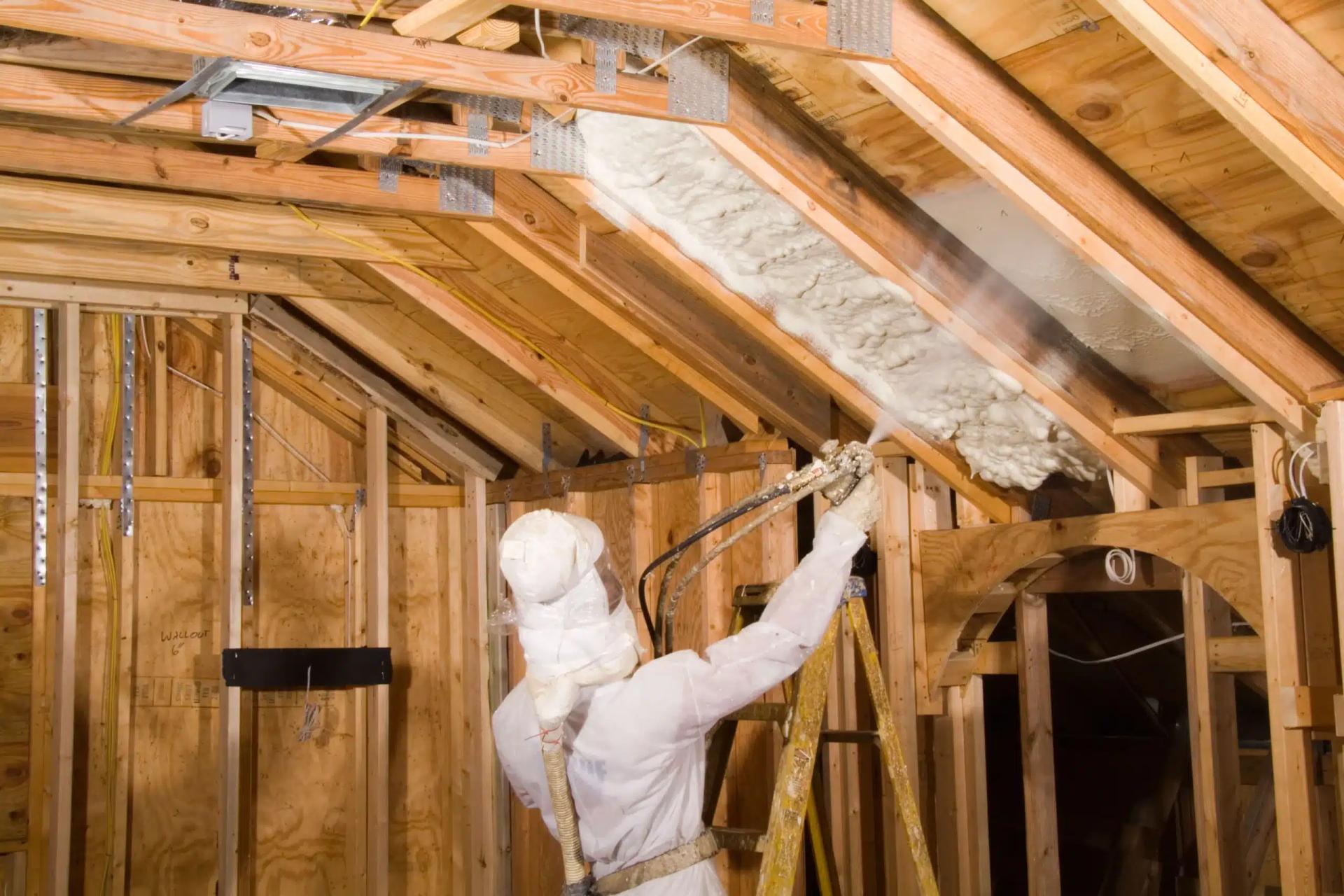
When spray foam is applied directly to the underside of the roof deck, it creates an unvented or "sealed" attic. This moves the home's thermal boundary from the attic floor to the roofline itself. The attic space then stays much closer to the temperature of the house, often only 5-10 degrees warmer, instead of 50 degrees hotter. This dramatically reduces the amount of heat entering the home, leading to a much cooler and more comfortable living environment.
Staying Warm in the Winter
During colder months, comfort is all about preventing heat loss. Warm air naturally rises and will escape through any available gaps in the attic. At the same time, cold air is pulled into the home through cracks in the foundation and walls, creating chilly drafts.
The air seal created by spray foam stops both of these problems. It prevents warm air from leaking out through the ceiling and blocks cold drafts from entering through the lower levels of the house, like the rim joist area where the foundation meets the wood framing. The result is a home that holds its heat for much longer, with fewer cold spots and a cozier feel.
The Right Foam for Consistent Performance
There are two main types of spray foam, and the best choice depends on the specific goals and location within the home.
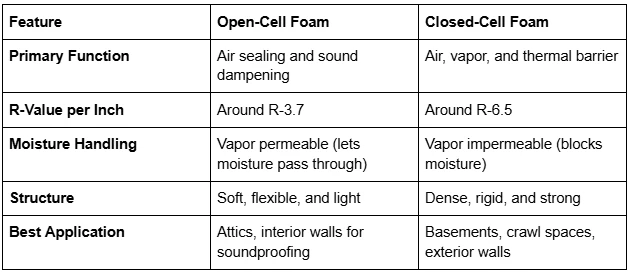
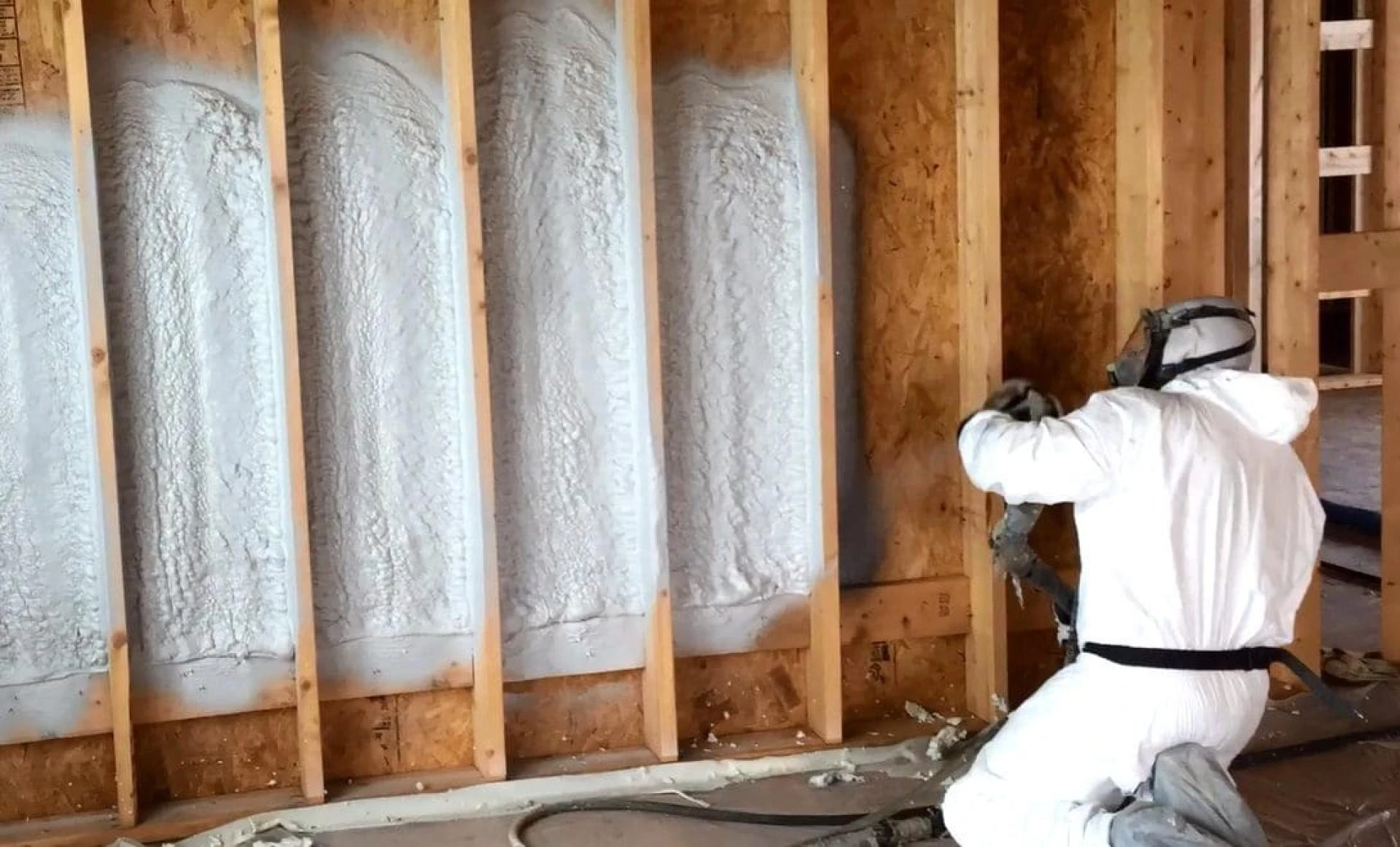
This distinction is especially important in areas prone to moisture. For example, in a home with a damp crawl space, installing closed-cell spray foam on the walls not only insulates but also creates a moisture barrier. This helps control humidity levels throughout the entire house, which improves both comfort and indoor air quality year-round.
Things to Consider Before Making a Decision
Spray foam is a high-performance material, but there are a few key things to understand before choosing it for a home.
The Critical Role of the Installer
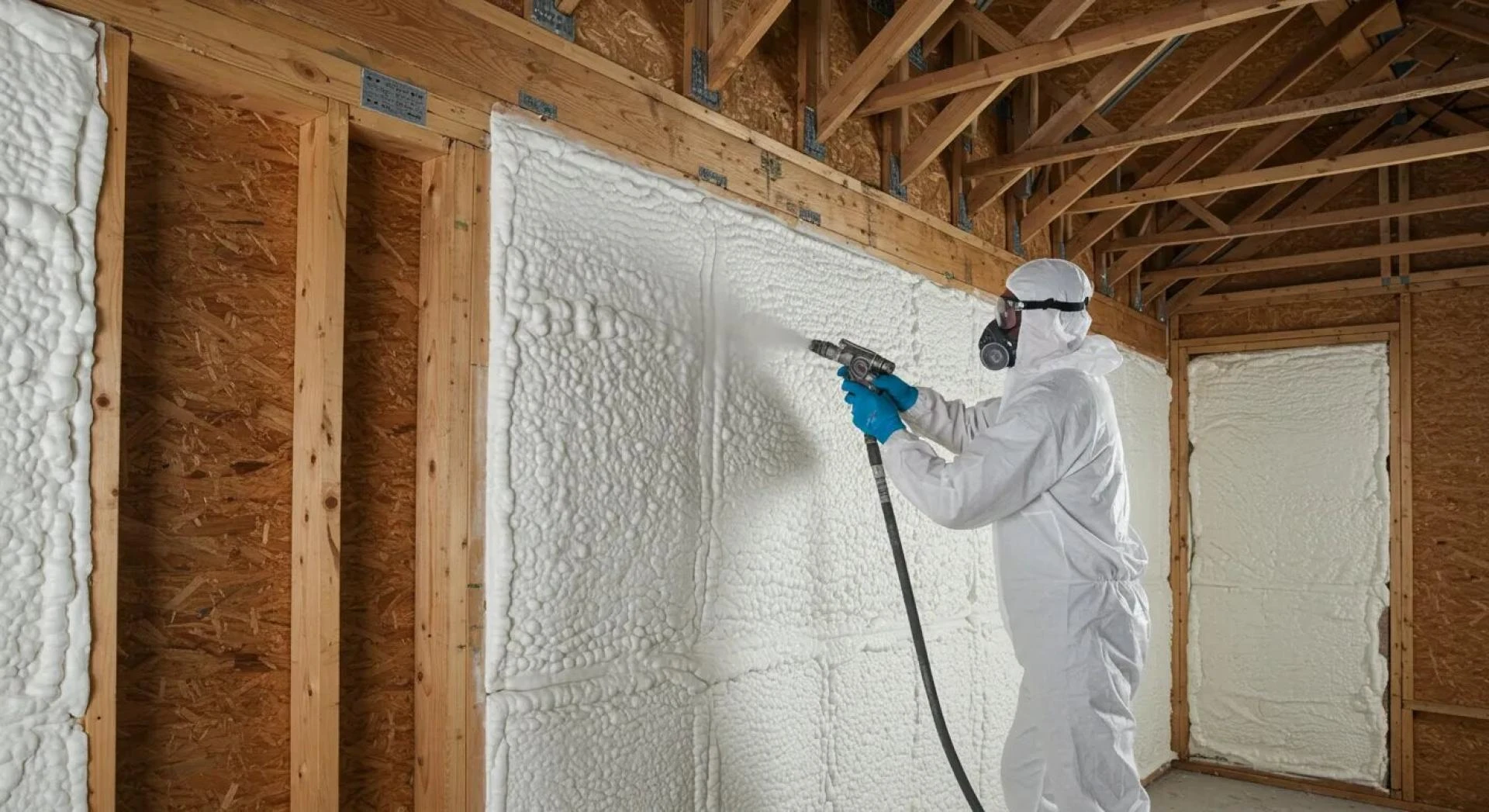
The final performance of spray foam insulation is 100% dependent on the quality of the installation. This is not a do-it-yourself project. It requires expensive, specialized equipment to heat and proportion the two chemical components correctly. An experienced, professional installer is necessary to ensure a safe and effective application that delivers the promised comfort and energy savings.
Upfront Cost vs. Long-Term Value
Spray foam typically has a higher initial cost than other insulation types. However, it's an investment that pays back over time through lower utility bills and a significant increase in home comfort. Unlike some home improvements that are purely aesthetic, spray foam is a functional upgrade that improves the daily living experience.
Bonus Tip: Before deciding on insulation, consider getting a home energy audit. An audit can use tools like a blower door test to identify the exact locations of the biggest air leaks, helping you target the areas that will provide the most benefit.
Common Questions About Year-Round Comfort
Does spray foam still provide benefits in a mild climate?
Yes. Even in areas without extreme temperatures, spray foam helps manage humidity and maintains a more stable indoor temperature. It prevents the house from getting stuffy on a humid day or chilly on a cool night, reducing the need to constantly run the HVAC system.
Can spray foam be installed in an existing home?
Absolutely. While it's easiest to install during new construction, it's very common to retrofit existing homes. The most popular retrofit application is in attics, where old insulation is removed and spray foam is applied to the roof deck. It can also be injected into existing walls in some situations.
Will spray foam make my home too tight?
A tight home is an energy-efficient home. Modern building practices focus on creating a tight building envelope and then providing fresh air through a controlled mechanical ventilation system. An insulation professional can evaluate your home and advise if any changes to your ventilation are needed.
How does spray foam affect the resale value of a home?
A home that is well-insulated and energy-efficient is very attractive to potential buyers. The promise of lower utility bills and improved comfort is a strong selling point that can increase a home's market value.
Can I just add more of my current insulation instead?
You can, but simply piling more fiberglass or cellulose on top of existing insulation won't stop air leakage. This is the main source of energy loss and discomfort. Spray foam is the only common insulation type that effectively addresses both heat transfer and air leakage in a single product.
A Final Word on Year-Round Comfort
Spray foam insulation offers a comprehensive solution for homeowners who want a consistently comfortable living space. By creating a robust air seal, it effectively separates the indoor environment from the outdoor weather, whether it’s a scorching summer day or a freezing winter night. It's a permanent upgrade that addresses the root causes of discomfort and pays dividends in both energy savings and quality of life for years to come.
Getting an Expert Opinion for Your Home
For homeowners ready to learn how spray foam can improve their property's comfort, a professional consultation is the best next step. For those in the Fresno area, the specialists at Supreme Spray Foam-Fresno offer detailed evaluations for property owners. They are available to discuss specific project needs by phone at (559) 545-0800 or by email at [email protected].
Reviewer: Emma Robinson contributed her knowledge from 8 years working with the spray foam industry. Her review helped shape this content with ideas grounded in what contractors and homeowners actually value.


























Sign in to leave a comment.