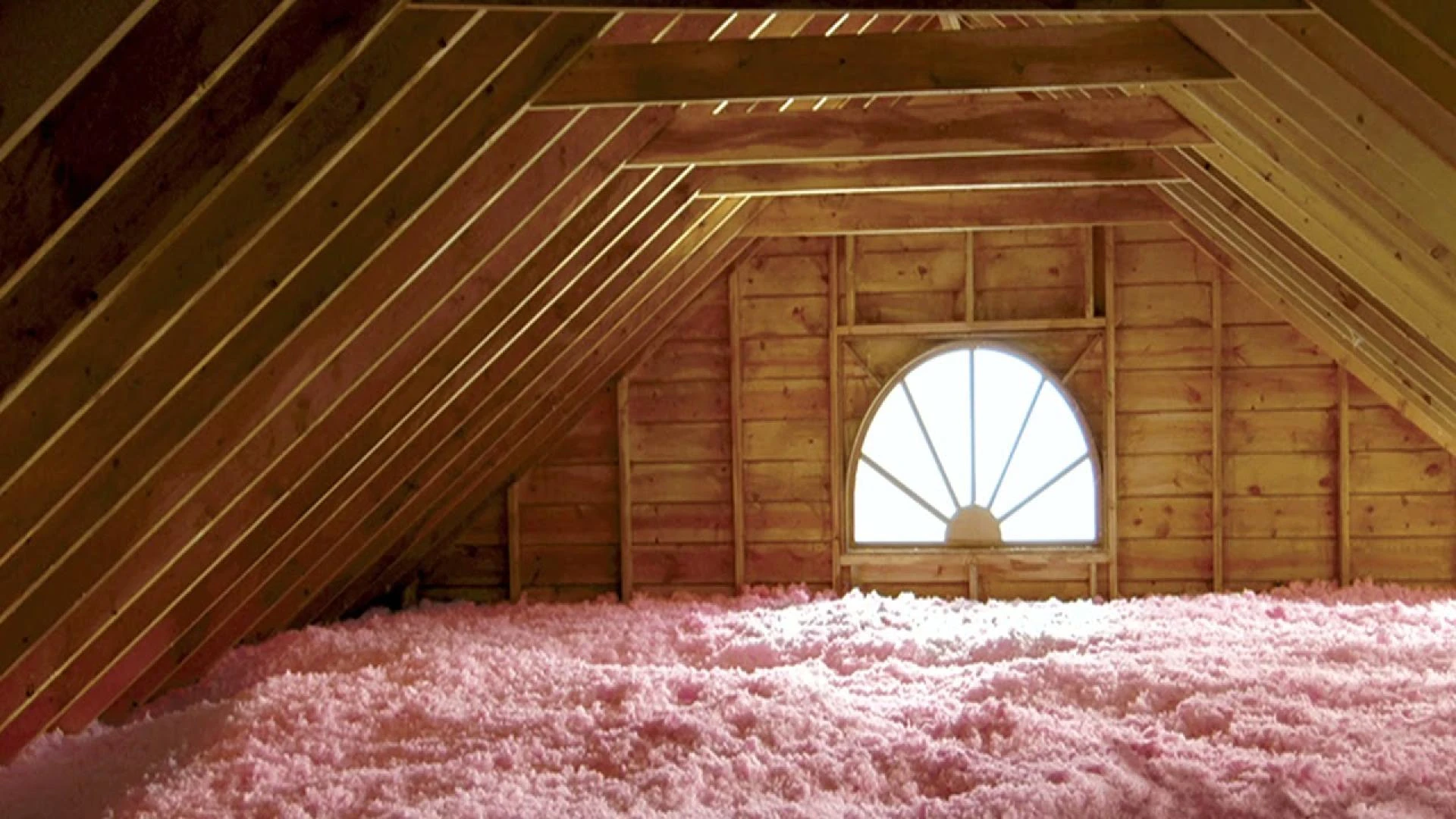

Attic insulation has a surprisingly direct effect on home humidity levels, primarily by controlling surface temperatures and preventing condensation. When an attic is poorly insulated, the ceiling below it becomes a cold surface during the winter. Warm, moist air from inside the house rises and hits this cold ceiling, causing water vapor to condense into liquid, much like a cold glass of iced tea on a summer day. This process can lead to dampness, mold growth, and a feeling of high humidity within the home.
Conversely, a properly insulated and air-sealed attic keeps the ceiling surface warm, close to the room's air temperature, which stops this condensation cycle before it starts. This article, based on extensive knowledge from the building science field, will explore these often-overlooked connections, showing how a professional attic insulation strategy is a key part of managing a home's overall moisture balance.
The Condensation Connection on Your Ceiling
The most common way poor attic insulation impacts humidity is by creating the perfect conditions for condensation. Every home has a certain amount of moisture in the air from daily activities like cooking, showering, and even breathing. This isn't usually a problem, unless that warm, moist air finds a cold surface.
A poorly insulated attic allows the cold winter air to make the drywall ceiling of the rooms below it cold. When the indoor air, which holds a certain amount of water vapor, touches this cold surface, the air temperature drops. Colder air can't hold as much moisture, so the vapor is forced to turn into liquid water droplets. This is called reaching the "dew point." Homeowners might notice this as damp spots on the ceiling, peeling paint, or even visible mold growth in corners. Essentially, a poorly insulated attic turns your ceiling into a giant, inefficient dehumidifier that deposits water right where you don't want it.
Air Leakage: A Hidden Moisture Highway
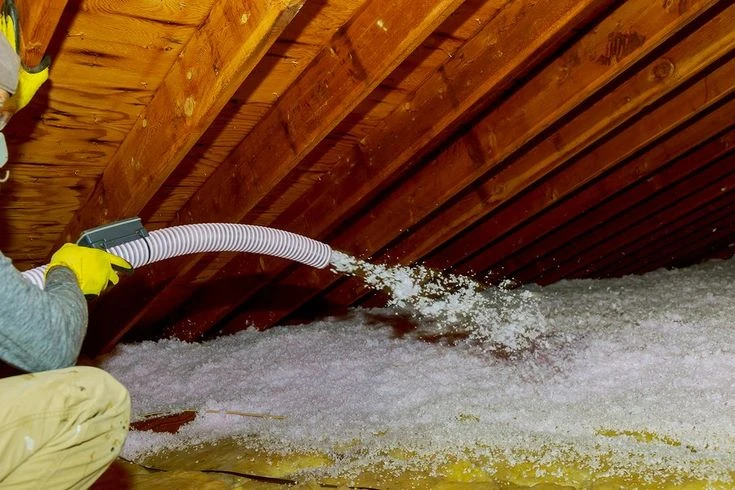
Another surprising factor is the role of air leaks between the living space and the attic. Many homeowners don't realize that their attic is not hermetically sealed from the rest of the house. There are often dozens of small gaps and cracks around light fixtures, plumbing pipes, the attic hatch, and especially bathroom exhaust fans. If these fans terminate in the attic instead of venting directly outside, they become a major source of moisture problems.
Warm air is buoyant, so it naturally rises. This is known as the "stack effect." This rising air carries moisture with it. If the attic floor is not properly air-sealed, this moist air flows directly into the attic. In the winter, this warm, moist air hits the cold underside of the roof sheathing and can cause condensation, frost, and eventually mold or wood rot in the attic structure. A thorough insulation job always starts with meticulously air sealing these leaks, which stops this moisture migration at its source.
How Insulation Material Choice Impacts Moisture
Not all insulation materials handle moisture in the same way. The type of insulation in an attic can either help manage humidity or make a potential problem worse.
Comparing Insulation's Response to Moisture
This table shows how different insulation types react when exposed to moisture, a critical factor in managing humidity and preventing mold.
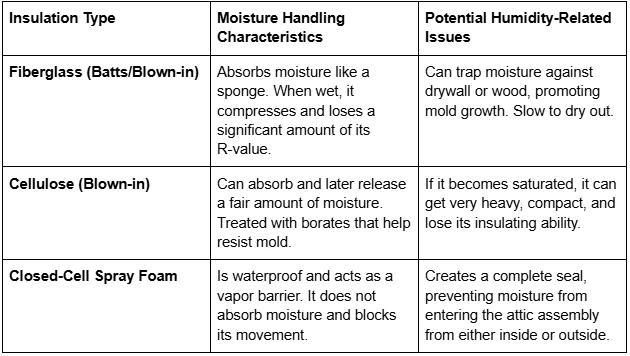
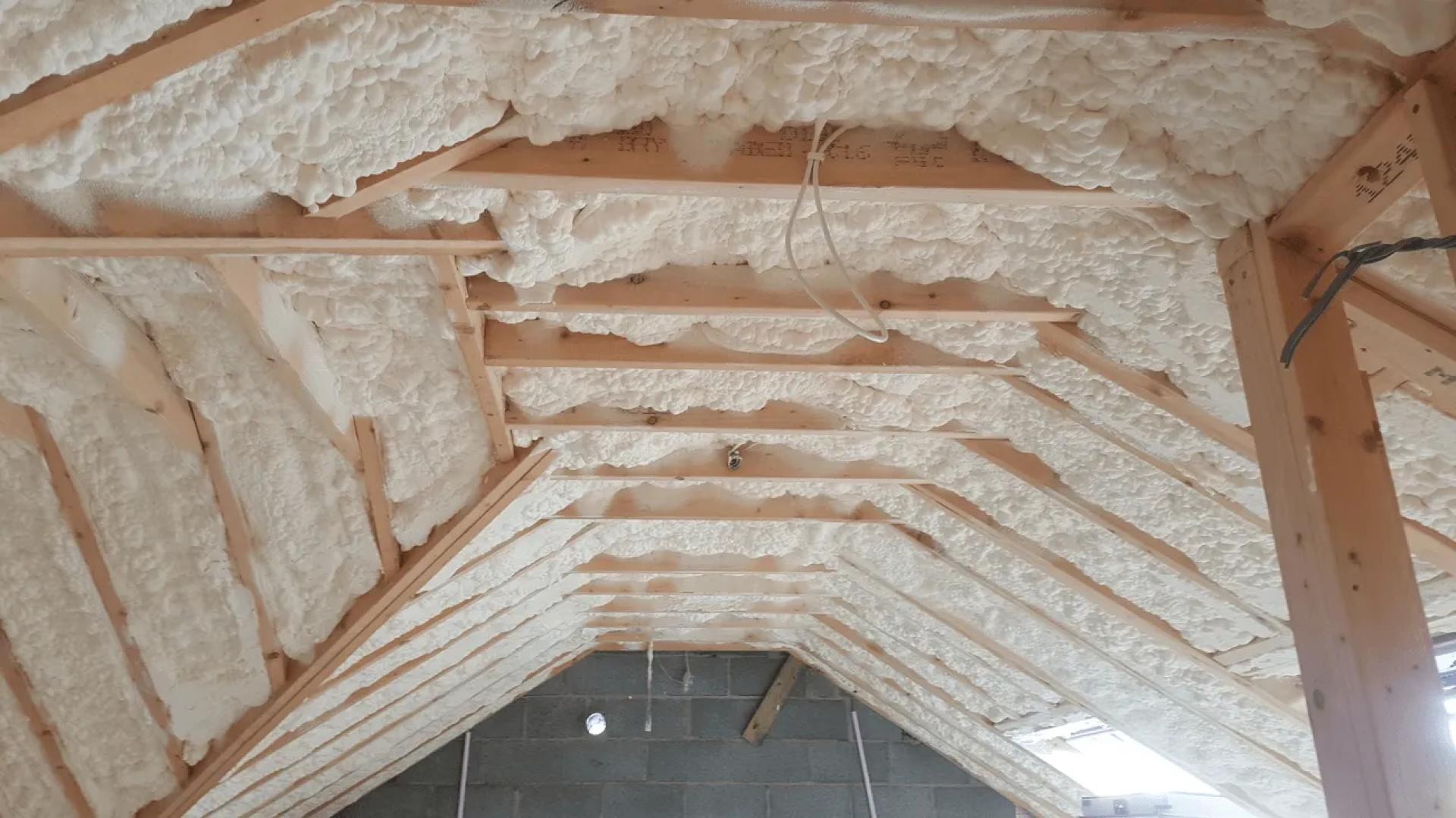
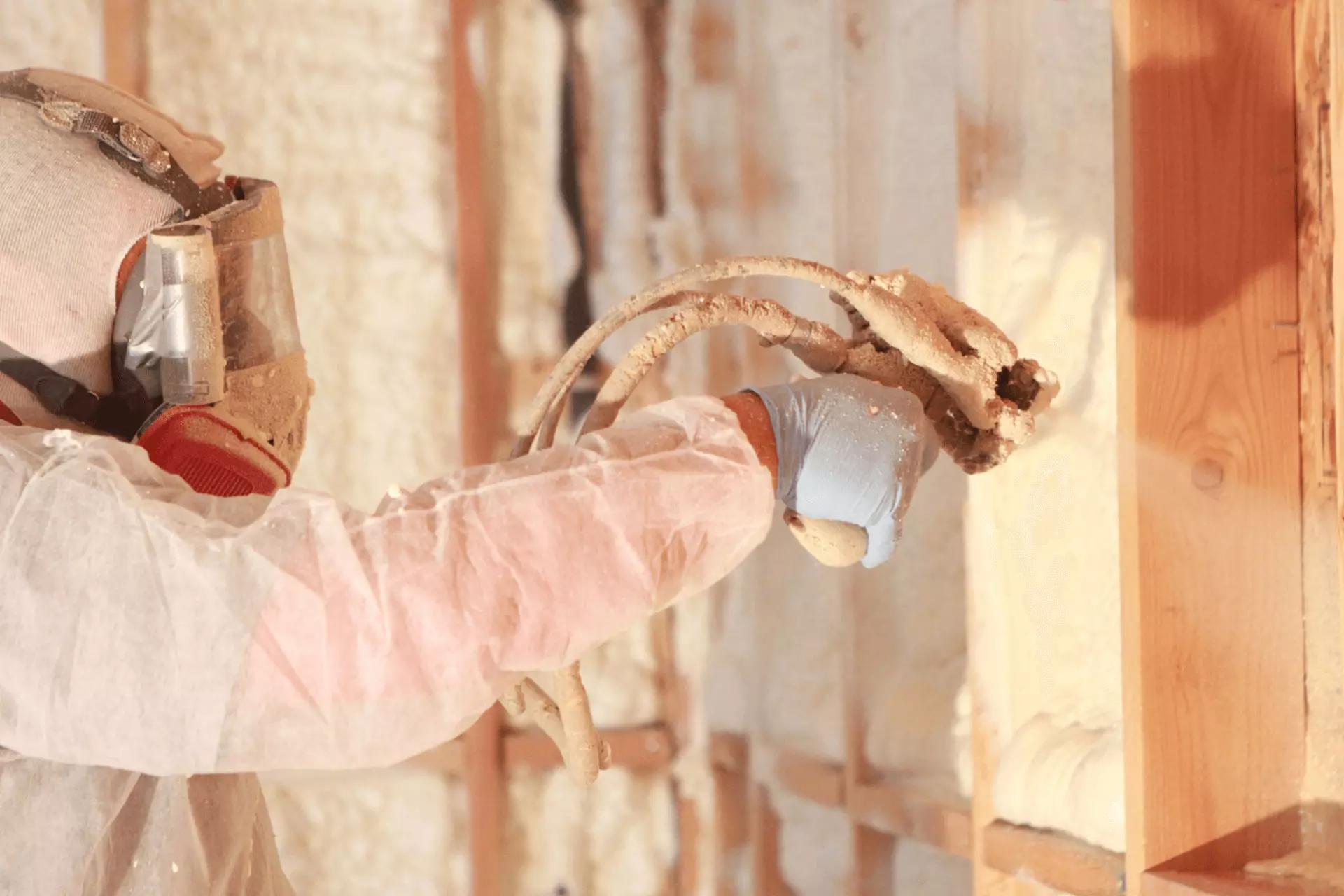
Choosing an expert insulation contractor that actively resists moisture, like closed-cell spray foam, is one of the most effective ways to support long-term humidity control.
The Link Between Insulation and Your HVAC System
Proper attic insulation also has an interesting relationship with a home's heating and cooling system, which is the primary tool for mechanical dehumidification. While proper insulation is a net positive, it's important to understand how it changes the demands on your HVAC system.
In the summer, an air conditioner cools the air and removes humidity as part of its normal operating cycle. A well-insulated attic reduces the heat load on the house, meaning the AC doesn't have to run as long or as often to maintain the set temperature. While this saves a lot of energy, there's a potential side effect. If an HVAC system is oversized for a newly insulated, more efficient home, it can lead to short-cycling. The unit will cool the air down very quickly and then shut off. These short run times may not be long enough for the system to effectively remove humidity, leaving the air feeling cool but clammy.
Bonus Tip: After a major insulation upgrade, it's a good idea to have an HVAC professional evaluate the system to ensure it's "right-sized" for the home's new, lower energy demand.
Things to Consider Before Your Attic Project
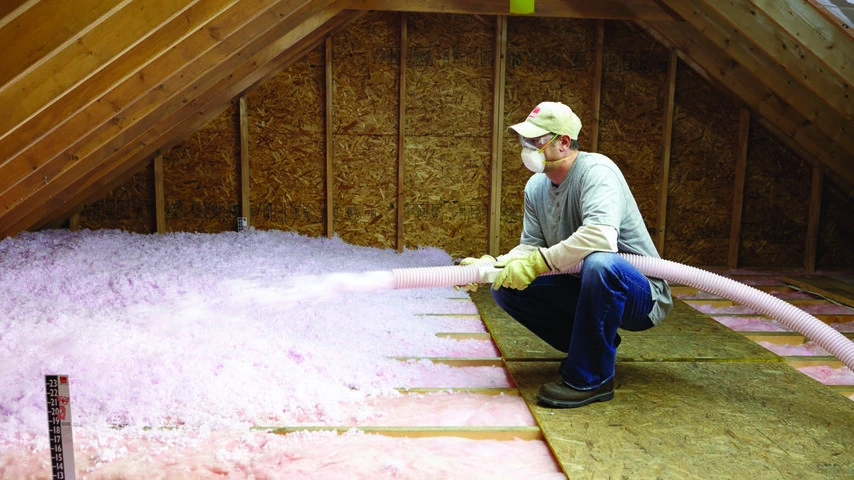
Before starting an attic insulation project, homeowners should think about these points to ensure the job effectively addresses humidity. Based on these principles, here are the key priorities to discuss with a professional before beginning any work.
- Don't Insulate Without Air Sealing: Simply adding more insulation on top of a leaky attic floor can trap moisture and hide problems. Insist that any contractor you hire performs thorough air sealing first.
- Check Your Ventilation: Proper attic ventilation (usually a balance of soffit and ridge vents) is designed to flush out any moisture that does get into the attic. A contractor should check that vents are clear and functioning.
- Think of the Attic as a System: The insulation, air barrier, and ventilation all need to work together. A change to one part of the system affects the others. A qualified specialist will be able to explain how their plan addresses the entire system.
Questions People Ask About Attic Humidity
Can adding insulation to my attic get rid of a musty smell in my house?
It often can. Musty smells are usually a sign of mold or mildew, which is caused by excess moisture. By stopping condensation and managing moisture flow, a proper attic insulation and air sealing job can eliminate the conditions that cause these odors.
My attic has frost on the nails in the winter. Is this a humidity problem?
Yes, that is a classic sign of too much moisture in the attic. The frost is formed when warm, humid air from your living space leaks into the cold attic and condenses on the coldest surfaces, which are the metal roofing nails. This indicates a need for better air sealing.
Does a dehumidifier solve the same problem?
A dehumidifier removes moisture from the air inside your house, which can help, but it doesn't solve the root cause. It's a bandage fix. Proper insulation and air sealing prevent the condensation problem from happening in the first place, which is a much more permanent and energy-efficient solution.
Can attic insulation make my summer humidity worse?
It shouldn't. By reducing the heat gain from the attic, it helps the AC run more efficiently. As long as the system is sized correctly and not short-cycling, it should improve summer comfort and humidity control.
What is the ideal humidity level for a home?
Most experts recommend keeping indoor humidity between 30% and 50%. This range is comfortable for people, helps preserve wooden furniture and floors, and discourages the growth of mold and dust mites.
Getting a Professional Moisture Assessment
Understanding how your attic is affecting your home's humidity requires a professional eye. An experienced insulation contractor can perform an inspection to find air leaks, check for signs of condensation, and assess the condition of the existing insulation. This provides a clear roadmap for a solution that will create a more comfortable, healthy, and energy-efficient home.
The team at Supreme Spray Foam-Fresno offers comprehensive attic assessments. They can be reached by email at [email protected] or by phone at (559) 545-0800 to schedule a consultation.
Reviewer: Emma Robinson contributed her knowledge from 8 years working with the spray foam industry. Her review helped shape this content with ideas grounded in what contractors and homeowners actually value.


























Sign in to leave a comment.