A plumbing system is often a "set it and forget it" feature of modern life. We expect water to flow when we turn on the tap and waste to disappear when we flush the toilet. However, plumbing components are under constant pressure and subject to wear and tear. When a failure occurs, it rarely happens at a convenient time. Whether it is a burst pipe on a Tuesday morning or a sewer backup on a Saturday night, a plumbing crisis requires immediate attention to prevent structural damage and mold growth.
At OutToday | Heating, Plumbing, Electrical, & Air, we believe that education is the first line of defense. Knowing how to react to emergency plumbing issues can save you thousands of dollars in restoration costs. While some repairs are simple enough for a homeowner to manage, emergency situations usually involve high volumes of water or hazardous waste, making professional intervention a necessity rather than an option.
Defining the Scope of a Plumbing Emergency
Not every leaky faucet is an emergency, though every leak should eventually be fixed. A true emergency is defined by the potential for immediate damage or a threat to the safety of the occupants. For instance, a burst pipe is a clear emergency because it can flood a room in minutes, ruining flooring, drywall, and electrical systems. Similarly, a clogged main sewer line is a crisis because it prevents any water from leaving the home and can cause raw sewage to back up into bathtubs and sinks.
Other emergencies might be less dramatic but equally urgent. A failed water heater can leak gallons of hot water into your garage or basement, while a gas line leak associated with a water heater poses an immediate fire and inhalation risk. If you are ever in doubt about whether a situation qualifies as an emergency, it is always safer to call a professional for a consultation rather than waiting and risking further damage.
Immediate Actions to Take
The moments directly following the discovery of a leak are critical. Your first priority is to stop the flow of water. Locate your main water shut-off valve—usually found near the water meter or where the main line enters the house—and turn it off completely. This depressurizes the system and stops the flood at the source.
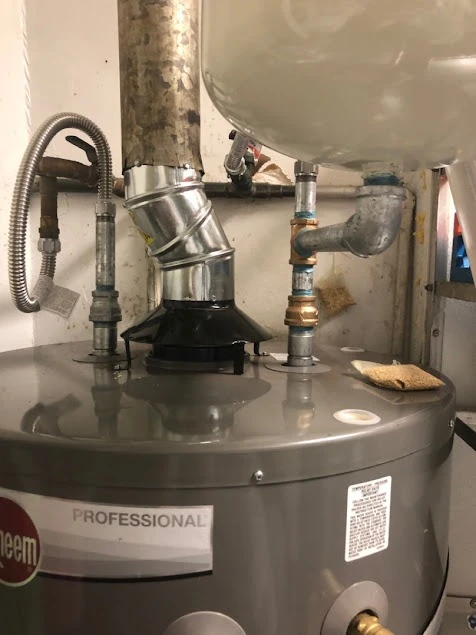
Once the water is off, address your appliances. If you have a water heater, turn off the power at the breaker or turn the gas valve to the "off" position. Running a water heater without a water supply can cause the heating elements to burn out or the tank to overheat. Finally, open the lowest faucets in your home to drain the remaining water out of the pipes and into the drainage system rather than onto your floors.
The Value of Professional Emergency Services
When you are facing an urgent plumbing issue, the temptation to find a quick fix online can be strong. However, emergency plumbing requires specialized tools and a deep understanding of building codes and hydraulic pressure. Professional plumbers provide a level of security that a DIY repair simply cannot match.
Experienced technicians use advanced diagnostic tools like thermal imaging and acoustic leak detectors. These allow them to pinpoint the exact location of a problem behind a wall or under a concrete slab without unnecessary demolition. By targeting the repair, professionals save you time and reduce the overall cost of the project.
Benefits of Calling an Expert
- 24/7 Availability: Emergencies don't follow a schedule. Professional services ensure that you have access to help during nights, weekends, and holidays.
- Advanced Tooling: From high-speed drain cleaners to pipe-freezing kits that allow for repairs without draining the entire system, professionals have equipment that isn't available at the local hardware store.
- Liability and Insurance: Licensed plumbers carry insurance that protects your property. If a DIY repair goes wrong, you may be responsible for the added damage; if a professional handles it, you are covered.
- Root Cause Analysis: A professional doesn't just fix the leak; they find out why it happened. Whether it was high water pressure or a manufacturing defect, they provide solutions to prevent a recurrence.
- Health and Safety: Dealing with Category 3 water (sewage) requires specific protective gear and sanitization protocols to ensure your home is safe for your family after the repair is complete.
Common Triggers for Urgent Plumbing Calls
Understanding the common causes of plumbing failures can help you stay alert for early warning signs. In many homes, the culprit is hidden. For example, tree roots are a leading cause of main sewer line backups. Roots are naturally drawn to the moisture and nutrients in sewer pipes; they can enter through tiny cracks and grow until they completely obstruct the flow, leading to a sudden and messy backup.
Temperature fluctuations are another major factor. In the winter, water inside pipes can freeze and expand. Even a small crack caused by ice can result in a massive flood once the pipe thaws and the water pressure returns. In the summer, increased water usage for landscaping and pools can put a strain on older valves and fittings, causing them to fail under the increased demand.
The Danger of Chemical Cleaners
Many homeowners reach for bottled chemical drain cleaners when they notice a slow drain. While these might provide a temporary fix, they are often the cause of future emergencies. These chemicals are highly corrosive and generate heat as they work. Over time, they can weaken the walls of PVC and metal pipes, leading to thin spots that eventually burst. Mechanical cleaning by a professional is always the safer and more effective alternative.
Proactive Maintenance: Your Best Defense
The best way to handle a plumbing emergency is to prevent it from happening in the first place. Regular maintenance is an investment in the longevity of your home. This includes annual inspections of your water heater, checking the pressure-relief valves, and inspecting exposed pipes for signs of "pitting" or green oxidation, which indicates a slow, hidden leak.
You should also be aware of the "lifespan" of your plumbing components. Most water heaters last between 8 and 12 years, while supply lines for washing machines should be replaced every 5 years. By replacing these items on a schedule, you eliminate the risk of an unexpected failure.
Smart Home Technology
For added protection, many homeowners are now installing smart leak detectors. These devices are placed near water-using appliances and can detect even a few drops of moisture. Some advanced models are integrated with an automatic shut-off valve that cuts the main water supply the moment a leak is detected, providing 24/7 protection even when you are away from home.
Partnering with the Right Service Provider
In a crisis, you need a partner who is fast, reliable, and transparent. At OutToday | Heating, Plumbing, Electrical, & Air, we understand that your home is your sanctuary. We specialize in rapid-response plumbing services designed to stabilize your home and provide lasting repairs. Our team is trained to handle the most complex emergencies with a focus on clear communication and professional integrity.
We believe in solving the immediate problem while keeping an eye on the health of your entire system. When we arrive at your door, our goal is to minimize the disruption to your life and restore your home to a safe, functional state as quickly as possible.






















Sign in to leave a comment.