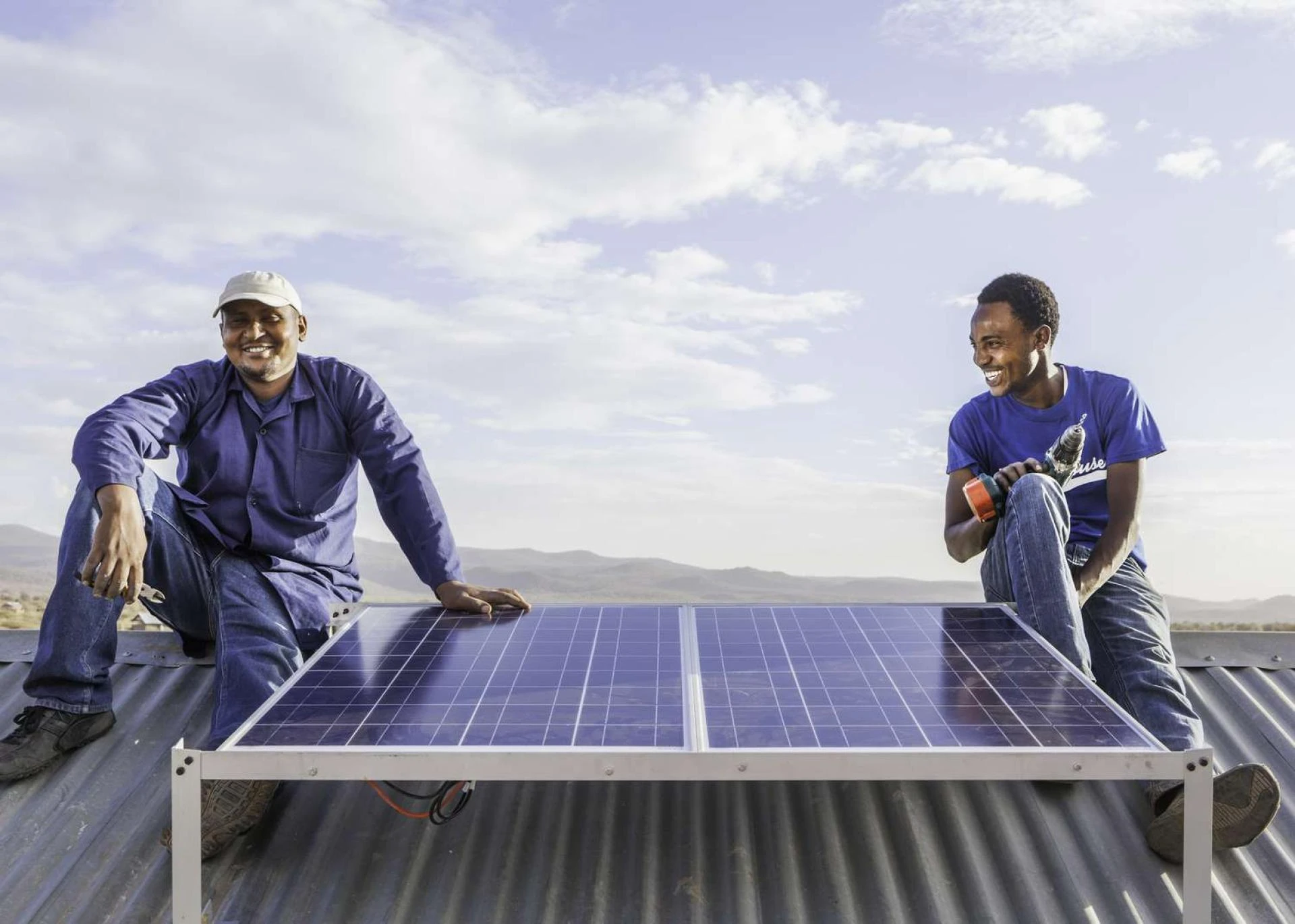

Switching to solar energy is one of the most effective ways for companies to reduce operational costs and meet sustainability goals. But adopting a solar panel for business isn't just about installing panels on your roof. It requires careful planning and evaluation to ensure the investment delivers real value.
This guide offers a step-by-step approach to evaluating solar energy and solar panel for business solutions, helping you make an informed decision with confidence.
Why Consider Solar Energy for Your Business?
Before we dive into the steps, it’s important to understand why solar matters:
- Cost savings: Solar reduces energy bills and shields you from price volatility.
- Sustainability: Improves your environmental footprint and appeals to eco-conscious customers.
- Brand reputation: Demonstrates corporate responsibility and leadership.
- Incentives: Government grants, tax credits, and rebates can reduce upfront costs.
Assess Your Business's Energy Needs
Analyse Your Current Energy Consumption
Start with a detailed review of your energy bills over the past 12–24 months. Look for:
- Total kWh consumed monthly
- Peak usage times
- Seasonal variations
- Demand charges
This analysis helps size the solar system correctly and estimate potential savings.
Identify Future Energy Changes
Consider planned changes that might impact energy use, such as:
- Facility expansion
- New equipment
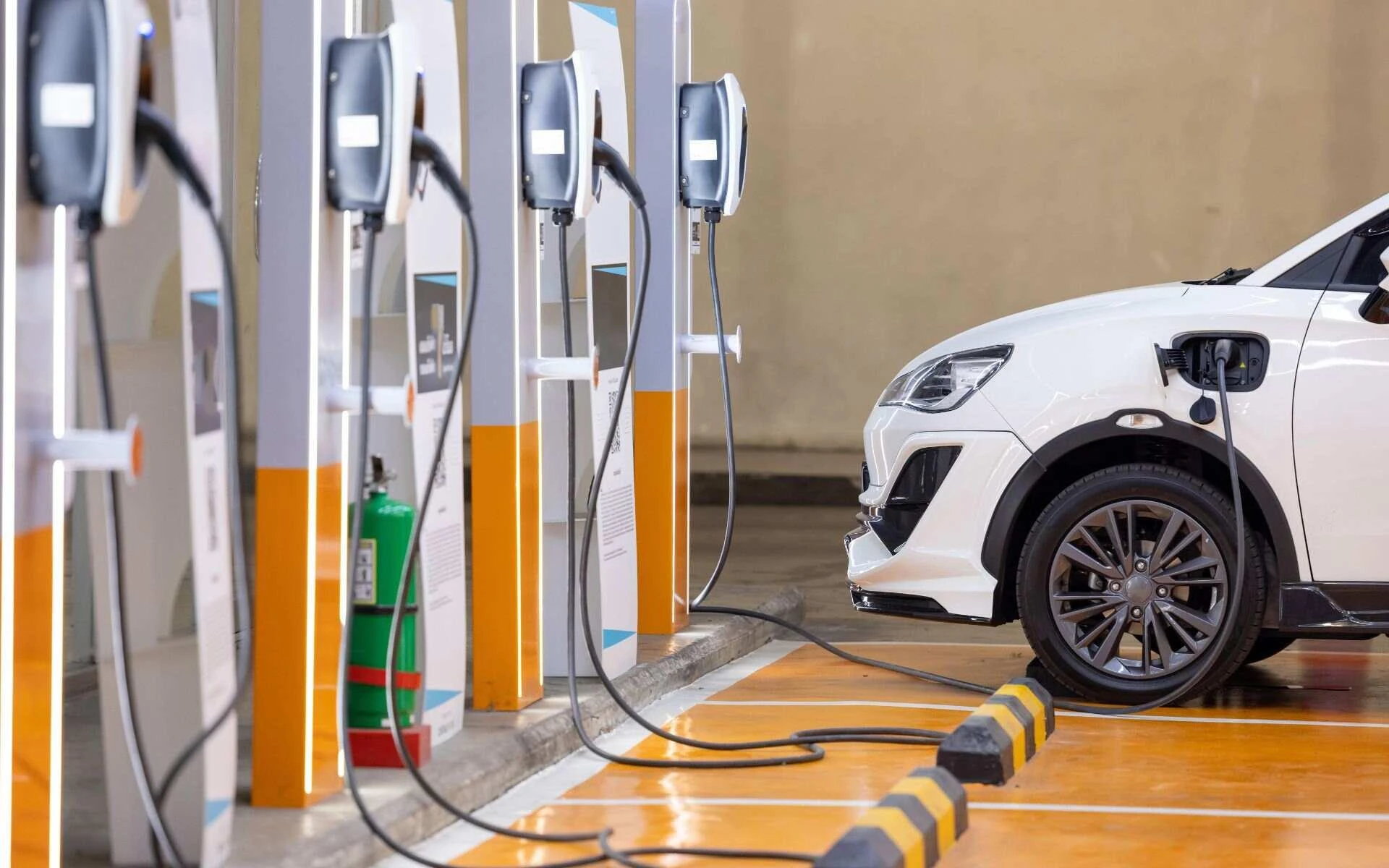
- Shift to electric vehicles
Evaluate Your Site’s Solar Potential
Roof and Property Assessment
Solar production depends on location. Assess:
- Roof condition and age: Can it support panels for 25+ years?
- Orientation and tilt: South-facing roofs in the Northern Hemisphere generally work best.
- Shading: Trees, nearby buildings, and rooftop equipment may reduce output.
Ground or Carport Options
If roof space is limited, consider ground-mounted systems or solar carports.
Understand Financial Considerations
Calculate Upfront and Lifetime Costs
Get a clear picture of costs:
- Equipment and installation
- Permitting and interconnection
- Maintenance over the system’s life
Explore Financing Options
Solar panels for business can be funded through:
- Cash purchase: Maximises savings and ownership benefits
- Loans: Spread costs over time
- Leases or PPAs (Power Purchase Agreements): Low or no upfront cost
Research Incentives
Investigate available incentives:
- Federal or regional tax credits
- Utility rebates
- Renewable energy certificates
These incentives can significantly reduce net costs.
Estimate Savings and ROI
Modelling Expected Output
Work with a reputable installer to model energy production. Consider:
- Sun hours in your region
- System degradation over time
- Utility rate changes
Calculate Payback Period and ROI
Key metrics include:
- Payback period (years to recoup investment)
- Net Present Value (NPV) of savings
- Internal Rate of Return (IRR)
A good installer should provide these analyses for you.
Evaluate Solar Providers Carefully
Research and Compare Installers
Look for providers with:
- Proven commercial experience
- Strong warranties (typically 25 years on panels)
- Transparent pricing
- Positive client references
Review Proposals Thoroughly
Evaluate multiple bids based on:
- System design
- Project timeline
- Equipment quality
- Financing options
Plan for Operations and Maintenance
Maintenance Needs
While solar panels are low-maintenance, you’ll still need to plan for:
- Periodic cleaning
- Inverter checks or replacements
- Monitoring system performance
Monitoring and Reporting
Consider systems that offer real-time monitoring so you can track production and quickly identify issues.
Get Approvals and Permits
Utility Interconnection
You’ll need permission to connect to the grid. Requirements vary by region but typically involve:
- Application fees
- Grid impact studies
- Meter upgrades
Building Permits
Local building authorities may require structural, electrical, or zoning approvals.
Implement the Project
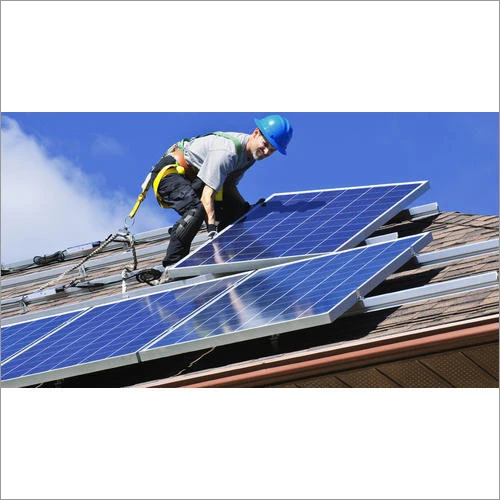
Installation Timeline
A typical commercial solar installation can take:
- 1–3 months for permitting and design
- 1–4 weeks for installation
Staff Communication
Inform employees about the project and its benefits. Consider integrating your sustainability commitment into marketing materials.
Review Post-Installation Performance
Commissioning and Inspection
After installation, systems are tested and inspected to ensure they meet standards.
Monitor Savings and Production
Use monitoring tools to track:
- Actual vs. projected production
- Savings on utility bills
- System health and alerts
Solar Panels for Business: Making the Right Choice
Evaluating solar panels for business requires careful planning, financial modelling, and choosing the right partner. With a clear strategy, your company can lower costs, reduce carbon emissions, and enhance your brand reputation.
FAQs
1. How long does it take to install solar panels for business?
The process typically takes 2–6 months from initial assessment to final commissioning. Permitting can be the longest step, while physical installation usually takes just a few weeks.
2. Are there financing options for solar panels for business?
Yes! Businesses can choose cash purchases, loans, leases, or Power Purchase Agreements (PPAs). Each option affects ownership, savings, and tax benefits differently.
3. How much can my business save with solar panels?
Savings depend on energy usage, local rates, system size, and incentives. Many businesses achieve payback in 4–8 years and see decades of reduced energy bills.
Conclusion
Investing in solar energy is a strategic move that can deliver significant long-term benefits for your business. By following this step-by-step guide, you can evaluate solar energy solutions confidently and ensure your project delivers real value.
Ready to explore solar panels for your business? Contact Green Integrations Inc. today for a free consultation and see how we can help you power a sustainable future.






























Sign in to leave a comment.