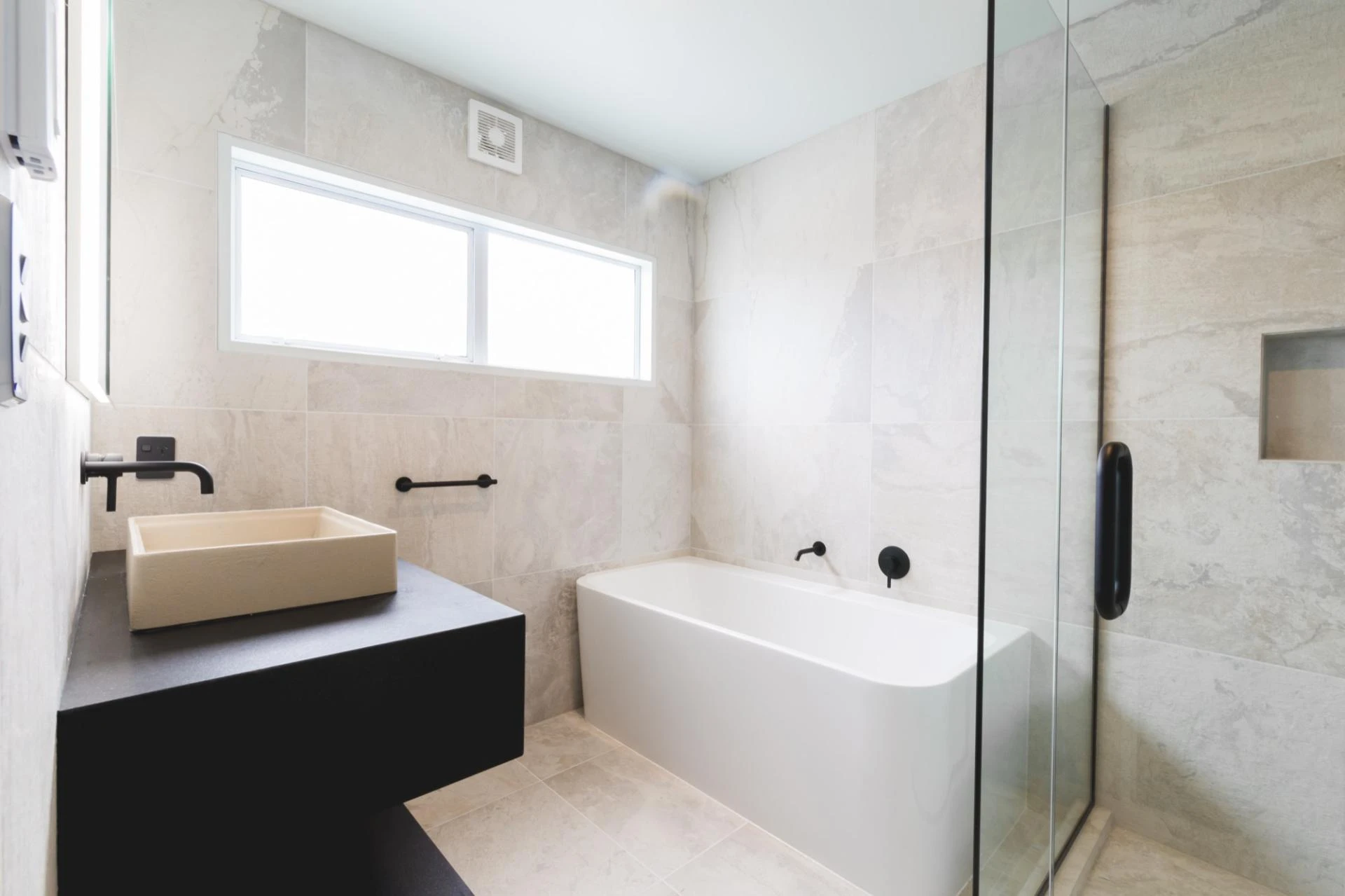

Your bathroom isn’t just a practical space—it’s a personal retreat that sets the tone for your mornings and helps you unwind at night. In fact, a survey by the National Kitchen & Bath Association found that 68% of homeowners remodel bathrooms to improve comfort and relaxation. A well-designed bathroom also boosts property value, often delivering one of the highest returns on investment.
But transforming your vision into reality can feel overwhelming without the right guidance. That’s where bathroom renovation specialists come in. With professional expertise, they help you avoid costly mistakes, streamline planning, and create a design that works for both your lifestyle and budget.
This step-by-step guide takes you through the process of planning your dream bathroom with a pro—from setting goals to final finishes—so you can approach your renovation with clarity and confidence.
Section 1: Set Your Goals and Budget
 Assess Your Needs and Vision
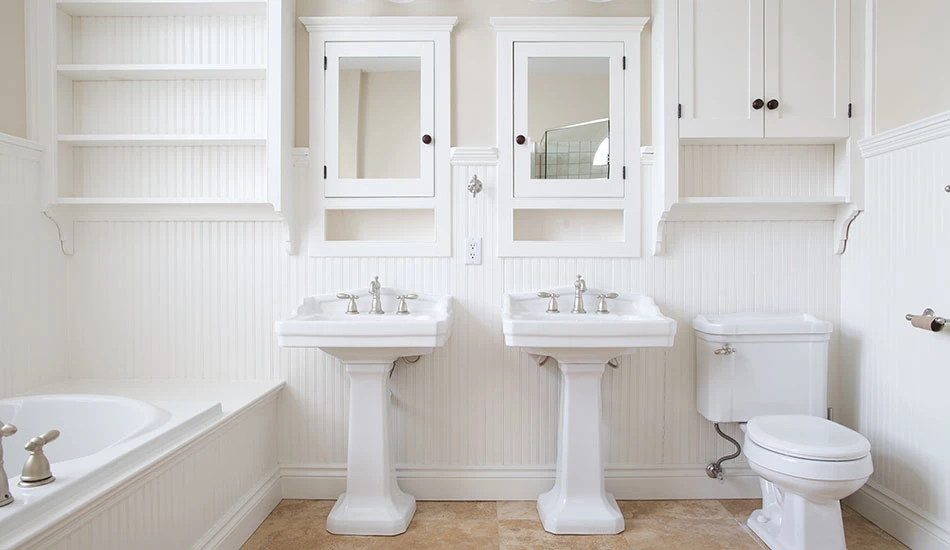
Every great project begins with understanding what you truly want. Is your priority a spa-like retreat with a soaking tub, or a functional family-friendly bathroom with smart storage? Consider your household habits.
For example, one couple in Seattle opted for a rain shower to help them unwind after long workdays, while a busy family of four focused on dual sinks to avoid morning chaos. Listing your must-haves helps a bathroom renovation specialist translate your ideas into a practical design.
Create a Realistic Budget
Money matters can quickly derail a remodel if you’re not prepared. Industry experts, including HomeAdvisor, recommend allocating 5–10% of your home’s value for a bathroom renovation cost.
Factor in:
- Materials (tiles, fixtures, lighting)
- Labour and installation
- Hidden costs such as plumbing or electrical upgrades
Pro tip: Add a 20% buffer for surprises. As designer Lisa Chen explains, “Budgets keep projects on track and help clients focus on priorities.”
Checkout Bathroom Renovation Costs here.
Choose the Right Specialist
Bathroom renovation specialists bring invaluable experience to the table. When selecting one:
- Review portfolios to ensure their style aligns with your vision.
- Ask about timelines, warranties, and recent projects.
- Verify licensing and insurance to protect your home.
- Read reviews on trusted platforms like Angi or Houzz.
Actionable step: Schedule consultations with at least three specialists to compare ideas and estimates before committing.
Section 2: Design and Layout Planning
 Measure and Sketch the Space
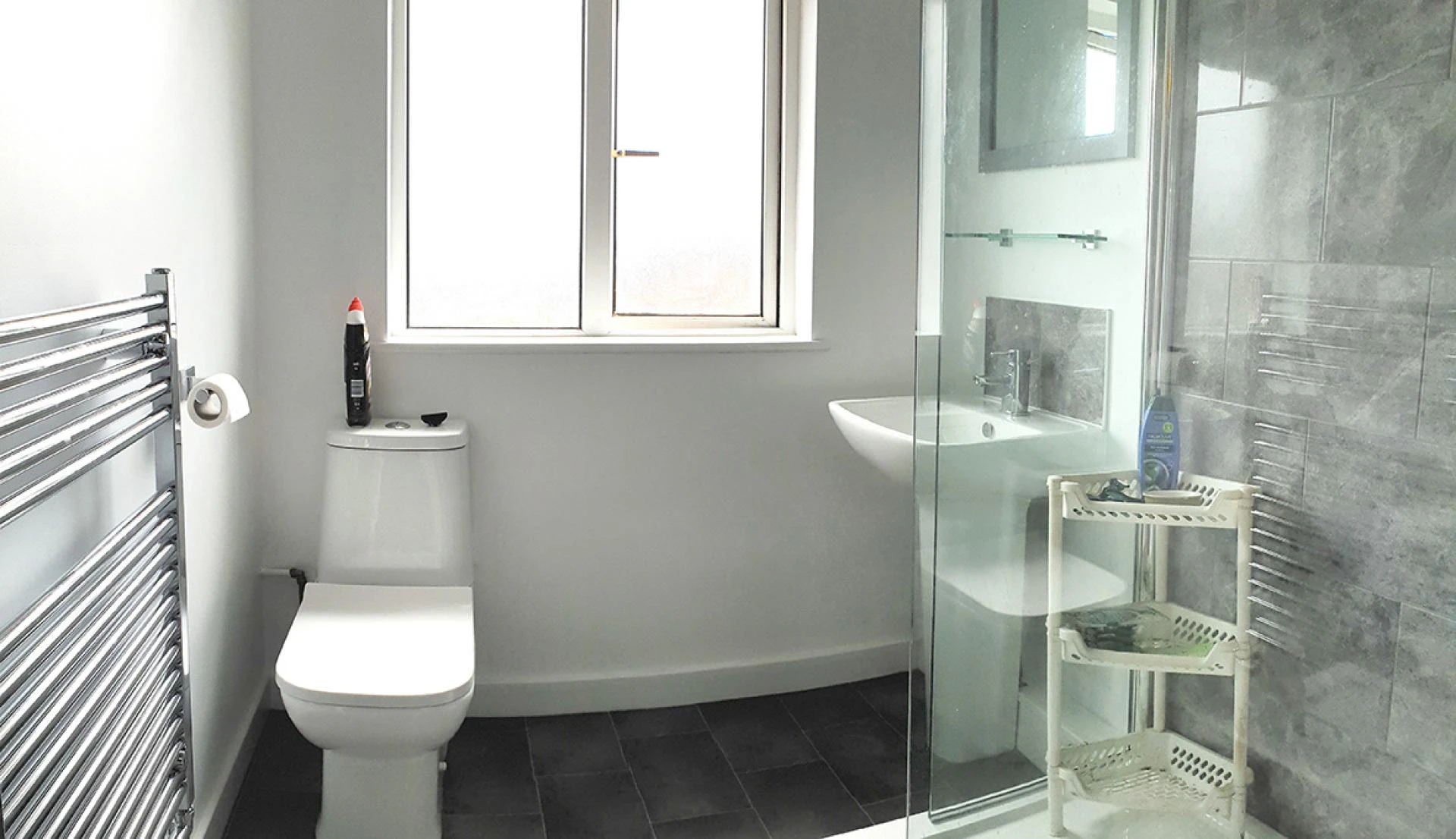
Accurate measurements are the foundation of a successful remodel. Work with your specialist to map out existing plumbing and electrical points, windows, and wall dimensions.
Take inspiration from a Chicago family who transformed a cramped, outdated bathroom into an airy, spa-inspired layout. By rethinking placement, they gained 20% more usable space without expanding the footprint.
Select Materials and Fixtures
Choosing materials is about balancing durability, style, and budget. Porcelain tiles, for example, can last up to 50 years and resist moisture—a smart choice for long-term value. Slip-resistant flooring enhances safety, particularly for families or older homeowners.
As architect Mark Ruiz notes, “Investing in quality materials pays off over time because they require less maintenance and replacement.”
Incorporate Smart Features
Modern bathroom renovation companies increasingly integrate technology and eco-friendly features. These upgrades not only enhance comfort but also save money:
- Touchless faucets – reduce water waste by up to 30% (EPA data).
- Heated flooring – offers luxury while improving energy efficiency.
- Voice-controlled lighting – adds convenience and ambiance.
- Built-in storage – keeps counters clutter-free.
Collaborating with a specialist ensures these features are integrated seamlessly into your design.
Section 3: Permits and Prep Work
 Navigate Permits and Codes
Plumbing, electrical, and structural changes almost always require permits. Ignoring this step can be costly. For example, a Denver homeowner who skipped permitting faced $5,000 in fines and had to redo parts of the project.
The good news? Bathroom renovation service providers typically handle applications and ensure your project complies with local building codes.
Prepare the Site
Preparation saves time and protects your home. Clear out toiletries, towels, and personal items. Cover floors and furniture near the work area to prevent dust damage.
Contractor Jane Lee explains: “Good prep can cut demolition time in half and reduce stress for homeowners.”
Address Plumbing and Electrical
Upgrades are common in older homes. According to NKBA, 40% of bathroom remodels reveal hidden issues during construction. Be proactive:
- Replace outdated pipes.
- Install GFCI outlets for safety.
- Upgrade to energy-efficient wiring.
- Test systems before walls and tiles are sealed.
Section 4: Construction and Installation
Demolition and Rough-Ins
The first visible step is demolition. Specialists carefully remove old tiles, fixtures, and walls. This is also when new plumbing and wiring are installed.
In a Miami remodel, for instance, specialists uncovered hidden mold during demolition. By addressing it early, they avoided long-term health risks and structural damage.
Install Fixtures and Finishes
Next comes the exciting part—watching your bathroom come to life. This stage includes installing bathtubs, showers, vanities, tiles, and lighting. Precision matters: poorly installed fixtures can lead to leaks or cracks.
Tip: Opt for stain-resistant grout to keep tiles looking fresh with minimal upkeep.
Final Touches and Testing
No renovation is complete without a thorough check. Walk through the space with your specialist to test:
- Water flow and drainage
- Ventilation systems
- Lighting and electrical outlets
- Layout flow and usability
Adding mirrors, hardware, and paint at this stage completes your dream design.
Section 5: Finishing and Maintenance
 Cleaning and Staging
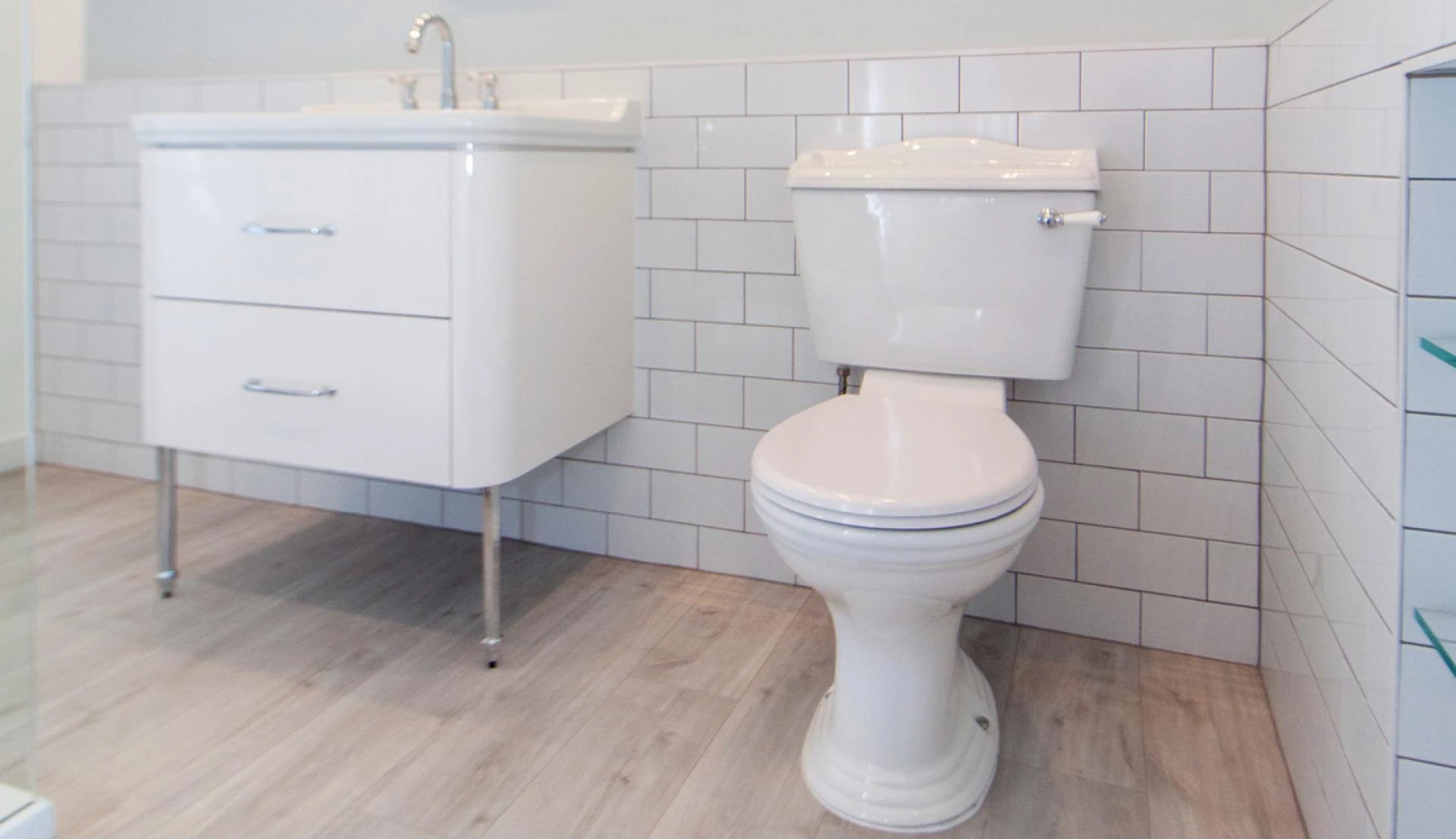
After weeks of construction, a deep clean transforms your bathroom from a worksite into a polished retreat. Add finishing touches like plush towels, decorative plants, and ambient lighting to elevate the atmosphere.
Set Up Maintenance Routines
To protect your investment, adopt simple maintenance habits:
- Wipe down surfaces weekly to prevent build-up.
- Reseal grout annually to stop moisture damage.
- Descale showerheads monthly to maintain flow.
According to Consumer Reports, consistent care can extend the lifespan of bathroom fixtures by up to 25%.
Monitor and Adjust
Live in your new bathroom for a few weeks before making tweaks. Adjust lighting levels, add storage baskets, or change decor as needed.
Specialists also recommend scheduling annual check-ups to catch small issues before they grow. Budgeting for minor updates every five years keeps your bathroom modern and functional.
Conclusion
Planning your dream bathroom doesn’t need to feel overwhelming. With the guidance of bathroom renovation specialists, you can navigate every stage—from goal setting and design to installation and long-term care—with confidence.
A professionally designed bathroom not only enhances your comfort but also adds significant value to your home. According to Remodeling Magazine, bathroom remodels can deliver up to a 70% return on investment.
So why wait? Start today by consulting a trusted bathroom renovation service like Refresh Renovations. With the right team by your side, your perfect bathroom retreat is just a plan away.
FAQs
1. How much does a bathroom renovation usually cost?
On average, homeowners spend 5–10% of their home’s value on a bathroom remodel. Costs vary based on materials, features, and labour.
2. Why should I hire bathroom renovation specialists instead of a general contractor?
Specialists bring specific expertise in bathroom layouts, waterproofing, and design trends, reducing the risk of errors and delays.
3. Do I need permits for a bathroom renovation?
Yes, most plumbing and electrical changes require permits. A professional renovation company will handle this for you.
4. What are some budget-friendly upgrades that still add value?
Consider energy-efficient fixtures, slip-resistant flooring, and updated lighting. These provide long-term savings and enhance safety.
5. How can I keep my new bathroom looking fresh?
Maintain weekly cleaning routines, reseal grout annually, and schedule professional check-ups. Regular care extends the life of your fixtures and finishes.





























Sign in to leave a comment.