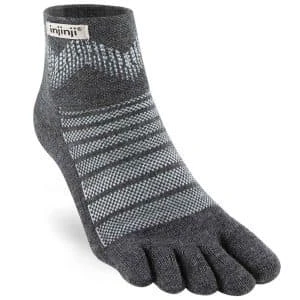

Running is a rewarding yet challenging activity that requires the right gear to maximize comfort and performance. Among the essentials, socks often take a backseat in the discussion. However, the right pair of running socks can significantly enhance your experience, providing comfort, support, and protection against various terrains. This article delves into the features of the best running socks for different terrains, helping runners make informed choices.
Understanding the Importance of Running Socks
Running socks are specifically designed to cater to the needs of runners. Unlike regular socks, they are engineered to provide moisture-wicking properties, cushioning, and support. These features help prevent blisters, reduce friction, and keep feet dry and comfortable during long runs.
Key Features to Look For
- Moisture-Wicking Fabric:
- The best running socks are made from materials that pull moisture away from the skin. This helps keep feet dry and reduces the risk of blisters. Look for socks made from synthetic materials or merino wool, which are excellent for moisture management.
- Cushioning:
- Cushioning is crucial, especially for long-distance runners. Socks with padding in the heel and toe areas can absorb shock and provide extra comfort on hard surfaces.
- Fit and Compression:
- A snug fit is essential to prevent slippage and friction. Some running socks offer compression features, which can enhance blood circulation and support during runs.
- Seamless Design:
- Socks with flat or seamless toe seams can reduce the risk of irritation and blisters, making them ideal for long runs.
- Durability:
- Look for socks that are reinforced in high-wear areas to ensure they withstand the rigors of various terrains.
Best Running Socks for Different Terrains
1. Road Running Socks
Road running often involves hard, flat surfaces, which can lead to increased impact on the feet. The best running socks for this terrain should focus on cushioning and moisture management.
- Cushioned Road Socks:
- These socks typically feature extra padding in the heel and forefoot, providing shock absorption. Brands often incorporate materials that wick away sweat, ensuring runners stay dry.
- Lightweight Options:
- Lightweight socks are also popular among road runners, as they offer a barely-there feel while still providing adequate support.
2. Trail Running Socks
Trail running presents unique challenges, including uneven surfaces, rocks, and roots. The best running socks for trails are designed to protect against abrasions and provide stability.
- Ankle-Length Socks:
- Ankle-length options offer extra coverage and protection against debris. Many trail socks also have a thicker fabric to shield feet from sharp objects.
- Arch Support and Grip:
- Socks with built-in arch support can offer stability, while those with textured grips can help keep the sock in place, preventing slippage during uphill or downhill sections.
3. Ultra Running Socks
For ultra-distance runners, comfort and durability are paramount. The best running socks for ultra running combine features from both road and trail socks.
- Maximum Cushioning:
- These socks offer additional cushioning to handle the extended impact of long distances. They are often made from breathable materials to prevent overheating.
- Thermal Regulation:
- Some ultra running socks include thermal regulation properties, keeping feet warm in cold conditions and cool in warmer weather.
4. Winter Running Socks
Cold weather can pose significant challenges for runners. The best running socks for winter conditions should provide warmth without sacrificing breathability.
- Insulated Fabrics:
- Look for socks made from wool blends or specialized insulating materials that keep feet warm while allowing moisture to escape.
- Higher Cut:
- Higher-cut socks can provide additional warmth and coverage, protecting ankles from cold air and snow.
5. Compression Running Socks
Compression socks have gained popularity among runners for their potential benefits in enhancing performance and recovery.
- Improved Blood Circulation:
- Compression socks apply pressure to the legs, which can help improve blood flow and reduce fatigue during long runs.
- Injury Prevention:
- These socks can also aid in recovery by reducing muscle soreness and minimizing the risk of injuries.
Choosing the Right Running Socks
When selecting the best running socks, consider the following factors:
- Terrain:
- Identify the primary terrain you’ll be running on—road, trail, or a mix—and choose socks designed for that environment.
- Fit:
- Ensure you select the correct size. Socks that are too tight can cause discomfort, while those that are too loose can lead to blisters.
- Material:
- Choose materials based on your personal preference and climate. Synthetic fibers are great for moisture management, while wool offers temperature regulation.
- Budget:
- While it’s tempting to opt for cheaper options, investing in quality running socks can pay off in comfort and performance.
Maintaining Your Running Socks
To ensure your socks last as long as possible, proper care is essential:
- Washing:
- Always follow the manufacturer’s washing instructions. Most running socks should be washed in cold water and air-dried.
- Storage:
- Store socks in a cool, dry place to prevent moisture buildup, which can lead to mold and deterioration of the fabric.
Conclusion
In the world of running, every detail matters, and choosing the right gear can make a significant difference in performance and comfort. By understanding the unique features of the best running socks for various terrains, runners can enhance their experience and reduce the risk of injury. Whether you are hitting the pavement, tackling rugged trails, or braving winter weather, investing in quality running socks will pay dividends in your overall running journey. For those looking to elevate their game, consider exploring the offerings at Pure Running.


























Sign in to leave a comment.