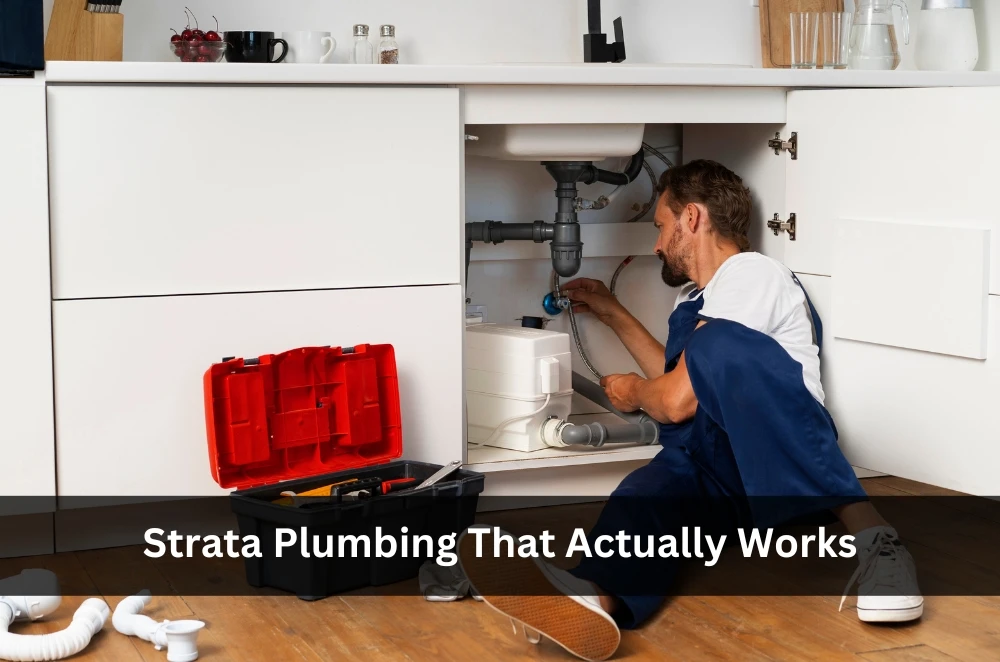

Strata blocks live or die on plumbing that just works, which is why strata plumbing experts matter more than a catchy maintenance plan. When a riser leaks or a hot water plant coughs at 2 am, owners don’t want theory; they want clear heads, quick diagnostics, and trades who respect common property. We’ve spent years watching the same patterns: deferred repairs balloon into messier jobs, communication breaks down between managers and residents, and water bills climb without anyone asking why. None of this is glamorous. It’s simply the everyday discipline that keeps lifts dry, bin rooms odour-free, and tenants calm enough to sleep through the night. That’s the brief. Today.
What do strata managers really need?
They need predictability and straight talk: a plan that prevents breakdowns and a crew that shows up when promised. Implement transparent reporting to enable committees to approve work without unnecessary back-and-forth.
The best outcomes start with clean asset data—fixture registers, meter baselines, pump and plant schedules, and risk priorities tied to building class and age. Response times matter, but so does the ability to explain options in plain English, with costs and consequences side by side. That’s how committees move quickly without second-guessing. When everyone knows what’s urgent and what can wait a quarter, budgets stop leaking. For recurring defects—pin-holed copper, tree-root intrusions, temperamental recirculation—document once, fix properly, then verify. Set expectations around access, noise windows, and resident notices before tools come out. Keep records tight: before/after photos, serials, and service dates. For a refresher on patterns we keep seeing, bookmark common strata plumbing issues.
• Routine audits catch quiet leaks early
• Clear scopes stop surprise variations
• Photos and notes build committee trust
Where do strata plumbing plans fail?
Mainly in the gaps: data isn’t updated, responsibilities blur, and seasonal risks are ignored until they’re expensive. Comms slip, then small leaks become mould, insurance, and unhappy residents.
We’ve seen annual services that merely tick boxes without addressing root causes. Tanks get “inspected” but not descaled. PRVs drift. Circulation loops lose balance; residents crank mixers to compensate; energy and water bills creep. Roof drainage is another sleeper—blocked sumps don’t complain until a storm tests them. Tie works to build rhythms: spring for backflow and irrigation, pre-summer for hot water safety, and quarterly meter checks with variance thresholds. Keep after-hours callouts honest with simple triage trees that managers can use on the phone. When contractors leave sites tidy and send same-day reports, trust compounds; approvals move faster, defects shrink.
• Seasonal tasks mapped to risks
• Meter variance alerts over thresholds
• Root-cause fixes over repeat patching
Conclusion
Strata plumbing shouldn’t be dramatic; it should be quietly relentless. Set the cadence, keep the records, and fix causes, not symptoms. That’s how we protect common property, maintain steady budgets, and provide residents with a building that just works if your committee requires a transparent, commercial approach to structuring scope, budgets, and SLAs—without unnecessary complexity—lock in service cycles, variance thresholds, and reporting that everyone can understand with strata plumbing maintenance plans.




























Sign in to leave a comment.