
Introduction
Developing a food delivery app requires careful consideration of the technology stack that will power its functionality, performance, and user experience. The right tech stack plays a vital role in creating a robust and scalable app that meets the demands of the users and the business. In this article, we will explore the essential com ponents of a tech stack for developing a food delivery app.
Front-End Development
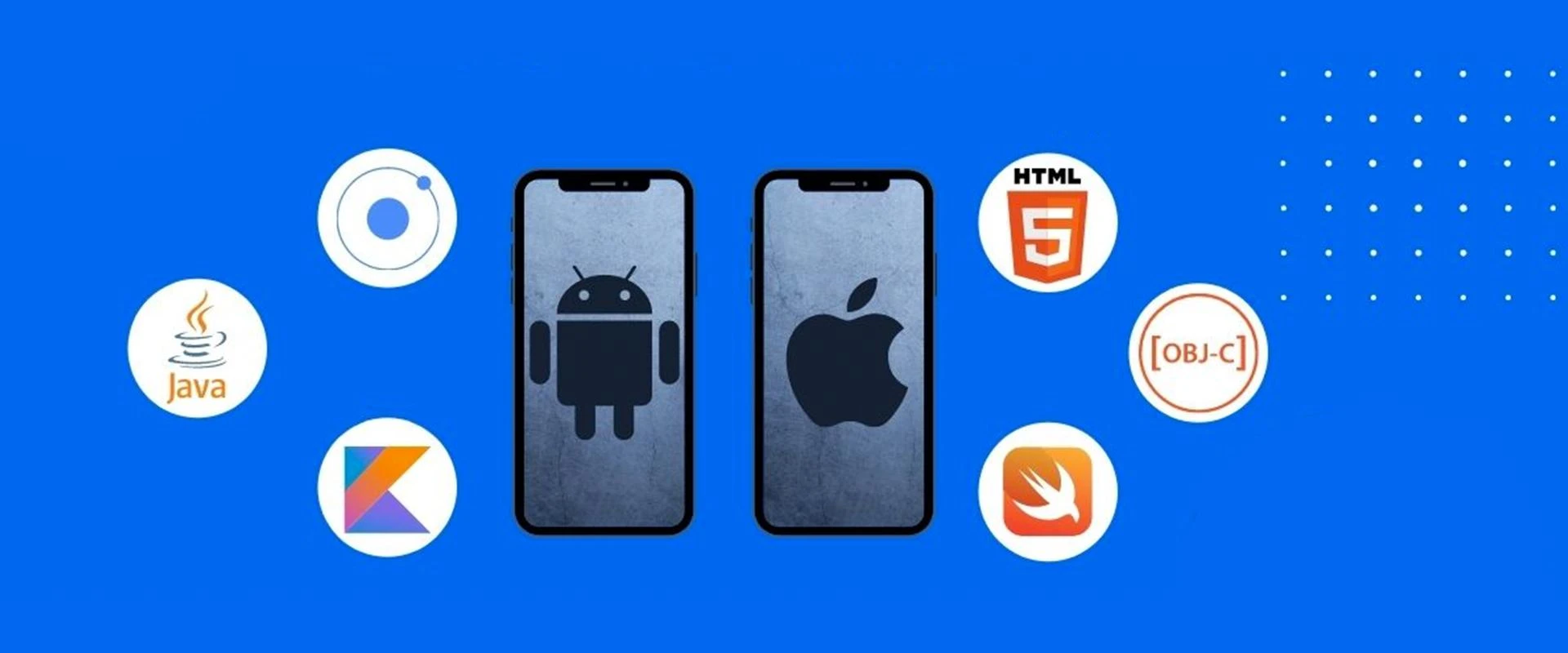
1. Mobile App Development (iOS and Android)
For the mobile app development, consider using the following technologies:
React Native: React Native is a popular cross-platform framework that allows developers to build mobile apps for iOS and Android using a single codebase. It offers a rich set of UI components and provides a native-like experience.
Flutter: Flutter is another cross-platform framework developed by Google. It uses the Dart programming language and offers a high-performance UI toolkit. Flutter provides a fast development cycle and allows for a visually appealing user interface.
2. Web Development
For the web development aspect of your food delivery app, consider using the following technologies:
React.js: React.js is a widely used JavaScript library for building user interfaces. It enables the creation of interactive and dynamic web pages, providing a seamless user experience.
Angular: Angular is a powerful JavaScript framework maintained by Google. It offers a comprehensive set of tools and features for building robust and scalable web applications.
Back-End Development
1. Server-Side Programming Language
When it comes to the server-side programming language for your food delivery app, consider the following options:
Node.js: Node.js is a popular JavaScript runtime built on Chrome's V8 JavaScript engine. It allows developers to build scalable and high-performance server-side applications. Node.js is well-suited for real-time applications and offers a vast ecosystem of libraries and frameworks.
Python: Python is a versatile and easy-to-learn programming language. It offers a wide range of frameworks, such as Django and Flask, which provide excellent support for web development and can handle the backend logic of your food delivery app efficiently.
2. Database
Choosing the right database technology is crucial for storing and managing data in your food delivery app. Consider the following options:
Relational Database Management System (RDBMS): RDBMS such as MySQL or PostgreSQL offer strong data consistency, ACID compliance, and are suitable for applications with complex relationships and transactions.
NoSQL Database: NoSQL databases like MongoDB or Firebase provide flexibility and scalability. They are well-suited for applications that handle large amounts of unstructured data and require high availability.
3. API Development
Creating APIs to connect the front-end and back-end of your food delivery app is essential for seamless communication. Consider the following technologies for API development:
Express.js: Express.js is a lightweight and flexible web application framework for Node.js. It simplifies the creation of robust APIs and provides middleware to handle requests and responses effectively.
Django REST Framework: Django REST Framework is a powerful framework for building APIs with Python and Django. It offers excellent support for serialization, authentication, and authorization.
4. Payment Gateway Integration
To enable secure and seamless online payments, integrating a reliable payment gateway is crucial. Consider popular payment gateways such as Stripe, PayPal, or Braintree. These gateways provide secure transaction processing and support various payment methods.
5. Cloud Infrastructure
Deploying your food delivery app on a reliable cloud infrastructure ensures scalability, availability, and performance. Consider using cloud platforms such as Amazon Web Services (AWS), Google Cloud Platform (GCP), or Microsoft Azure. These platforms offer a wide range of services, including server hosting, database management, and storage solutions.
Conclusion
Selecting the right tech stack is vital for developing a successful food delivery app. The combination of front-end and back-end technologies, along with a reliable database, API development frameworks, payment gateway integration, and cloud infrastructure, will determine the app's performance, scalability, and user experience. Evaluate your project requirements, consider the strengths and limitations of each technology, and choose the stack that best aligns with your app's goals and objectives.
























Sign in to leave a comment.