
Teeth cleaning is a fundamental part of maintaining oral health, yet there are countless myths and misconceptions surrounding it that can lead to ineffective practices or even damage. From how often to brush to whether professional cleanings are necessary, separating fact from fiction is crucial for a healthy smile. This blog will debunk some of the most common teeth cleaning myths and provide evidence-based advice on what you really need to know to care for your teeth and gums properly.
Myth 1: Brushing Harder Cleans Your Teeth Better
One of the most pervasive myths is that brushing harder will remove more plaque and make teeth cleaner. In fact, brushing too hard does more harm than good. Excessive pressure can erode the enamel, the protective outer layer of your teeth, leading to increased tooth sensitivity and vulnerability to cavities. It can also cause gum recession, exposing tooth roots and potentially leading to gum disease.
The truth is that gentle, thorough brushing with a soft-bristled toothbrush is the safest and most effective approach. Use small, circular motions and spend at least two minutes brushing twice a day with fluoride toothpaste to ensure all surfaces are cleaned without damaging your teeth or gums. Precision and technique matter much more than force.
Myth 2: You Only Need to Brush Once a Day
Some people believe brushing once a day is sufficient, but this is incorrect. Brushing twice a day, ideally once in the morning and once before bed, is essential. This routine helps remove plaque and food particles that accumulate throughout the day and night. Nighttime brushing is particularly important because saliva production decreases during sleep, making your mouth more susceptible to bacterial growth and acid attacks that can degrade tooth enamel.
Skipping brushing or only brushing once daily increases the risk of cavities, gingivitis, and gum disease. It is also important to floss daily to clean in between teeth where brushing cannot reach.
Myth 3: Mouthwash Can Replace Brushing
Mouthwash is often misconceived as a substitute for brushing. While mouthwash can be a helpful adjunct to oral hygiene, it cannot replace brushing and flossing. Mouthwash temporarily reduces bacteria and freshens breath, but it cannot remove plaque effectively.
Brushing physically removes plaque and food debris that cause decay and gum problems. Incorporating mouthwash can enhance oral hygiene, but relying on it alone won't keep your teeth healthy.
Myth 4: Professional Cleanings Damage Tooth Enamel
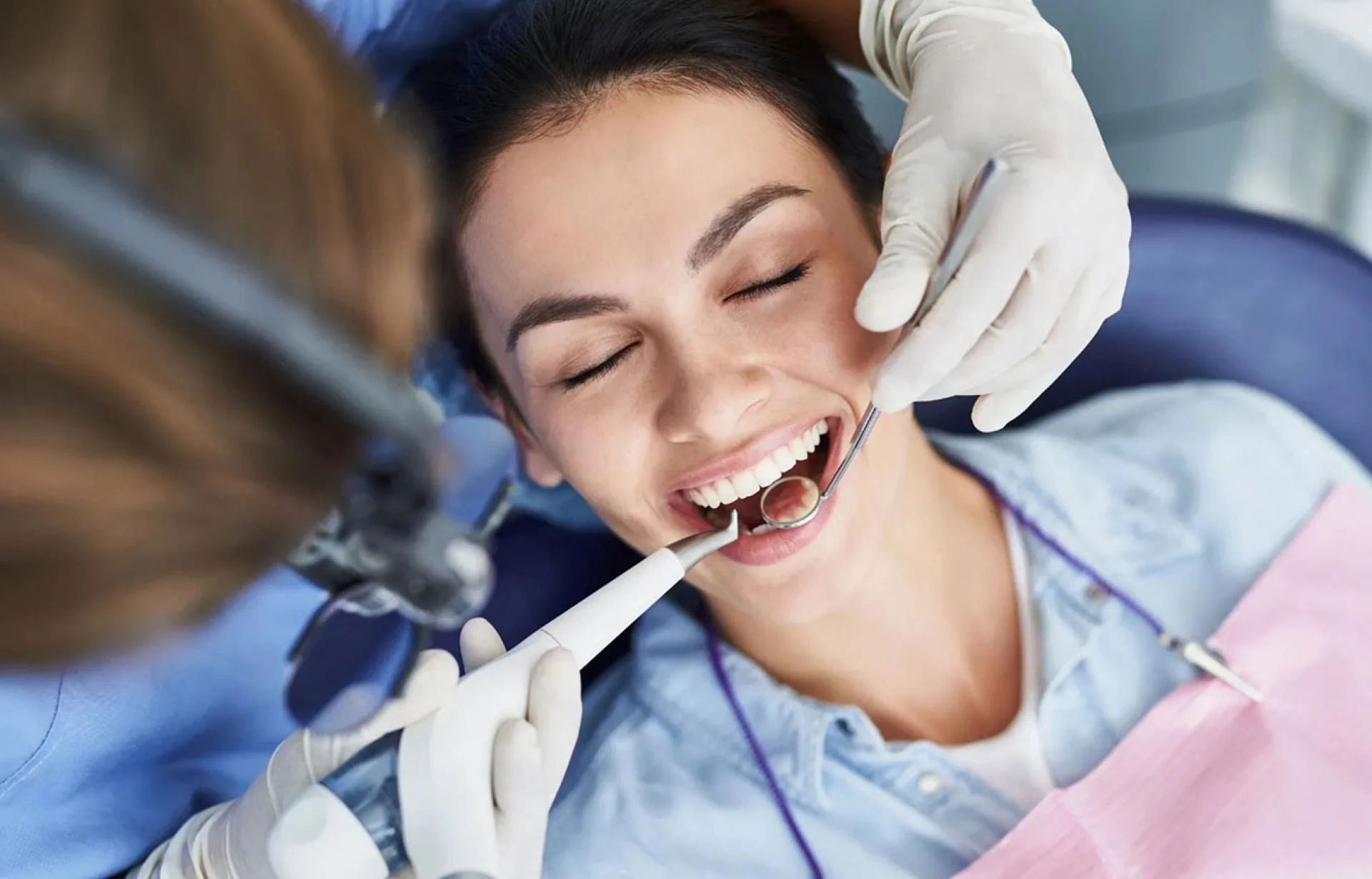
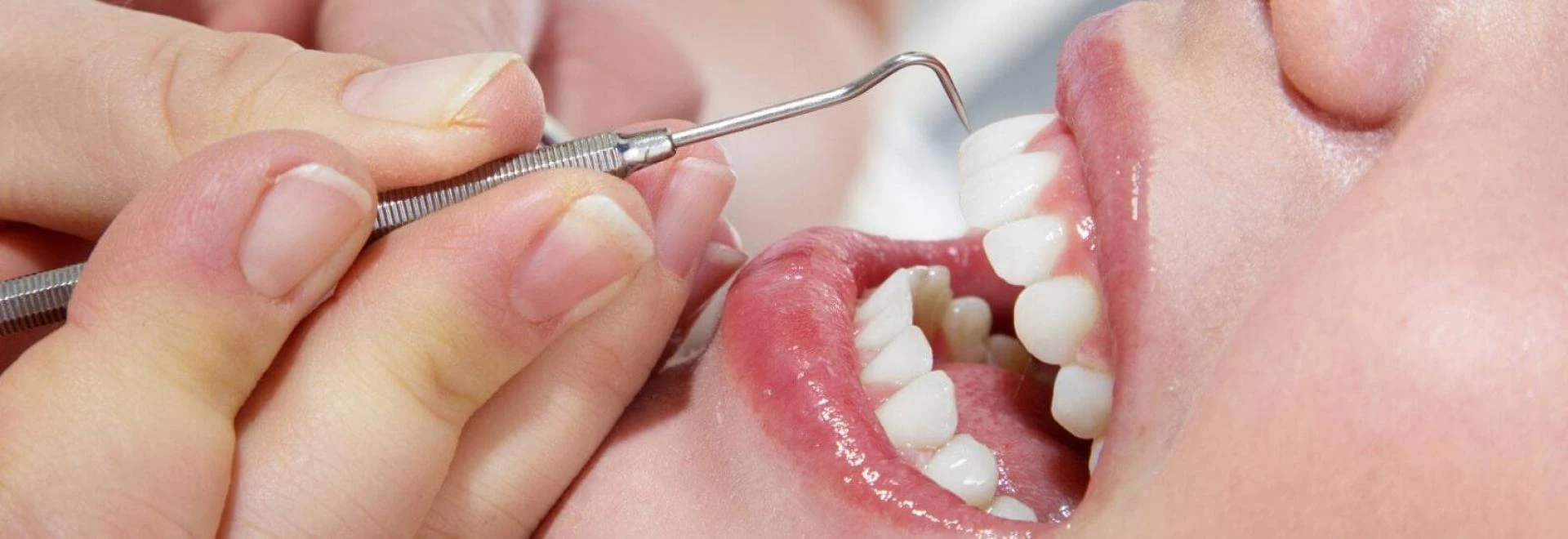
Many people fear that professional dental cleanings may damage their enamel or weaken their teeth. This is not true. The instruments used by dental hygienists are specifically designed to remove plaque, tartar, and stains without harming enamel.
In reality, regular professional cleanings play a critical role in preventing tooth decay and gum disease by removing hardened plaque (tartar) that cannot be eliminated through brushing alone. Cleanings also help detect oral health issues early when they are most treatable.
The feeling of scraping or vibration during cleaning can be unfamiliar, leading to misconceptions that enamel is being damaged, but these sensations are normal and harmless. Additionally, fluoride treatments provided after cleaning help strengthen enamel and protect against cavities. If you are searching for dental teeth cleaning in Sector 9 Faridabad, it’s important to recognize that professional cleanings do more than just enhance your smile’s appearance. At establishments like Vedant Dental Implant Centre, expert dental hygienists use specialized tools to remove hardened plaque and tartar that regular brushing cannot eliminate.
Myth 5: Frequent Teeth Cleaning Can Weaken Teeth
Another myth is that frequent visits to the dentist for cleaning can weaken teeth. On the contrary, regular cleanings (usually recommended every six months) are vital for maintaining strong teeth and healthy gums. They prevent the buildup of tartar and plaque, which are the primary causes of gum disease and tooth decay.
Skipping or delaying professional cleanings allows harmful bacteria to accumulate, raising the risk of severe dental problems that can threaten tooth stability and lead to costly treatments or tooth loss. Consistent dental visits support oral health over the long term.
Myth 6: You Should Change Toothbrushes Only When Bristles Look Worn
Waiting until toothbrush bristles look worn is not the best guideline for replacing your toothbrush. Regardless of appearance, toothbrushes should be replaced approximately every three months or sooner if you have gum disease or have been sick.
Bacteria can accumulate on toothbrushes even if they appear in good condition, posing a risk to oral health. Regular replacement ensures effective cleaning and reduces exposure to germs.
Myth 7: Flossing Creates Spaces Between Teeth
Some people avoid flossing out of fear that it will create gaps between their teeth. This is a misconception. Flossing does not push teeth apart or create spaces; rather, it removes trapped food particles and plaque between teeth, preventing decay and gum disease.
If flossing causes bleeding initially, it usually means the gums are inflamed from plaque buildup and need consistent care. Bleeding should stop within a few days of regular flossing; persistent bleeding warrants a dental consultation.
What You Really Need to Know
- Use a soft-bristled toothbrush and brush gently in small circular motions for two minutes twice daily.
- Floss once a day to remove plaque and debris from between teeth.
- Use fluoride toothpaste to help strengthen tooth enamel and prevent decay.
- Visit your dentist for professional cleanings and checkups at least every six months.
- Replace your toothbrush every three months or after illness.
- Understand that professional cleanings are safe, not painful, and essential for removing tartar.
- Maintain a healthy diet low in sugary and acidic foods to support dental health.
By debunking these common myths and following evidence-based dental care practices, you can maintain a healthy and beautiful smile for life. Remember that effective oral hygiene is a combination of proper daily habits and regular professional care—not quick fixes or harsh methods.























Sign in to leave a comment.