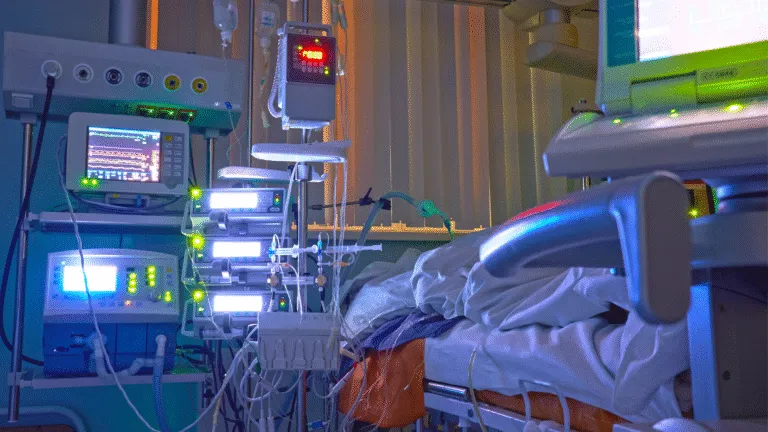

In modern healthcare, Tele ICU (Tele-Intensive Care Unit) is redefining how critically ill patients receive care. It leverages advanced digital technology to remotely monitor, assess, and support ICU patients in real time. For a densely populated and fast-paced region like Delhi NCR, Tele ICU service Delhi NCR plays a crucial role in bridging the gap between limited ICU specialists and the growing demand for critical care—ensuring timely, expert intervention when every second counts.
NIAC stands at the forefront of this transformation, delivering reliable, tech-enabled Tele ICU services designed to enhance patient outcomes and support on-ground medical teams.
What is Tele ICU?
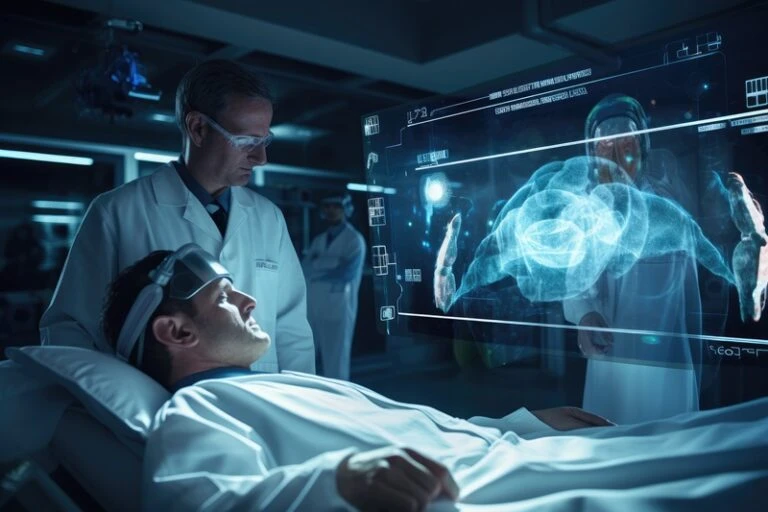
Tele ICU is a form of tele-critical care where intensivists, nurses, and specialists remotely monitor ICU patients using high-definition video, real-time data feeds, and AI-enabled systems.
Key Features:
- 24/7 remote patient monitoring
- Real-time access to vital parameters
- Two-way audio-visual communication
- Clinical decision support systems
In simple terms, Tele ICU ensures that expert critical care is always available—even if a specialist isn’t physically present in the hospital.
How Does Tele ICU Work?
Tele ICU operates through a centralized command center connected to multiple hospitals or ICUs.
Here’s how it functions:
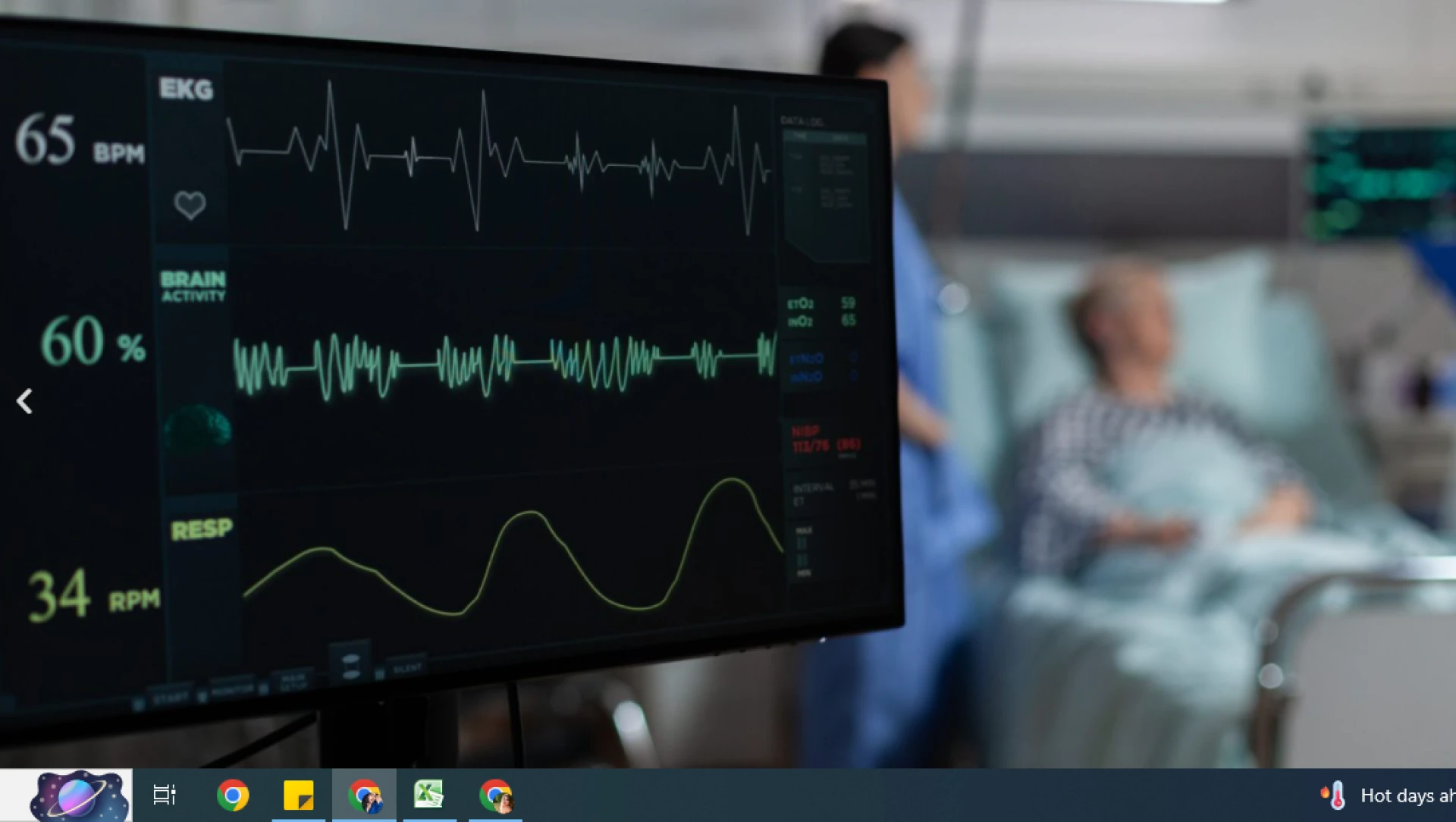
- Data Integration: Patient vitals (heart rate, oxygen levels, blood pressure) are continuously transmitted.
- Remote Monitoring: Intensivists track patient conditions in real time.
- Early Alerts: AI-driven systems flag abnormalities instantly.
- Clinical Intervention: Specialists guide bedside teams through immediate actions.
- Documentation & Analysis: Every interaction is recorded for quality improvement.
This seamless system enables faster decisions, reduces human error, and enhances ICU efficiency.
Why is Tele ICU Important in Delhi NCR?
Delhi NCR faces unique healthcare challenges—high population density, uneven access to specialists, and increasing cases of chronic and critical illnesses.
Tele ICU addresses these challenges by:
- Extending critical care expertise to smaller hospitals
- Reducing patient transfer delays
- Supporting overburdened ICU staff
- Improving survival rates through early intervention
With rising demand for remote ICU monitoring in Delhi NCR, Tele ICU is no longer optional—it’s essential.
Benefits of Tele ICU Services
1. Improved Patient Outcomes
Continuous monitoring ensures early detection of complications, leading to faster treatment and better recovery rates.
2. 24/7 Expert Availability
Patients receive round-the-clock supervision from experienced intensivists, regardless of location.
3. Reduced ICU Mortality Rates
Studies show that tele-critical care significantly lowers mortality and length of ICU stays.
4. Cost Efficiency
Minimizes unnecessary transfers and optimizes resource utilization for hospitals.
5. Support for On-Site Teams
Tele ICU acts as a second layer of expertise, empowering doctors and nurses with real-time guidance.
Why Choose NIAC for Tele ICU Service Delhi NCR?
NIAC has emerged as a trusted provider of Tele ICU services by combining clinical excellence with advanced technology.
What sets NIAC apart?
1. Advanced Technology Infrastructure: NIAC leverages cutting-edge monitoring systems, secure data integration, and AI-powered analytics for accurate, real-time insights.
2. Experienced Critical Care Specialists: A team of highly trained intensivists ensures evidence-based decision-making and rapid response.
3. 24/7 Continuous Monitoring: Round-the-clock surveillance guarantees that no critical change goes unnoticed.
4. Scalable Solutions: From small hospitals to large healthcare networks, NIAC offers flexible Tele ICU models tailored to different needs.
5. Focus on Patient Outcomes: The goal isn’t just monitoring—it’s measurable improvement in recovery rates and quality of care.
Common Questions About Tele ICU (FAQ)
What is the main purpose of Tele ICU?
The primary goal is to provide continuous, expert monitoring and timely intervention for critically ill patients, improving survival rates and reducing complications.
Is Tele ICU safe and reliable?
Yes. Tele ICU systems use secure, encrypted platforms and are operated by trained specialists, ensuring patient safety and data privacy.
Who benefits from Tele ICU services?
- Critically ill patients
- Hospitals lacking full-time intensivists
- Healthcare systems aiming to improve ICU efficiency
Can Tele ICU replace bedside doctors?
No. Tele ICU complements on-site teams by providing additional expertise and support, not replacing them.
How quickly can doctors respond in a Tele ICU setup?
Responses are often immediate. Alerts are generated in real time, allowing specialists to intervene within seconds.
The Future of Tele ICU in India
India’s healthcare ecosystem is rapidly evolving, and Tele ICU is set to play a pivotal role.
Emerging Trends:
- Integration of AI for predictive analytics
- Expansion into rural and underserved areas
- Increased adoption by multi-hospital networks
- Use of wearable devices for continuous monitoring
As digital healthcare grows, ICU telemedicine in Delhi NCR will become a standard component of critical care delivery.
Conclusion
Tele ICU is not just a technological advancement—it’s a life-saving innovation that brings expert critical care to wherever it’s needed most. In a region like Delhi NCR, where timely intervention can make all the difference, Tele ICU services are transforming patient outcomes and hospital efficiency.
NIAC’s commitment to innovation, clinical excellence, and reliable remote ICU monitoring makes it a strong partner in this evolving healthcare landscape. For hospitals seeking to enhance critical care capabilities or families looking for advanced ICU support, Tele ICU offers a smarter, faster, and more effective solution.
Looking to upgrade your ICU capabilities? Explore how NIAC’s Tele ICU services can deliver expert care—anytime, anywhere.






























Sign in to leave a comment.