

If a room feels “fine” but not quite finished, it’s usually missing one thing: something your eyes can hold onto. Not more décor. Not another trendy colour. Texture. The kind that makes a space feel real, like it has weight and history, even if the renovation was completed last month.
That’s why thin brick veneer, ledge stone panels, and cobblestone keep showing up in Canadian home renovations. These materials aren’t about being flashy. They’re about creating rooms that feel warmer and more believable, especially in homes that lean heavily on smooth drywall and clean modern finishes. And in Canada, where half the year practically begs you to stay indoors, the vibe of your home matters more than people admit.
Let’s talk about how these three surfaces work, where they shine, and how to combine them without ending up with a space that feels overly busy or “theme-y.”
Why Canadian Home Renovations Are Leaning Into Texture Again
Modern builds often look crisp on day one… and a little bland by day ten. It’s not anyone’s fault. Smooth cabinets, flat walls, and glossy surfaces are easy to maintain and easy to sell. The downside is that they can make different rooms feel interchangeable. Living room, hallway, basement — same energy, different furniture.
Texture fixes that. Not just visually, but emotionally. A textured wall changes how a room feels when you walk in. It adds depth. It creates contrast. It catches light differently. It even hides small scuffs or daily wear better than paint.
And here’s the honest part: Canadian weather plays a role too. When it’s grey outside for weeks, a home with warmth and visual richness simply feels better to live in. You don’t need to turn your house into a cabin, but you do want it to feel like it has a heartbeat.
That’s where thin brick veneer, ledge stone panels, and cobblestone come in. They’re three different textures with three different personalities — and you can use them in small doses or build a whole design story around them.
Thin Brick Veneer: The “Instant Character” Upgrade That Doesn’t Take Over
There’s a reason thin brick veneer is everywhere right now. It’s one of the rare materials that can look urban, traditional, modern, rustic, or vintage depending on how you style it. It’s like denim — somehow it always fits.
What makes thin brick veneer especially useful in Canadian home renovations is its flexibility. It gives you the look of brick without the bulk of full brick construction, which means more places in the home can realistically handle it. It can feel like a high-impact upgrade without turning into a major structural project.
Where Thin Brick Veneer Looks Best (Without Trying Too Hard)
Some of the most natural placements are the ones people don’t overthink:
- Kitchen backsplash areas, especially behind open shelves
- Fireplace surround walls (gas, electric, or real — brick still works)
- Dining room accent walls where you want warmth
- Front entry walls to make the entrance feel more grounded
- Basement feature walls to avoid that “unfinished” vibe
Thin brick veneer also works well when you want a surface that holds up to real living. If you’ve got kids, pets, or regular entertaining, a brick wall doesn’t panic over fingerprints the way glossy paint does. It’s forgiving. It wears well. It’s not precious.
The “Brick Mood”
Thin brick veneer adds a sense of familiarity. It’s not just a surface — it’s a cue. It hints at older buildings, classic architecture, and spaces that feel settled. Even used in a brand-new home, it can stop the space from feeling too perfect, too new, too showroom-ish.
Ledge Stone Panels: Bold Texture That Works Especially Well With Lighting
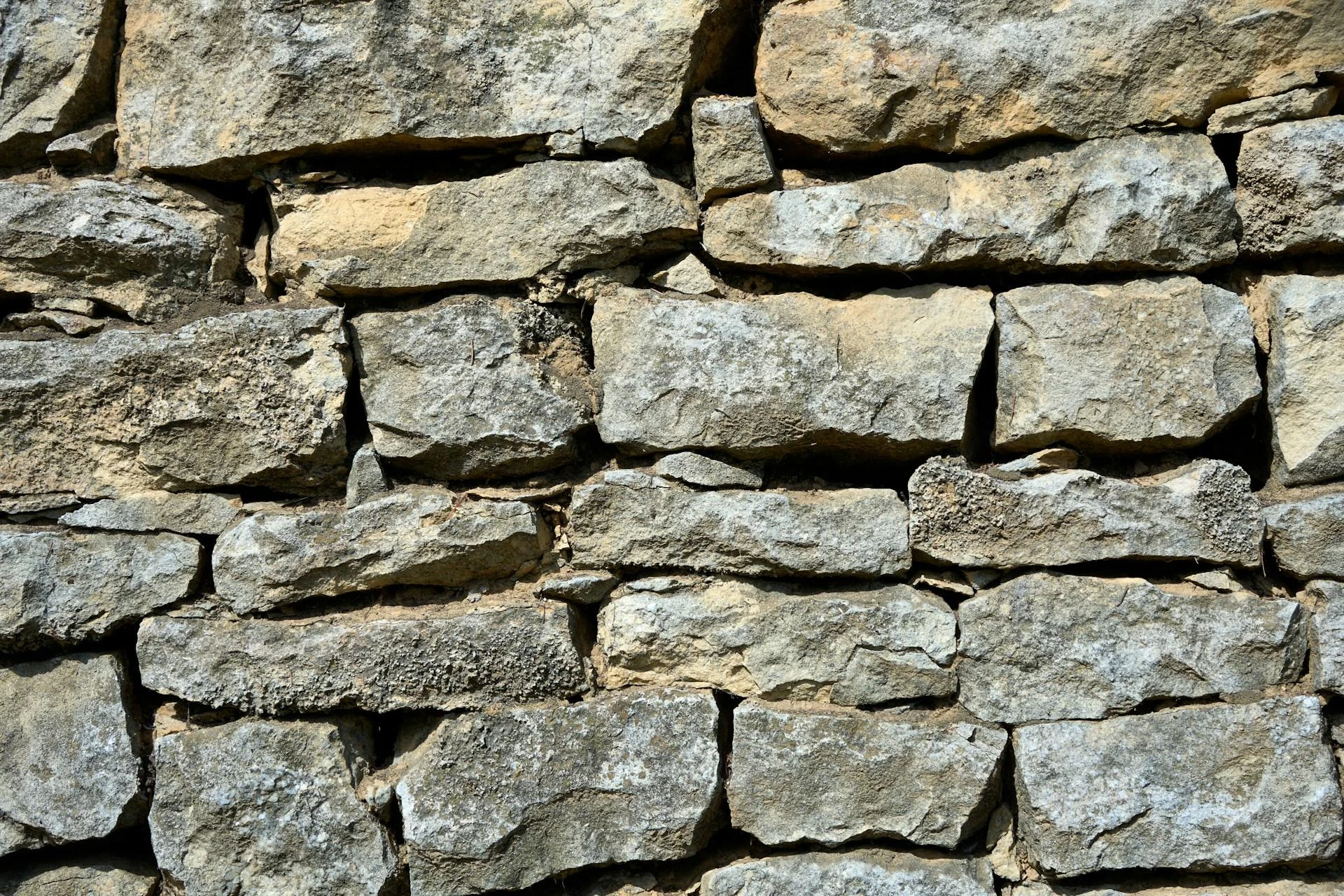
If thin brick veneer is the warm and friendly option, ledge stone panels tend to bring a bit more drama. Not drama like “look at me,” but drama like depth, shadows, and visual pull. Stone has a way of making a room feel anchored. It’s hard to explain until you see it in person. A plain wall can feel like nothing. A stone wall can feel like the room suddenly has structure.
Why Ledge Stone Panels Feel So Good in Living Spaces
Ledge stone panels create layers — literal layers — that catch light. That’s why they look so good in:
- Living rooms behind a TV or sofa
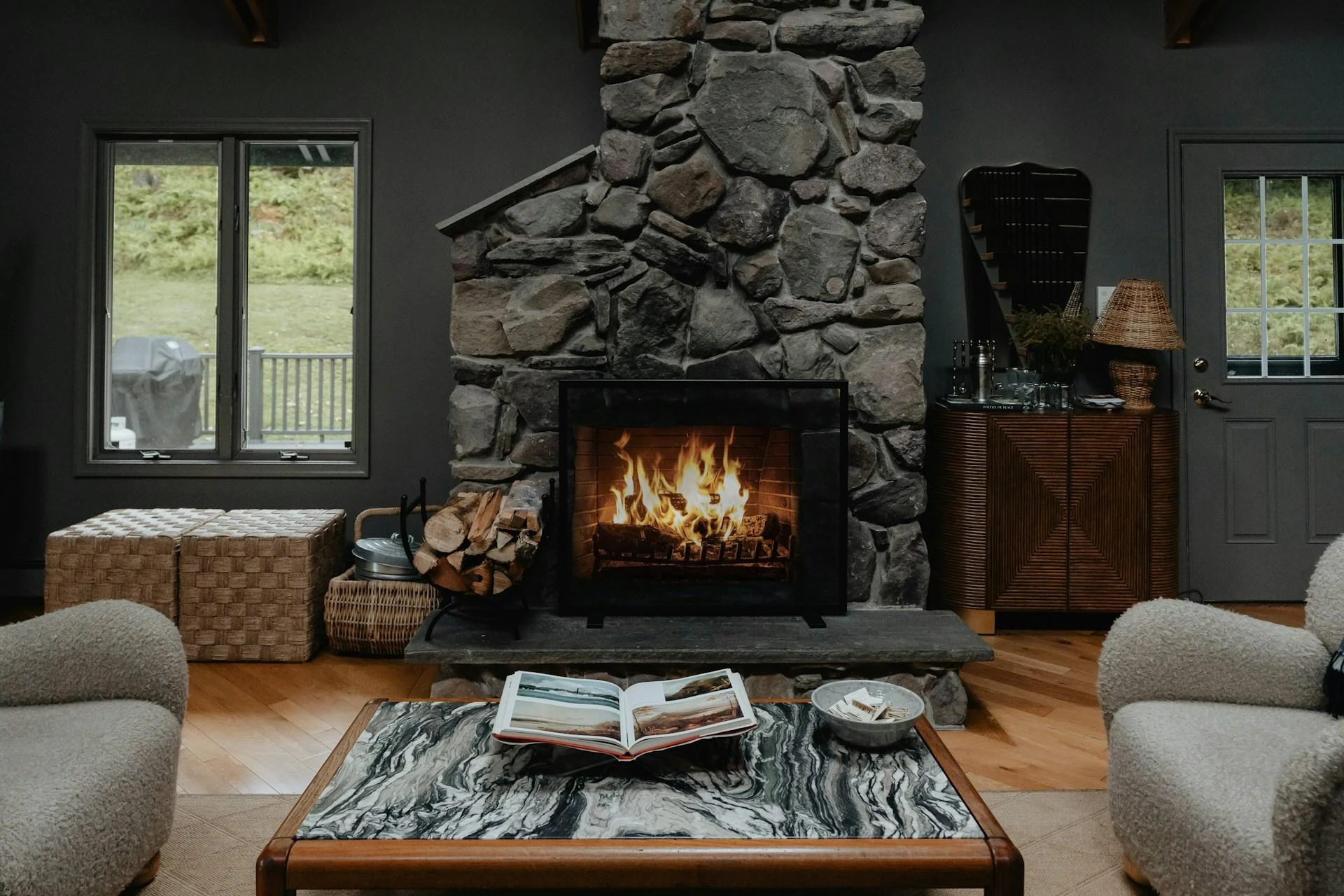
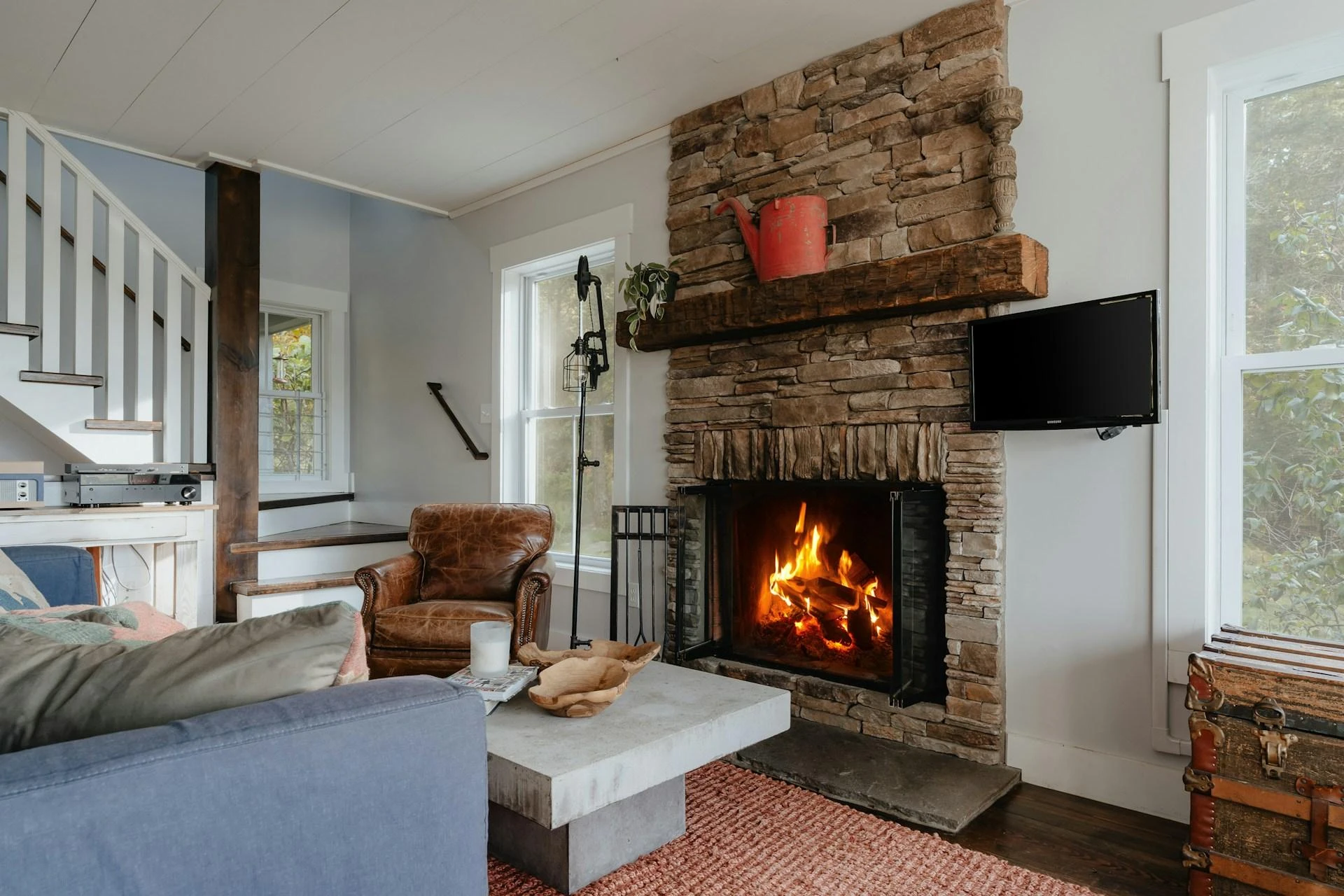
- Fireplace feature walls where you want a strong focal point
- Stairwell walls where you want a vertical “wow” moment
- Entry areas that feel too open or empty
Lighting is the secret. You don’t need a complicated setup, but directional light makes stone look alive. A pair of sconces. A ceiling wash light. Even a lamp angled toward the wall can highlight the texture.
And this matters in Canada because natural light is not always generous. A textured surface that performs well in low light is a smart design move. It keeps the room from feeling flat during long winters, especially in basements or north-facing spaces.
The “Stone Mood”
Ledge stone panels feel grounded and confident. They bring a natural, tactile energy into a space that might otherwise rely on sleek modern finishes. If you want a wall that feels solid and architectural, ledge stone panels are a strong choice.
Cobblestone: Not Just for Pathways (And Yes, It Can Work Indoors)
Cobblestone has a reputation. People often picture old streets or garden walkways, and that’s fair — cobblestone has centuries of history behind it. But it’s also surprisingly versatile in Canadian home renovations, and not only outdoors.
Cobblestone brings an irregular look that feels organic. It’s not uniform, and that’s exactly why it can be so charming. The surface feels hand-made by nature, even when it’s been carefully installed.
Where Cobblestone Works Indoors
Indoors, cobblestone can create a cozy, cottage-like impression, especially in spaces that benefit from texture:
- Mudrooms and entryways (a natural fit, honestly)
- Basement accent walls for warmth and character
- Fireplace zones where you want rustic charm
- Laundry rooms to make them feel less like “utility” spaces
It can sound bold, but in the right space, cobblestone feels welcoming rather than heavy. The key is scale and balance: one cobblestone wall, paired with simpler surfaces around it, can look intentional and beautiful.
Where Cobblestone Shines Outdoors
Outdoors is still where cobblestone feels most at home. It pairs beautifully with wood siding, modern landscaping, black railings, and warm exterior lighting. And practically speaking, cobblestone hides dirt and wear pretty well—which is helpful when snow, slush, rain, and salt are part of daily life.
The “Cobblestone Mood”
Cobblestone brings comfort and charm. It feels a little old-world, a little rugged, and very forgiving. It’s the kind of texture that makes a home feel welcoming rather than overly designed.
How to Combine Thin Brick Veneer, Ledge Stone Panels, and Cobblestone Without Making It Too Much
Using all three in one home can work beautifully, but the goal is to layer— not to overwhelm. Think in terms of “featured moments” instead of trying to texture every surface.
A Simple Layering Approach
- Thin brick veneer in the kitchen or dining zone (warm, social, familiar)
- Ledge stone panels as the living room focal point (adds strength and depth)
- Cobblestone in the entry or mudroom (adds charm and authenticity)
This creates a natural flow. Each material has a job:
- Brick adds warmth and familiarity
- Stone panels add dimension and structure
- Cobblestone adds charm and organic irregularity
If you keep the surrounding walls calmer—neutral paint, simple trim, balanced lighting—the textured surfaces look intentional. Like they belong.
Practical Design Tips That Save Regret Later
A few useful pointers that people usually learn the hard way:
Don’t fight the undertones
If your floors are warm, keep brick and stone in warmer tones. If your home leans cool, don’t force warm reds everywhere. It’s not complicated, but it matters.
Texture needs breathing room
One or two statement walls per floor can be plenty. Texture works best when it has contrast around it.
Lighting isn’t optional
Not fancy lighting—just thoughtful lighting. If you’re spending time and money adding texture, don’t let it disappear into shadows.
A Natural Ending
There’s a reason textured finishes feel so satisfying. They make a space feel less disposable, less temporary. They give rooms weight and personality. And when you come home after a long day — especially in the colder months—those small details matter.
Thin brick veneer, ledge stone panels, and cobblestone each bring their own kind of comfort. Used thoughtfully, they can turn a smooth, plain interior into something that feels warmer, richer, and more like a real home that people actually live in.
For more visuals, product details, and ideas connected to the materials in this post, these pages are helpful reference points:
https://canyonstonecanada.com/Thin-Brick-Veneer
https://canyonstonecanada.com/wallpanels/wallpanel/QuickFit-Ledge-Stone
https://canyonstonecanada.com/cobblestones/cobblestone/Cobble-Stone
























Sign in to leave a comment.