
Storms can be unpredictable, but the damage they leave behind often follows familiar patterns. From missing shingles to hidden leaks, roofing systems take on the brunt of heavy rain, strong winds, and debris impact. The challenge for homeowners is not just identifying obvious damage—it’s recognizing the issues that aren’t immediately visible.
Understanding how post-storm roof inspections work can help you respond quickly, avoid unnecessary repairs, and protect your home from long-term problems.
Why Storm Damage Isn’t Always Obvious
After a storm passes, it’s natural to look for clear signs of trouble—like fallen branches or missing shingles. But not all damage is easy to spot from the ground. In many cases, the most serious issues develop slowly beneath the surface.
For example, wind can loosen shingles without completely removing them. This creates small entry points for water, which may not cause visible leaks until weeks later. Similarly, hail can bruise roofing materials, weakening them over time without leaving dramatic marks.
Because of this, homeowners who rely only on visual checks from outside may miss early warning signs that could lead to bigger issues.
The Purpose of a Professional Roof Inspection
A professional roof inspection goes beyond what most homeowners can safely or effectively do on their own. It’s designed to evaluate both visible and hidden damage, providing a clear picture of the roof’s condition.
What inspectors typically assess
- Shingle integrity, including cracks, lifting, or impact damage
- Flashing around chimneys, vents, and skylights
- Roof valleys and drainage pathways
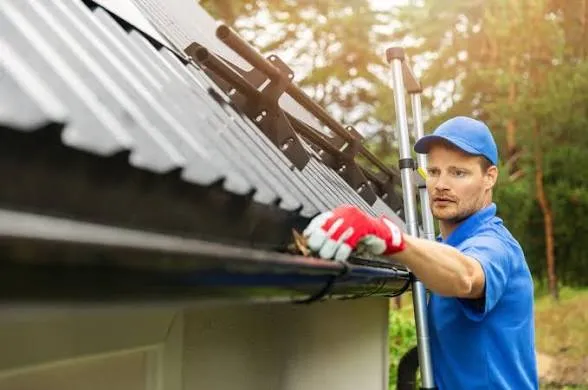
- Gutter alignment and debris buildup
- Signs of water intrusion in attic spaces
- Ventilation performance and moisture levels
This detailed approach helps identify not only current damage but also potential weak points that could worsen over time.
The Risks of Delaying an Inspection
One of the most common mistakes homeowners make is waiting too long to schedule an inspection. Even if the roof appears intact, unseen damage can gradually compromise the structure.
Delays can lead to:
- Water infiltration that damages insulation and ceilings
- Mold growth in attic or wall cavities
- Increased repair costs as minor issues expand
- Reduced lifespan of roofing materials
- Complications with future maintenance or upgrades
Acting early gives you more options and often reduces the overall cost of addressing the problem.
What to Do Immediately After a Storm
You don’t need to climb onto your roof to take action after severe weather. In fact, doing so can be dangerous. Instead, focus on safe, practical steps that help document and assess the situation.
A simple post-storm action plan
- Walk around your property and look for visible damage
- Check for debris, fallen branches, or displaced materials
- Inspect ceilings and attic spaces for signs of moisture
- Take photos of anything unusual or concerning
- Avoid temporary fixes that could cause further damage
- Schedule a professional inspection if anything seems off
These steps help you stay organized and provide useful information when discussing the situation with a roofing professional.
Understanding Inspection Outcomes
After an inspection, homeowners typically receive a report outlining the condition of the roof and any recommended actions. These recommendations can vary depending on the severity and type of damage.
Common outcomes include
- No significant damage: Routine maintenance may be all that’s needed
- Minor repairs: Small issues like loose shingles or flashing adjustments
- Moderate damage: Targeted repairs in specific sections
- Extensive damage: Larger repairs or full replacement may be recommended
Understanding these categories helps homeowners make informed decisions without feeling overwhelmed.
Why Local Expertise Matters
Roofing conditions and storm patterns can vary significantly depending on location. What works in one region may not be ideal in another. That’s why working with professionals familiar with local weather patterns can make a difference.
In areas prone to intense storms, inspections often require a more detailed approach. Materials may experience different stress levels, and certain vulnerabilities may be more common.
For homeowners seeking a clearer understanding of how inspections are handled in storm-prone regions, resources like storm damage roof inspections in San Antonio provide helpful context on what to expect from a thorough evaluation process.
Preventing Future Storm Damage
While no roof is completely immune to severe weather, there are steps homeowners can take to reduce risk and improve resilience.
Preventive measures to consider
- Schedule regular roof inspections, especially before and after storm seasons
- Keep gutters clean to ensure proper drainage
- Trim nearby trees to minimize debris impact
- Address small repairs promptly to prevent escalation
- Ensure proper attic ventilation to reduce moisture buildup
These actions strengthen the roofing system and help it perform better under stress.
Building Confidence Through Preparation
Storms are unavoidable, but uncertainty doesn’t have to be. When homeowners understand what to look for and how inspections work, they can respond with confidence instead of guesswork.
Preparation doesn’t require constant attention—it simply means having a plan and acting when it matters. A timely inspection can make the difference between a quick fix and a major repair, giving you greater control over your home’s condition.
Conclusion
Roof inspections after severe weather are an essential part of responsible homeownership. They help uncover hidden damage, guide repair decisions, and protect your home from long-term issues.
By acting early, working with knowledgeable professionals, and staying consistent with maintenance, you can reduce the impact of storms and extend the life of your roof. A proactive approach not only saves money over time but also ensures your home remains a safe and reliable space, no matter what the weather brings.




























Sign in to leave a comment.