
Introduction
Center pivot irrigation systems face some of the harshest environmental conditions in agriculture. At the heart of these systems are the wheel gearboxes, which rely entirely on a small but critical component: the oil seal. In Valley Valmont gearboxes, the oil seal is the primary defense mechanism against gear failure. Understanding its material composition and design architecture is essential for optimizing machinery lifespan.
Material Selection: Nitrile (NBR) vs. Fluoroelastomer (FKM)
The operating environment of a Valmont gearbox demands high resistance to temperature fluctuations, UV exposure, and chemically treated irrigation water.
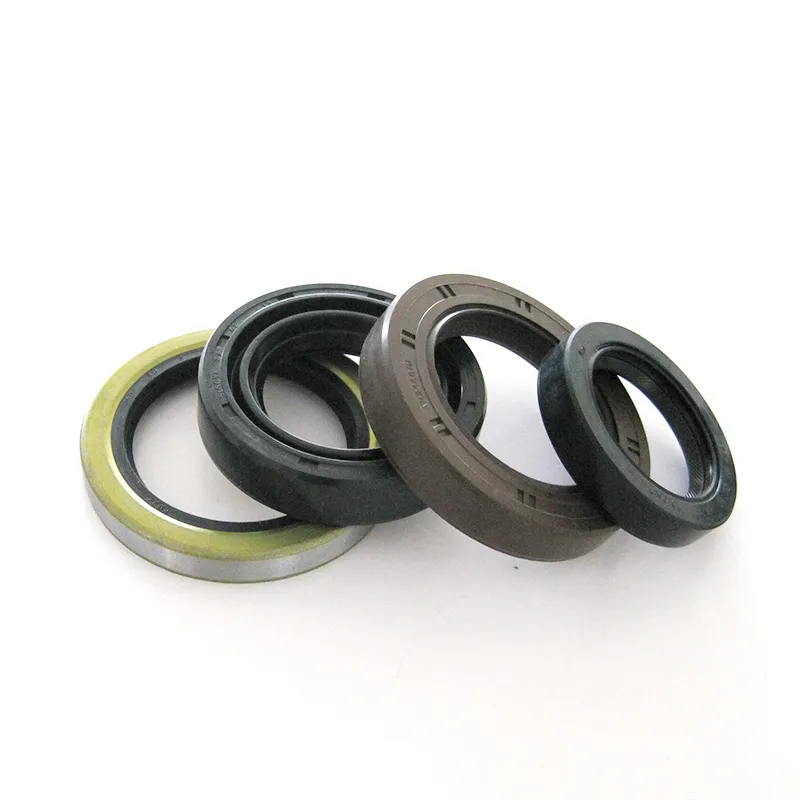
- Nitrile Rubber (NBR): The standard choice for many agricultural seals. NBR offers excellent resistance to petroleum-based oils and mechanical wear. It performs reliably within a temperature range of -40°C to 100°C.
- Fluoroelastomer (FKM / Viton): Used in premium or heavy-duty replacement seals. FKM provides superior resistance to chemical degradation (especially from fertilizers and pesticides) and can withstand higher thermal spikes.
The Multi-Lip Design Architecture
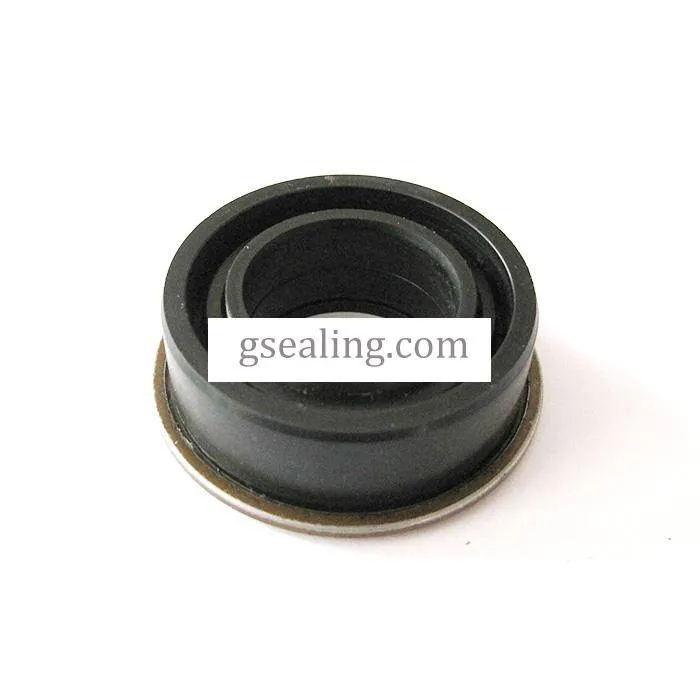
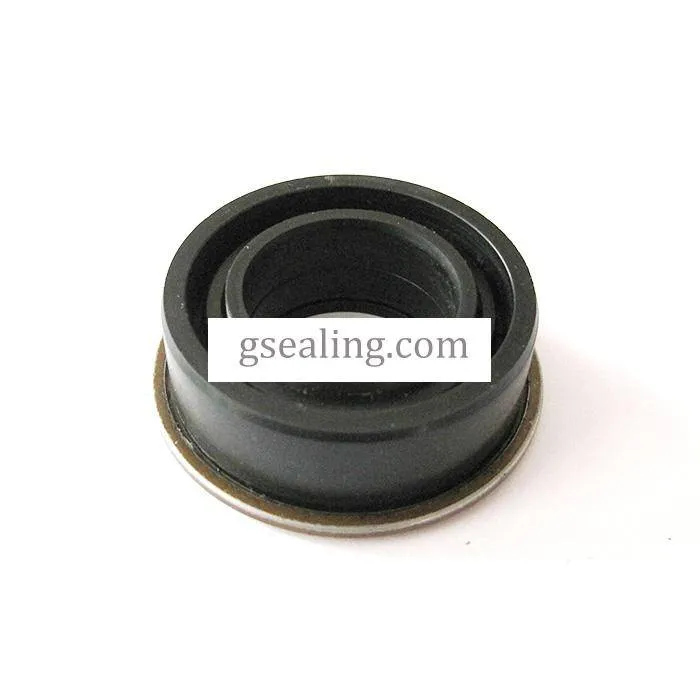
A standard industrial oil seal often utilizes a single lip. However, Valley Valmont gearbox seals typically employ a double-lip or multi-lip configuration to handle the dual threat of fluid loss and contaminant ingress.
- Primary Sealing Lip: Facing inward toward the gear oil. This lip features a precision-molded sharp edge that creates a microscopic fluid film between the rubber and the rotating shaft, preventing oil from weeping out.
- Garter Spring: A stainless steel spring nested behind the primary lip. It applies constant, uniform radial force on the shaft, compensating for rubber compression set and shaft runout over time.
- Auxiliary Dust Lip (Excluder Lip): Facing outward toward the environment. This lip does not have a spring and acts as a mechanical barrier against mud, dust, crop residue, and water.
Key Takeaway
When sourcing or evaluating seals for Valmont gearboxes, never compromise on the garter spring material (ensure it is stainless steel to prevent rusting) and verify that the lip geometry matches OEM specifications to handle the low-speed, high-torque demands of pivot operations.

















Sign in to leave a comment.