
When we think about a Nissan’s drivetrain, we often picture the engine’s pistons firing or the transmission shifting gears. However, the true unsung heroes are the differential and drive shaft oil seals. These components don’t generate horsepower, but they are the thin, precisely engineered line between a smooth, quiet drive and a catastrophic mechanical failure. Their mission is simple yet brutal: hold back blistering-hot gear oil while fending off water, dirt, and grit. This article dives into the realistic, often harsh scenarios where these seals must perform flawlessly and the engineering behind their survival.
Anatomy of a Dynamic Barrier
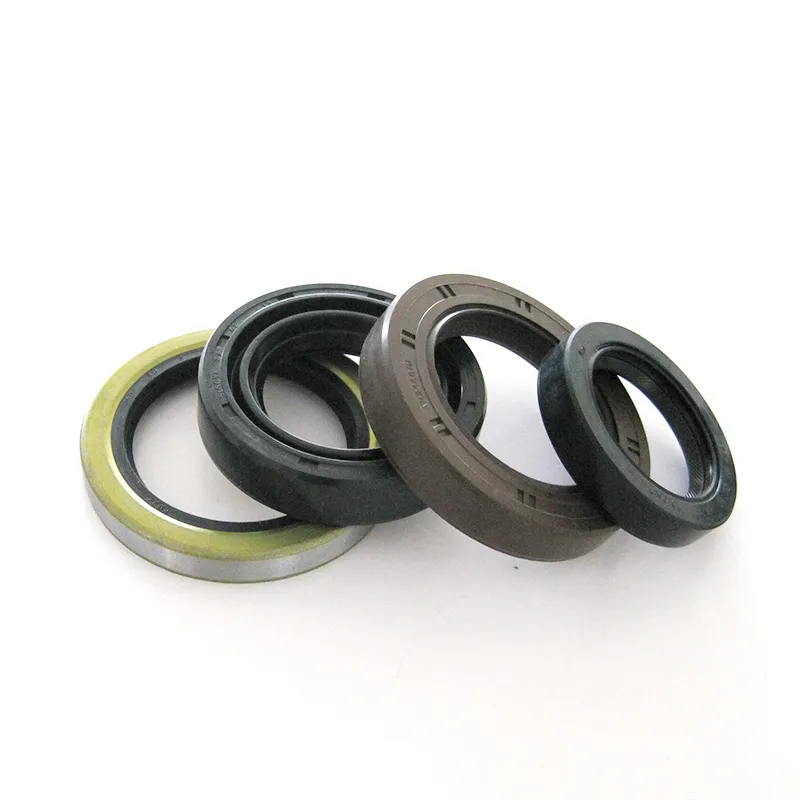
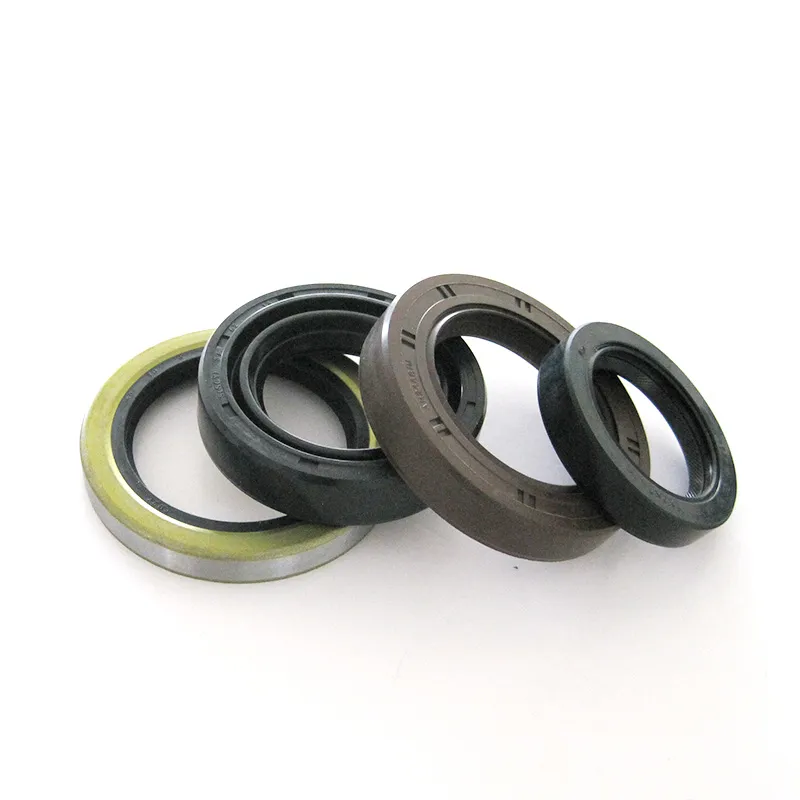
To understand a seal's usage scenarios, you first need to appreciate what it endures. A Nissan differential oil seal is not a simple rubber ring. It is a bonded assembly consisting of a rigid metal outer case that presses tightly into the axle housing, a flexible lip made from advanced fluoro-elastomer (FKM) for high heat and chemical resistance, and a tiny garter spring. This spring is a critical detail—it encircles the lip and maintains a constant, even radial load on the spinning shaft. As the seal lip wears microscopically over tens of thousands of miles, the spring compensates, keeping the lip in gentle but firm contact with the shaft’s polished sealing surface. It must seal a rotating shaft, meaning at 60 mph the pinion seal’s lip is riding a surface spinning thousands of times per minute, all while managing a film of gear oil only microns thick.
Scenario 1: The High-Mileage Daily Driver
Consider a well-used Nissan Rogue, Altima, or Pathfinder with over 120,000 miles on the clock, operating primarily on paved roads. Heat aging is the silent killer here. Over years of commuting, the differential fluid routinely reaches temperatures of 180°F to 220°F. This sustained thermal cycling slowly cures the elastomer lip, reducing its flexibility. The lip can no longer micro-conform to imperfections on the shaft.
The first symptom in this scenario is rarely a puddle. It may be a faint, speed-dependent hum from the rear that the driver dismisses as tire noise. This hum is often the pinion bearing crying out, starved of gear oil that has silently been flung out by a hardened, leaking pinion seal. The centrifugal force of the spinning companion flange creates a characteristic “spray pattern” of heavy oil mist and grime across the vehicle’s underbody and fuel tank. For a front-wheel-drive model, a failing axle seal inside the transaxle may leak fluid directly onto the inner CV joint boot, causing the rubber to swell and tear prematurely, or drip onto a hot catalytic converter, creating the acrid smell of burning gear oil inside the cabin.
Scenario 2: Towing and Heavy Hauling
This scenario defines the working life of a Nissan Titan, Armada, or NV3500. When towing a heavy trailer up a mountain grade, the differential’s ring and pinion gear set is under extreme shear stress. This dramatically spikes the oil temperature, often exceeding 250°F. The gear oil thins out, and the superheated housing transfers intense heat directly to the oil seal lips, accelerating embrittlement.
However, the most critical component in this scenario is not the seal itself but the differential breather. This is a small one-way valve located on top of the axle tube. As the differential heats up, internal air and oil vapor expand. The breather is designed to vent this pressure. In many work trucks, this breather can seize shut due to corrosion or road grime. When it fails, the expanding gases have nowhere to go. Internal pressure builds until it finds the weakest point—the dynamic oil seal lip. The internal pressure can literally lift the lip off the shaft, blowing gear oil past an otherwise healthy seal. A driver may park a dry truck after a long tow and return the next morning to a large puddle of oil directly under the pinion flange. The lesson here is critical: a sudden, high-volume seal leak is often a breather vent problem, not just a seal failure.
Scenario 3: The Off-Road Expedition
For the off-road community driving Nissan Xterras, Frontiers, and Patrols, the challenges multiply. The most destructive scenario is the water crossing. When a thoroughly heat-soaked axle housing is suddenly submerged in a cold mountain river, the rapid cooling creates an immediate vacuum inside the differential. The breather, if not fitted with an extended remote kit, can actually suck water in through a failed or factory-mounted low valve. Simultaneously, this vacuum can pull muddy water and abrasive silt directly past the pinion and axle seal lips into the housing. The gear oil transforms into a gritty, milkshake-like paste that destroys bearings and etches gear faces.
Another trail hazard is physical entrapment. A stick, a coil of discarded fence wire, or long grass can wrap around the driveshaft yoke just ahead of the pinion seal. As it spins, this debris abrades the seal lip or cuts a groove directly into the shaft’s surface. The result is often a catastrophic, instant loss of all gear oil while deep on a trail, miles from help. This is why seasoned off-roaders frequently inspect the pinion area for “wire wrap” and invest in differential skid plates that help deflect debris before it reaches the seal.
Reading the Signs and Smart Servicing
Recognizing where a leak originates tells you which seal has sacrificed itself. A heavy, grease-like build-up on the differential’s “nose” points to the pinion seal. A saturation of gear oil inside a rear brake drum or slung onto the inner wheel well points to a failed axle seal, which can destroy brake shoes.
When a seal is replaced, the repair demands precision. On a Nissan pinion flange, the nut torque sets the pinion bearing preload via a crush sleeve. A mechanic cannot simply impact the old nut back on—that changes the preload, leading to gear howl and rapid ring-and-pinion failure within a few thousand miles. Equally important is to inspect the shaft where the old seal rode. If a groove has been worn into it, a standard new seal will leak immediately. The fix is a “Speedi-Sleeve,” an ultra-thin stainless steel repair sleeve that is pressed over the damaged area, providing a flawless new running surface for the fresh seal.
Preventive maintenance is your best defense. Change the differential fluid at intervals recommended in your Nissan service manual, using the correct GL-5 weight. Most importantly, physically remove, clean, and verify the one-way operation of the differential breather at every major service. For any Nissan that sees dust, water, or heavy loads, extending that breather up into the engine bay with a simple hose and fuel filter kit is a low-cost modification that dramatically extends the life of your differential and its silent, hard-working oil seals. Understanding these scenarios turns a simple seal from an anonymous ring of rubber into a respected component, one that you now know how to protect.
For a complete selection of **Genuine Nissan differential and drive shaft oil seals** matched to your specific model, you can browse our full catalog and check current prices at **[GREAT SEAL](https://www.gsealing.com/)**.




























Sign in to leave a comment.