
Introduction
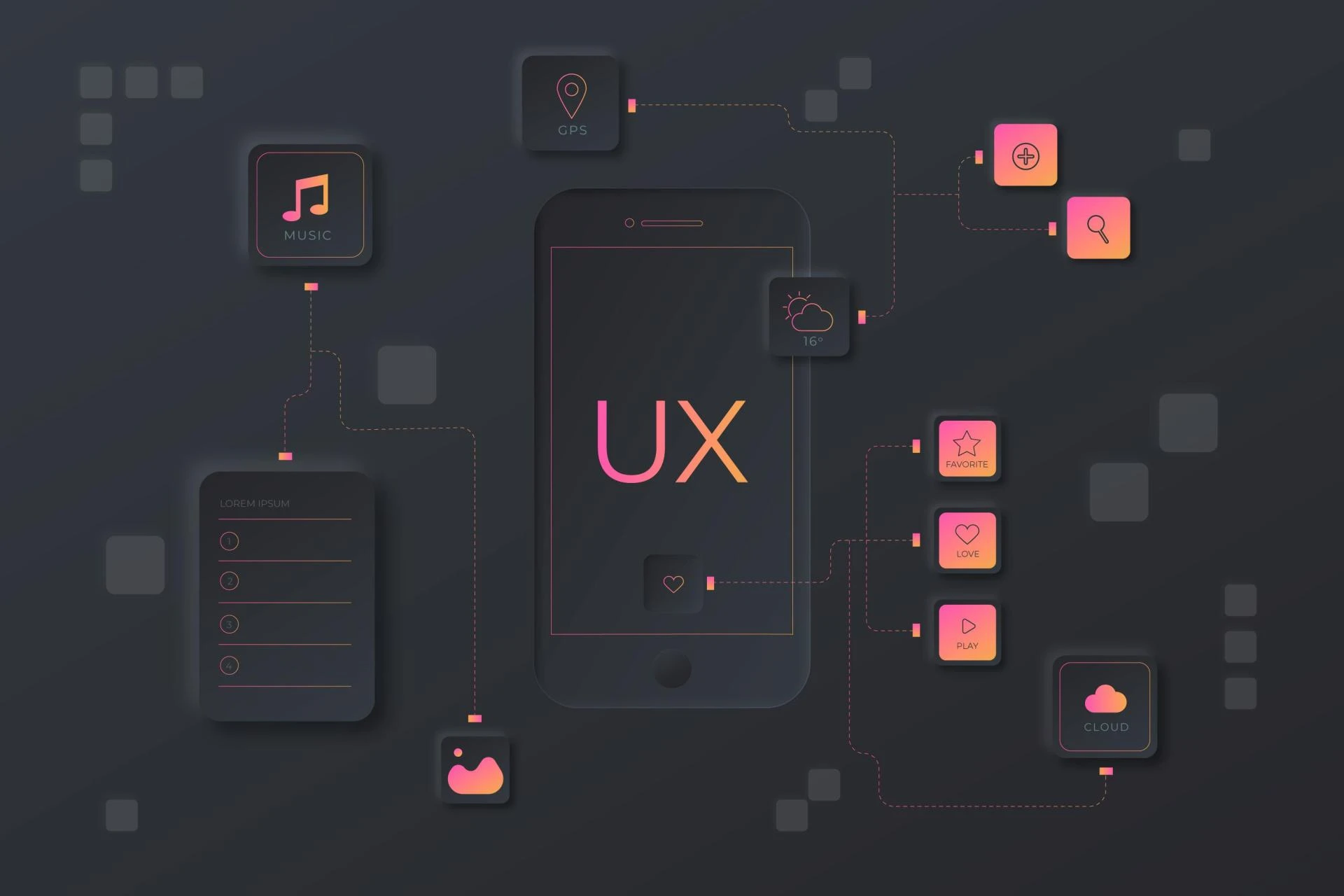
User-centric design is a philosophy that prioritizes the needs and preferences of users in the design process. It emphasizes understanding the user's perspective, involving users in the design process, and creating iterative designs that evolve based on user feedback. This article explores the art of user-centric design and its importance in creating products and services that resonate with users.
Understanding User-Centric Design
User-centric design is an approach to design that focuses on creating products and services that are tailored to meet the needs and preferences of users. It involves understanding the goals, motivations, and behaviors of users and using that information to inform the design process.
The Importance of User-Centric Design
User-centric design is important because it helps ensure that products and services are relevant and useful to users. By understanding the needs and preferences of users, designers can create products that are intuitive, easy to use, and enjoyable.
Key Principles of User-Centric Design
Understanding User Needs: Designers must have a deep understanding of the needs and preferences of users.Involving Users in the Design Process: Users should be involved in the design process from the beginning to ensure that their needs are met.Iterative Design: Design is an iterative process, and designers should be willing to refine and improve their designs based on user feedback.Empathy in Design: Designers should empathize with users and strive to create designs that are sensitive to their needs and feelings.User-Centric Design Process
Research: Conduct research to understand the needs and preferences of users.Analysis: Analyze the research data to identify key insights and trends.Ideation: Generate ideas for design solutions based on the research and analysis.Prototyping: Create prototypes of the design solutions to test with users.Testing: Test the prototypes with users to gather feedback and refine the designs.Benefits of User-Centric Design
User-centric design has several benefits, including:
Increased user satisfactionHigher product adoption ratesReduced development costsIncreased brand loyaltyChallenges of User-Centric Design
Despite its benefits, user-centric design also has challenges, such as:
Balancing user needs with business goalsObtaining accurate and actionable user feedbackEnsuring that designs are scalable and feasibleExamples of Successful User-Centric Design
Some examples of successful user-centric design include:
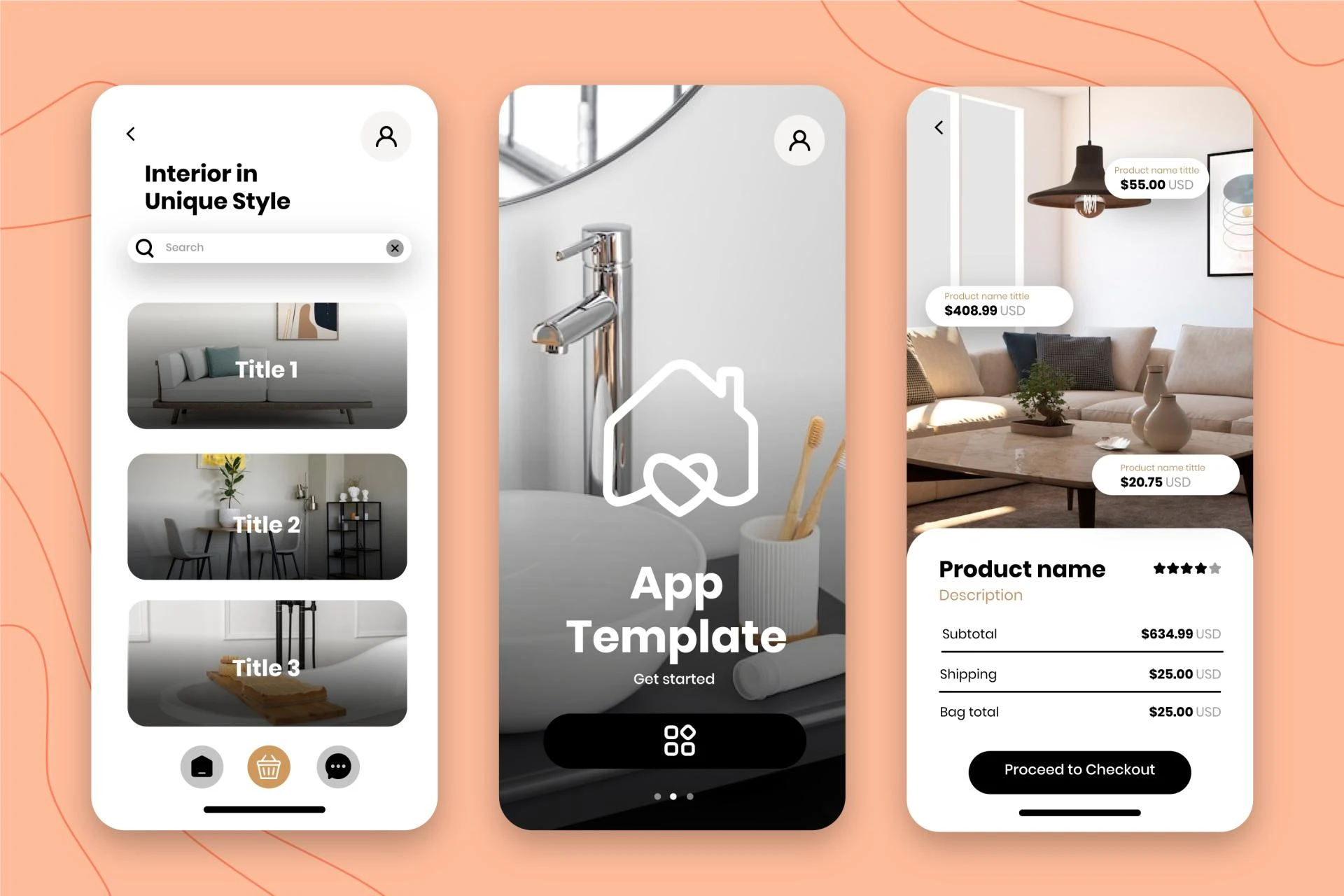
The iPhone, which revolutionized the smartphone industry with its intuitive user interface.Airbnb, which has created a platform that makes it easy for users to find and book accommodations.Conclusion
User-centric design is a powerful approach to design that prioritizes the needs and preferences of users. By understanding users and involving them in the design process, designers can create products and services that are relevant, useful, and enjoyable.
Visit my Upwork profile for — UI/UX design, Web Design, Mobile design & Web app designer
Check out my amazing project catalog — iOS or Android Mobile APP UX/UI Design, Responsive website design & Crypto & NFT Mobile App UI Design























Sign in to leave a comment.