


Uneven skin tone is one of the most common skincare concerns. It can show up as dark spots, dullness, patches, or redness—and often feels stubborn to treat. But the right skincare routine can make a big difference.
Whether your uneven tone comes from sun damage, acne scars, or hormonal changes, a consistent skincare routine can help prevent and reduce it. You don’t need expensive products or a 10-step ritual—just the right ingredients used the right way.
Let’s break down a simple, effective skincare routine that helps brighten your complexion and promote healthy, even-toned skin.
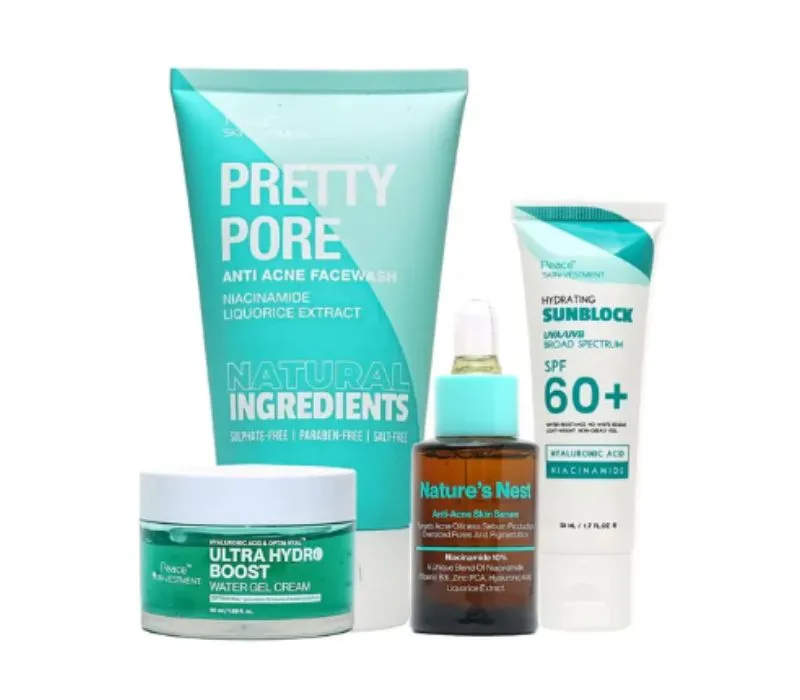
Step 1: Gentle Cleanser (Morning & Night)
Start and end your day by cleansing your face. Cleansing removes dirt, oil, pollution, and leftover makeup that can clog pores and cause irritation.
Choose a gentle, non-stripping cleanser that suits your skin type. Avoid harsh face washes that leave your skin feeling tight, as they can damage the skin barrier and make pigmentation worse.
✅ Look for:
Gel cleansers for oily skin
Cream or milk cleansers for dry or sensitive skin
pH-balanced formulas
Step 2: Toner or Essence (Optional, but Helpful)
A toner helps balance your skin after cleansing and prepares it for the next steps. Some essences also hydrate and contain brightening ingredients that target uneven tone.
If you use one, choose a hydrating toner with ingredients like niacinamide or licorice extract, both known to help fade dark spots over time.
Step 3: Targeted Treatment Serum (Morning &/or Night)
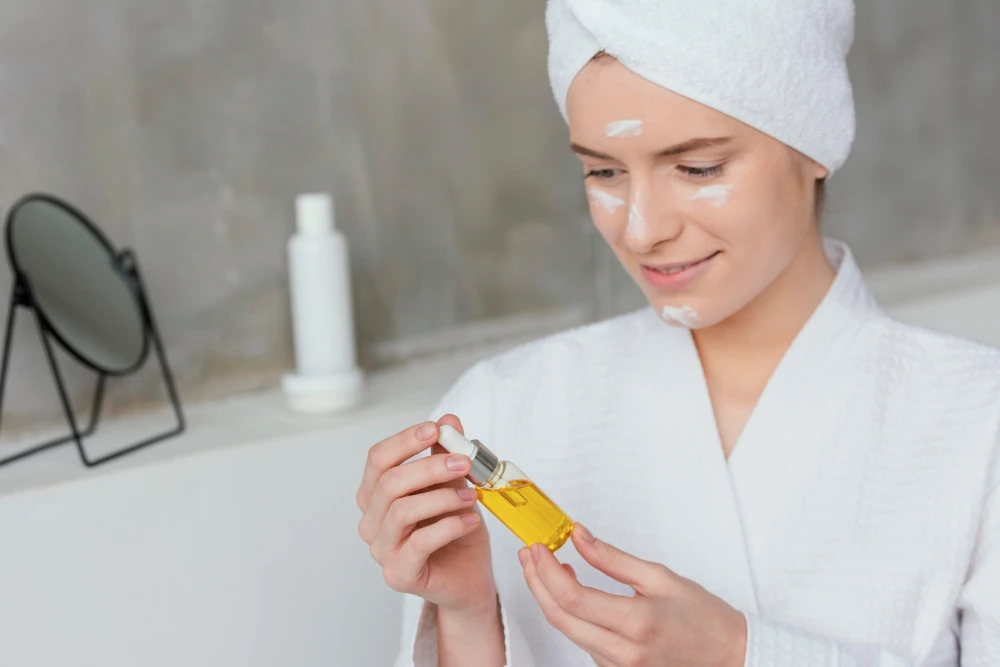
This is the most important step for uneven skin tone. A serum is a lightweight product that delivers active ingredients deep into your skin. Choose a serum based on your specific skin concern:
🔸 Vitamin C (morning): Brightens skin, reduces sun damage and pigmentation
🔸 Niacinamide (morning or night): Reduces redness, dark spots, and oiliness
🔸 Alpha Arbutin or Kojic Acid (night): Gently fades dark spots and melasma
🔸 Azelaic Acid (night): Great for sensitive, acne-prone skin with uneven tone
🔸 Retinol (night): Boosts cell turnover and fades stubborn marks (use with caution)
Start slow—use once or twice a week and increase as your skin adjusts.
Step 4: Moisturizer (Morning & Night)
Moisturizing helps protect your skin barrier and lock in hydration. Even oily skin needs moisture to stay balanced.
Choose a moisturizer that suits your skin type and contains ingredients like:
Ceramides – for skin barrier repair
Glycerin or Hyaluronic Acid – for hydration
Niacinamide or Panthenol – to calm and even skin tone
This step is essential to support all the treatments you apply before it.
Step 5: Sunscreen (Morning – No Exceptions!)
UV exposure is the #1 cause of uneven skin tone, dark spots, and aging. If you’re not using sunscreen daily, all your other efforts may go to waste.
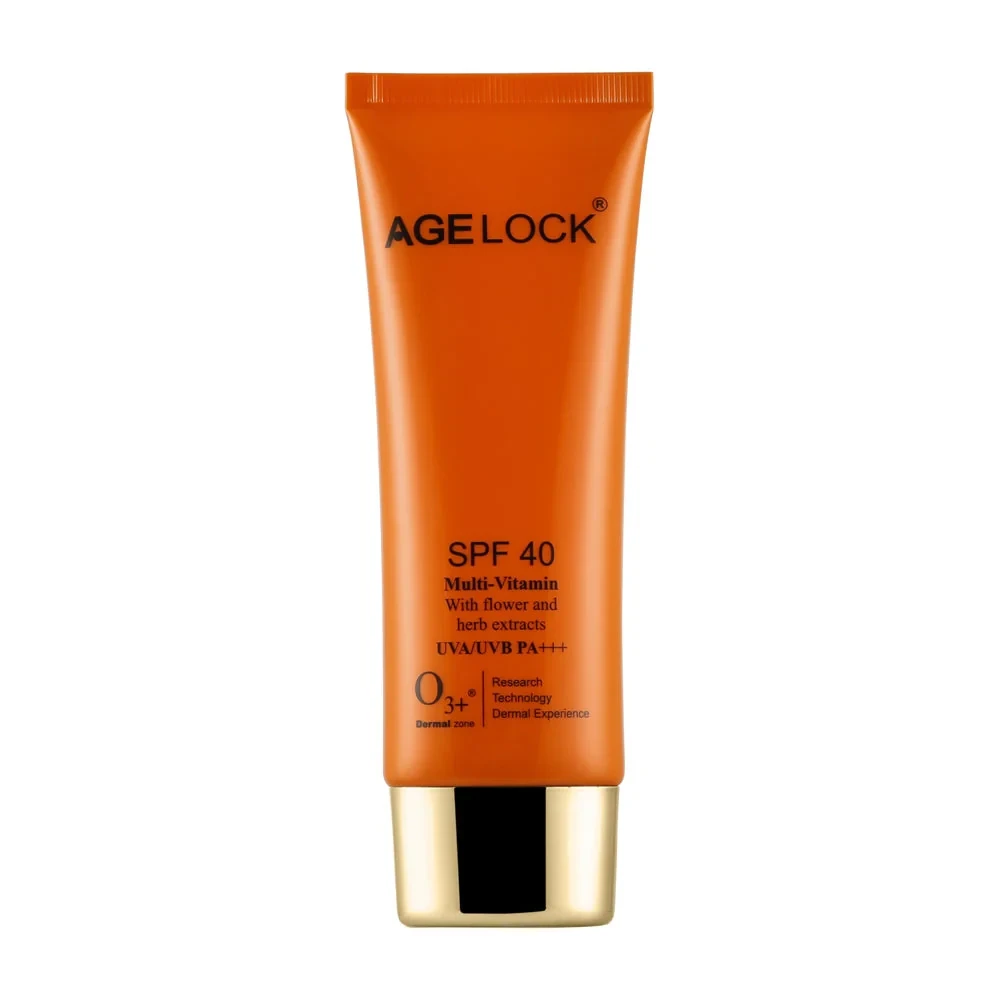
Use a broad-spectrum SPF 30 or higher every single morning, even on cloudy days or when indoors. Reapply every 2–3 hours if you're outside or near windows.
✅ Choose lightweight, non-greasy formulas to avoid clogged pores.
Bonus: Weekly Exfoliation (1–2 Times a Week)
Exfoliation helps remove dead skin cells and speeds up skin renewal, allowing brighter, fresher skin to come through.
Use chemical exfoliants like:
Lactic acid or Mandelic acid (gentle)
Glycolic acid (stronger but effective for dullness)
Avoid harsh physical scrubs that can irritate your skin and worsen pigmentation.
Conclusion
To reduce uneven skin tone you should be a consistent and smart routine can give you real results. Cleanse gently, treat with the right ingredients, hydrate your skin, and never skip sunscreen.
You don’t need a shelf full of products—just the right ones that work for you. Stick with your routine, and over time, you’ll see brighter, more even, and healthier skin.
Read Also:
Why Dermatologists Recommend Micellar Water for Daily Cleansing?
5 Expert Tips to Even Out Skin Tone on Your Body

























Sign in to leave a comment.