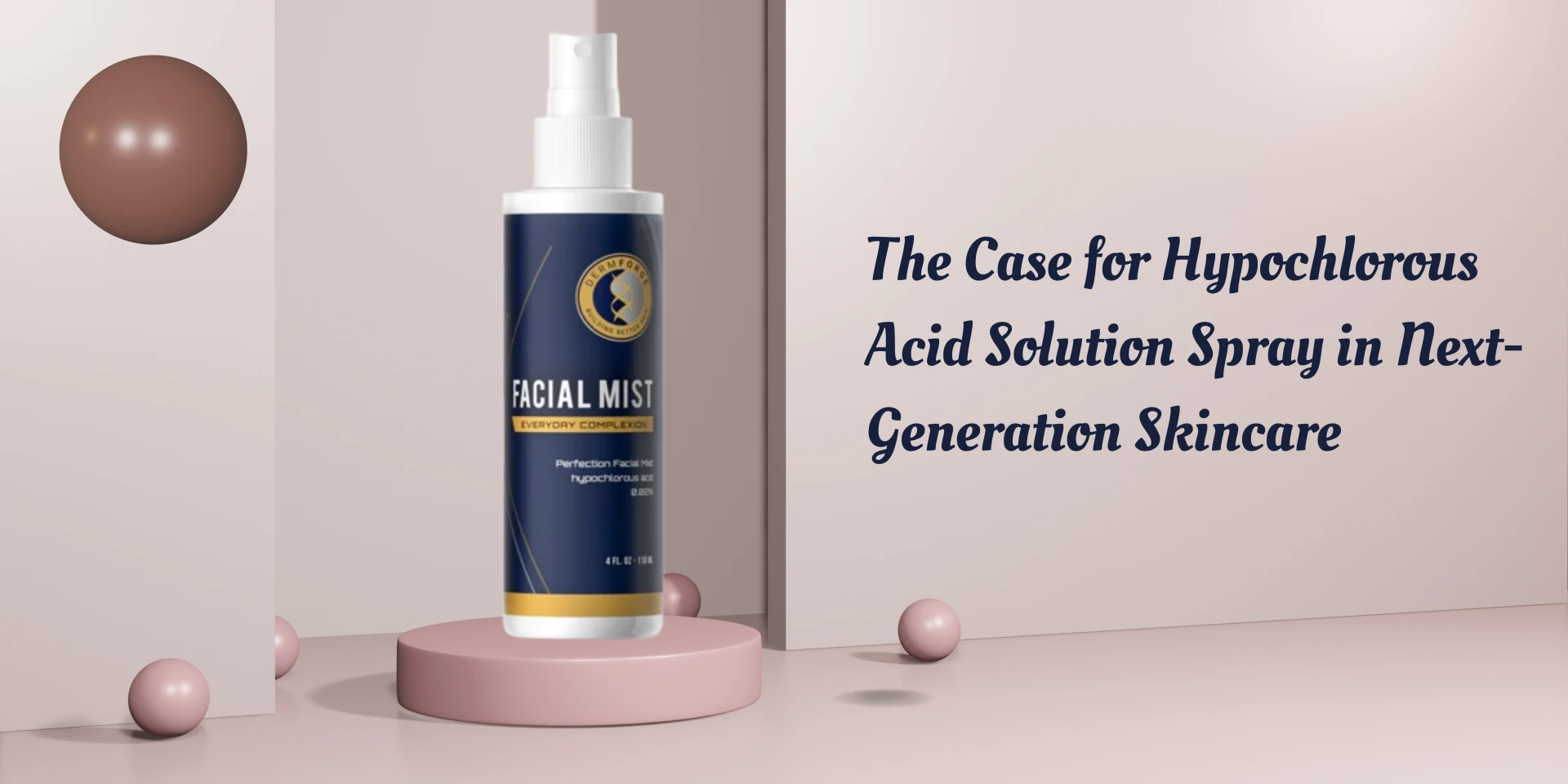
When we talk about game-changing skincare, most minds go to retinoids, peptides, or vitamin C. But what if one of the most impactful ingredients wasn’t a lab-engineered molecule—but something your own immune system makes daily? That’s the story of hypochlorous acid solution spray, a product category reshaping how dermatologists, estheticians, and skin barrier scientists think about inflammation, microbiome balance, and post-treatment care.
More Than a Disinfectant: The Science of Hypochlorous Acid in the Skin
Hypochlorous acid (HOCl) is naturally produced by neutrophils—white blood cells that form a first line of defense in your immune system. When your skin detects injury or bacterial invasion, neutrophils release HOCl as a precise, targeted oxidant to neutralize pathogens without harming surrounding tissue.
What makes hypochlorous acid solution spray special is that modern formulations now replicate this molecule in stable, pH-balanced topical formats. We’re no longer talking about HOCl as a sterilizing agent in hospitals (though that history exists); we're talking about a molecule that’s finally being respected for its biocompatibility in skincare.
A Targeted Approach to Inflammation and Barrier Disruption
Unlike harsh antibacterial products that indiscriminately wipe out skin flora, hypochlorous acid solution spray can suppress overgrowth of harmful microbes (like Staphylococcus aureus) while leaving the beneficial skin microbiome largely undisturbed. This distinction matters deeply for conditions like eczema, perioral dermatitis, and reactive skin types, where an overly aggressive routine often makes things worse.
HOCl helps reduce redness, itchiness, and post-inflammatory pigmentation not by masking symptoms—but by acting directly on triggers: inflammation mediators, cytokines, and biofilms. In other words, it doesn’t just clear what’s on the surface. It quiets the conversation happening at a cellular level.
Sterile Skincare for Non-Sterile Environments
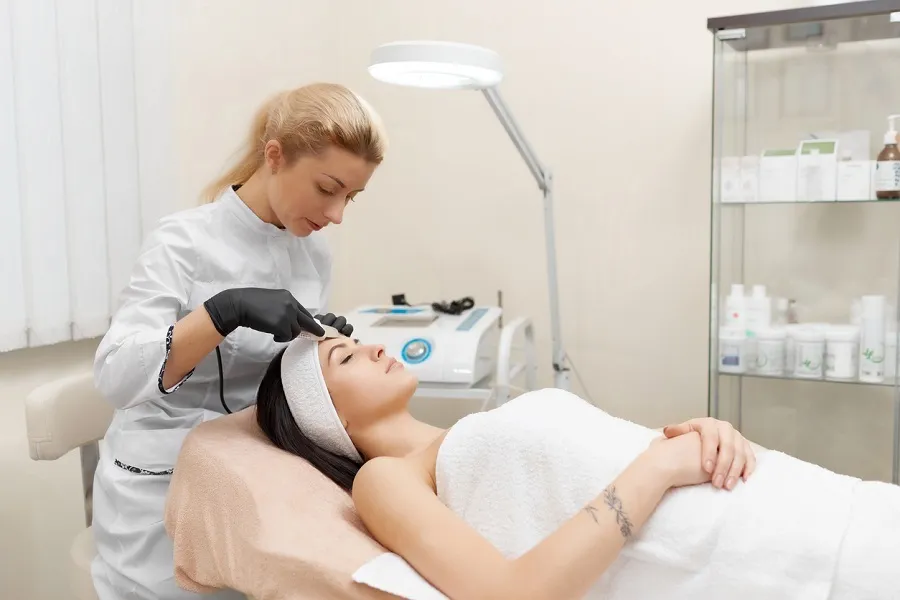
One of the most fascinating uses of hypochlorous acid solution spray is in environments where skin has been compromised—laser treatments, microneedling, extractions, or even surgical wounds. Clinics now use HOCl sprays post-procedure to calm the skin, reduce downtime, and create a protective layer without the stickiness of occlusive balms.
Unlike alcohol-based solutions or benzoyl peroxide, HOCl can be sprayed directly onto open skin without stinging or disrupting healing. For dermatologists, this has changed how post-treatment care is managed—patients now have a non-prescription option that supports skin recovery in the hours and days following professional treatments.
Acne, Rosacea, and the Future of Low-Irritation Actives
Acne-prone skin is often trapped between two extremes: overly stripping products that dry and inflame or thick emollients that clog pores. Hypochlorous acid solution spray offers a middle path. It’s water-light, non-comedogenic, and has natural antimicrobial properties without triggering irritation.
What’s emerging is a new model for acne management that’s less about aggressive oil removal and more about regulating the skin environment. Spraying HOCl twice daily, particularly after workouts or sweating, helps manage microbial imbalance and soothe the micro-injuries that often precede a breakout.
In rosacea-prone skin, where flushing and pustules are linked to inflammatory triggers and Demodex mites, hypochlorous acid solution spray may also offer relief. It addresses inflammation without the vasoconstrictive effects of topical steroids or the dryness of metronidazole.
How Formulation Affects Performance
It’s important to understand that not all HOCl sprays are created equal. The molecule is inherently unstable in water and degrades quickly if the solution isn’t buffered to a precise pH (typically 4.5–6.5). The real advancement in skincare-grade hypochlorous acid solution spray lies in proprietary stabilization processes.
Look for products with:
- Electrochemically activated (ECA) water as the base
- Clear labeling of HOCl concentration (usually between 100–200 ppm for facial use)
- Airless or opaque packaging to prevent oxidation
- No added alcohol, fragrance, or preservatives
Some brands use weak hypochlorite or bleach-adjacent compounds and still call it HOCl. These can irritate the skin and undermine the benefits of a true HOCl solution. Understanding sourcing and formulation integrity is key to using HOCl safely and effectively.
Integration Into a Routine Without Overcomplication
You don’t need to redesign your skincare routine to incorporate hypochlorous acid solution spray. In fact, that’s one of its strengths—it works alongside actives like niacinamide, azelaic acid, or ceramides without competing or interfering.
Here are three ways to integrate it:
- As a first step post-cleansing: Spray directly onto clean skin before applying serums or moisturizers.
- As a post-exercise or midday reset: Keep a travel-size bottle in your bag to neutralize sweat and bacteria buildup.
- As post-treatment care: Use after shaving, waxing, peels, or any skin disruption to speed up recovery.
Since it's not an exfoliant or occlusive, it fits neatly between existing steps without crowding your regimen.
The Psychological Component: Spray, Don’t Touch
Another overlooked benefit of HOCl sprays is the non-contact application. For individuals with acne excoriée (skin-picking), inflamed cysts, or post-procedure sensitivity, touching the face with cotton pads or fingertips can introduce bacteria and worsen inflammation.
A spray bottle solves that. It gives users the ability to treat skin without physical contact—reducing the risk of contamination and reinforcing a more mindful, less invasive skincare ritual.
Beyond Skin: Secondary Uses with Real Value
While this blog focuses on skincare, the applications of hypochlorous acid solution spray extend into other personal care and health categories:
- Wound care for cuts, scrapes, and abrasions
- Oral rinses (when formulated specifically for mucosal safety)
- Lash extensions or blepharitis treatment when used near the eyes
- Maskne prevention by misting the inside of masks
This versatility has made HOCl a favorite among dermatologists, athletes, and even surgeons for its multi-function use across environments.
Conclusion: The Quiet Power of a Simple Molecule
In an industry dominated by high percentages and chemical complexity, hypochlorous acid solution spray proves that simplicity and biological compatibility still matter. It doesn’t promise instant transformation, but it offers a steady foundation: inflammation control, microbiome support, and gentle protection.
This is not another trend ingredient—it’s a rediscovery of what the body already knows how to make. The difference now is we can harness it, bottle it, and use it as part of a thoughtful, effective routine that respects the skin rather than overpowering it.












Sign in to leave a comment.