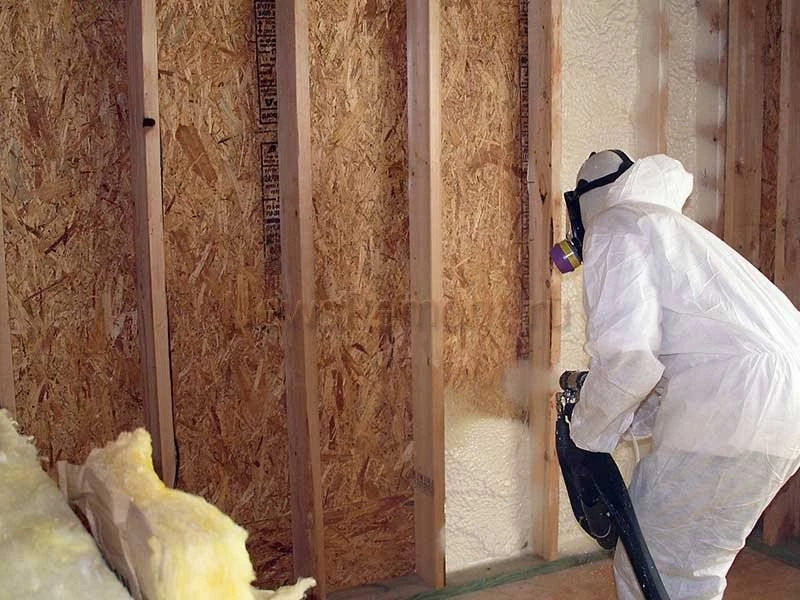

Closed cell spray foam insulation provides superior indoor comfort by creating a total air seal and providing high thermal resistance per inch of thickness. This material stops air movement through walls and ceilings, preventing the cold drafts and hot spots common in New England homes. Because the cells are tightly packed and filled with a specialized gas, the material also acts as a built-in vapor barrier, effectively managing humidity levels.
Property owners often choose closed cell spray foam insulation to stabilize indoor temperatures and reduce the strain on heating and cooling systems. Professional application ensures that every small gap is filled, which blocks outside pollutants and noise from entering the living space. This article explains the technical advantages of this high-density material and how it transforms the daily lives of residents in areas like Springfield.
Superior Thermal Performance and Total Air Sealing
High-density foam offers an impressive R-value of 6.0 to 7.0 per inch. This high level of resistance to heat flow allows property owners to achieve better results with less material compared to traditional fiberglass batts. Professionals use this material to create a continuous thermal envelope that keeps conditioned air inside the building.
By stopping air leakage, this insulation addresses the primary cause of energy waste in residential structures. Market data indicates that air infiltration can account for up to 40% of a typical home's total heat loss. Sealing these leaks results in more consistent temperatures across different floors and rooms.
Eliminating Drafts and Cold Spots
Drafts often occur near windows, doors, and floor joists where building materials meet, leaving small cracks. Specialized spray foam expands upon application, filling these voids and creating a permanent bond with the structure. This prevents outdoor air from entering the home, which is especially important during the windy winter months in Massachusetts.
When the air seal is complete, the HVAC system does not have to work as hard to maintain the desired thermostat setting. This leads to a quieter home environment because the furnace or air conditioner runs less frequently. Residents notice an immediate improvement in comfort once drafts are eliminated.

Reducing HVAC System Workload
A well-insulated building envelope reduces the peak loads on heating and cooling equipment. This allows for the installation of smaller, more efficient units when it is time to replace old machinery. Properly sealed homes also experience fewer mechanical failures because the systems do not have to cycle on and off as often.
By maintaining a stable internal temperature, the insulation protects the longevity of the entire HVAC system. This long-term efficiency is a significant reason why specialists recommend high-density foam for new construction and major retrofits. It provides a level of performance that loose-fill materials simply cannot match.
Bonus Tip: Check Your Rim Joists
One of the most effective ways to stop basement drafts is to apply closed cell foam to the rim joists. This area is a frequent source of air leaks, making the first floor feel cold and uncomfortable. Sealing this section can significantly reduce overall energy consumption.
Maximizing Every Square Inch
Because this material is so dense, it provides maximum thermal protection even in narrow wall cavities. This is helpful for older homes with thin walls that need an efficiency boost without losing interior space. Professionals can apply a thin layer to achieve the same R-value that would require much thicker layers of traditional materials.
Moisture Management and Structural Integrity
Closed cell foam is unique because it is water-resistant and does not allow moisture to pass through its structure easily. This makes it an ideal choice for areas prone to moisture, such as basements and crawl spaces. By acting as a vapor retarder, the foam prevents mold and mildew from growing behind walls.
In addition to moisture control, this material adds significant strength to the building frame. Market data shows that closed cell foam can increase the racking strength of a wall by up to 300 percent. This added rigidity helps the structure withstand high winds and heavy snow loads.
Comparing High Density Foam to Traditional Materials
The following table highlights the differences between closed cell foam and other common insulation types. This comparison helps property owners understand why high-performance materials are worth the investment.
| Feature | Closed Cell Foam | Fiberglass Batts | Cellulose |
|---|---|---|---|
| R-Value Per Inch | 6.0 to 7.0 | 3.1 to 3.4 | 3.2 to 3.8 |
| Air Sealing | Built-in | None | Minimal |
| Moisture Resistance | High | Low | Low |
| Structural Support | High | None | None |
| Lifespan | Permanent | Sags over time | Settles over time |
Things to Consider Before Making a Decision
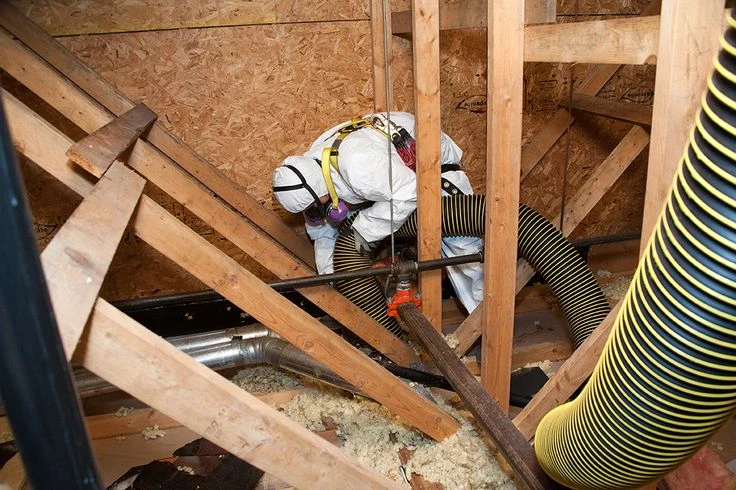
Property owners should evaluate their specific goals before selecting an insulation material. While high-density foam offers the best performance, it requires professional installation to ensure safety and effectiveness. It is also important to consider the total cost of ownership rather than just the initial price.
- Assess the age and condition of the existing insulation to determine whether removal is necessary.
- Determine if the area requires a vapor barrier based on local humidity levels.
- Verify that the service provider uses industrial-grade equipment for a proper mix.
- Check for local building codes regarding fire-protective coatings for exposed foam.
Regional Benefits for Massachusetts Properties
The climate in New England demands a versatile insulation system that can handle both extreme cold and high humidity. Closed cell foam is particularly effective in this region because it addresses both thermal loss and moisture infiltration. It helps prevent ice dams by keeping the roof deck at a consistent temperature.
During the summer, the foam blocks humid outdoor air from entering the home, making air conditioning much more effective. This year-round protection ensures that the house remains a comfortable sanctuary regardless of the season. Experts suggest that sealing the building envelope is the single best way to prepare for New England weather.
- Apply foam to attic rafters to create a conditioned attic space for storage.
- Seal basement walls to prevent the cold, damp feeling in lower levels.
- Use high-density foam in garage ceilings to protect living spaces above.
- Prioritize areas around plumbing stacks where air leakage is most common.
Winter Warmth and Ice Dam Prevention
Ice dams occur when heat escapes from the house and melts snow on the roof, which then refreezes at the gutters. By sealing the top plates and roofline with closed cell foam, professionals stop the heat transfer that causes this problem. This protects the roof from water damage and extends the life of the shingles.

Bonus Tip: Inspect Your Attic Entry
A common spot for heat loss is the attic hatch or pull-down stairs. Using a specialized foam cover or weather stripping in this area prevents warm air from rising into the unconditioned attic. This small step complements the main insulation to improve the thermal seal.
Common Questions Regarding Property Comfort
How does closed cell foam help with indoor air quality?
By creating an airtight seal, this material prevents outdoor dust, pollen, and other allergens from entering the home. This leads to a cleaner indoor environment and can be helpful for residents with respiratory sensitivities.
Is the material safe for use in residential basements?
Yes, it is a preferred choice for basements because it does not absorb water and prevents moisture from reaching the wooden framing. This reduces the risk of wood rot and helps keep the basement dry and usable.
How long do the comfort benefits of this insulation last?
The benefits are permanent because the material does not sag or lose its shape over time. Once installed correctly, it provides the same level of thermal resistance and air sealing throughout the building's life.
Can this material be applied in existing homes?
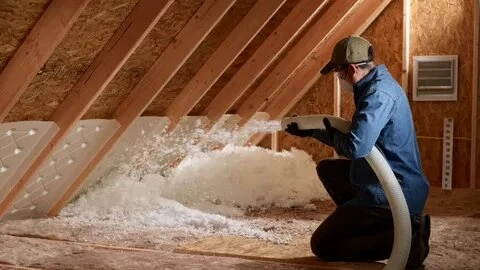
It can be applied to any open wall cavity or attic space during a renovation. If the walls are already closed, professionals often focus on the attic and basement to create a more efficient thermal envelope.
Does the installation process take a long time?
Most residential projects can be finished in one to two days depending on the size of the area. Professional teams handle the preparation and cleanup to ensure the project goes smoothly and quickly.
Final Summary of Efficiency Goals
Choosing the right insulation is a long-term investment in a property's comfort and value. Closed cell foam offers a combination of thermal resistance, air sealing, and moisture control that other materials cannot provide. By creating a stable indoor environment, it allows residents to enjoy their homes more while spending less on utilities.
It is helpful to work with experienced specialists who understand the local climate and structural needs. A professional assessment can reveal the best ways to improve a building's performance and eliminate energy waste. Ultimately, a well-insulated home is a safer and more comfortable place to live for many years.
Professional Assistance from Local Specialists
When seeking reliable performance, many property owners contact Lamothe Spray Foam Insulation for its expertise in high-density foam applications. They provide a range of services designed to improve building efficiency, including mineral wool and cellulose options. Their team uses the latest technology to ensure every project meets high standards of quality and durability.
For more information or to discuss a specific project, residents can reach them at (508) 847-0119. They are also available via email at [email protected] to answer questions about material choices and project timelines. Hiring a dedicated provider like Lamothe Spray Foam Insulation ensures that the installation is handled with the care and precision required for lasting results.
Author: With over two decades of hands-on experience, Robert Lamothe, owner and lead installer of Lamothe Insulation, brings unparalleled expertise in spray foam insulation, carpentry, and building science. Since 2002, he has earned a reputation for precision, quality craftsmanship, and delivering energy-efficient solutions that stand the test of time. Lamothe Insulation is a family-owned and family-operated business, and Robert also owns the Goddard School of Auburn, an early childhood education school.
Reviewer: Ethan Taylor has 8 years of experience in spray foam insulation. He reviewed this content and suggested ways to simplify business outreach while maintaining trust and professionalism.




























Sign in to leave a comment.