
Nowadays, many companies, organizations, and businesses are finding that the old way of managing user permissions is becoming obsolete. Well, the question arises, why? This is particularly because the Indian regulatory landscape has introduced a unique entity known as the "Consent Manager." Look, what looks like a simple technical interface on the surface—where a user clicks "Yes" or "No"—is actually a sophisticated legal framework designed to give individuals total control over their information. If your business is still relying on messy, unorganized spreadsheets to track data collection consent, you are effectively sitting on a ticking legal time bomb.
This is why, to avoid massive legal complications and to stay ahead of the digital curve, businesses are prioritizing an understanding of how these new intermediaries work. Having said that, in this blog, we will discuss everything you need to know about the Consent Manager system under the personal data protection act, along with the key factors that can make your compliance journey smoother and stress-free. So, scroll down and read on for more information.
What is the Consent Manager and Why Does It Matter?
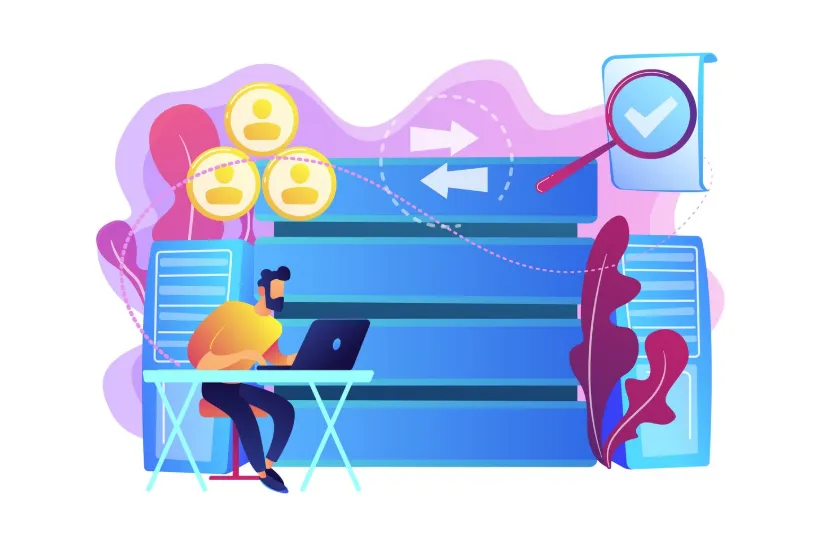
The concept of a Consent Manager is one of the most innovative parts of the Digital Personal Data Protection Act. It is basically a simple process of introducing a registered intermediary that acts on behalf of the individual (the Data Principal). Instead of a user having to manage their permissions across hundreds of different apps and websites individually, they can use a single platform to see, give, withdraw, and manage their permissions in one place.
Data Collection Consent: Under the DPDP framework, this refers to a clear, affirmative, and voluntary agreement by an individual to allow a Data Fiduciary to process their personal information for a specific, documented purpose.
For data fiduciaries, this means you can no longer just hide a consent clause in your Terms and Conditions. You must interact with these registered managers to ensure that the personal data you are processing is backed by a valid, verifiable permission. In-house tech teams often find it difficult to build these integrations from scratch, and this is where professional help becomes a valuable asset for maintaining data privacy india standards.
The Role of the Consent Manager in Your Compliance Strategy
Under the official notifications, Consent Managers are required to be registered with the Data Protection Board. They are accountable to the user, not the business. This shift is massive for data protection india. Truly, by recognizing this role early, businesses gain peace of mind and professional help in managing the lifecycle of every permission they hold.
A typical Consent Manager performs the following tasks:
- Providing a "SARAL" (Simple, Accessible, Rational, Actionable) notice to users.
- Maintaining a timestamped log of when data collection consent was given or taken away.
- Enabling users to "pause" or "revoke" their permissions instantly.
- Providing a secure portal for users to review exactly what personal data a company is currently holding.
Why the Use of Consent Managers in India Is Increasing
Indian digital regulations change frequently, and the DPA act (Data Protection Act) now puts a heavy premium on transparency. Thus, keeping track of every single user’s permission status while running a high-speed business becomes tough and difficult. Truly, by leveraging a registered Consent Manager, businesses gain a "shield" of compliance. It proves to the regulators that you aren't just taking data—you are respecting the user’s choice through a verified third party.
Benefits of a strong consent management strategy:
- Fewer Legal Notices: Automated logs mean you always have proof of compliance ready for an audit.
- Higher Customer Trust: Users feel empowered when they can see and manage their personal data easily.
- Complete Statutory Compliance: Meeting the strict "Notice and Consent" requirements of the Digital Personal Data Protection Act.
- Reduced Operational Friction: Your marketing and sales teams know exactly who they are legally allowed to contact.
- Better Focus on Innovation: You build features based on "clean" data from users who actually want to engage with you.
Challenges in Implementation: What Businesses Must Face
Look, moving to a Consent Manager framework isn't just about flipping a switch. It requires a total audit of your current data entry points. Are your API calls compliant? Is your database communicating with the Consent Manager in real-time? Staying compliant with such checklists might become difficult for employers as their business grows. This is where outsourcing to a professional compliance service provider in India comes in to help. These experts ensure that your backend systems are "talking" to the regulatory intermediaries correctly, reducing the risk of a compliance gap.
Conclusion
Selecting a modern approach to data collection consent through a Consent Manager is the first step toward future-proofing your business. From the personal data protection act mandates to the technicalities of data privacy india, it may be an astute business choice to reorganize your permission systems today. If you find yourself overwhelmed by the technicalities of these new intermediaries, maybe you need expert help to take care of it for you, so you can better attend to your business’s growth.
Ready to protect your business from legal and financial risks? At RuleExpert, we take all the responsibilities of compliance audits and risk assessment so that you can focus on growing your business safely. From data protection india audits to crisis management, our services ensure reliability and peace of mind for every Data Fiduciary.

























Sign in to leave a comment.