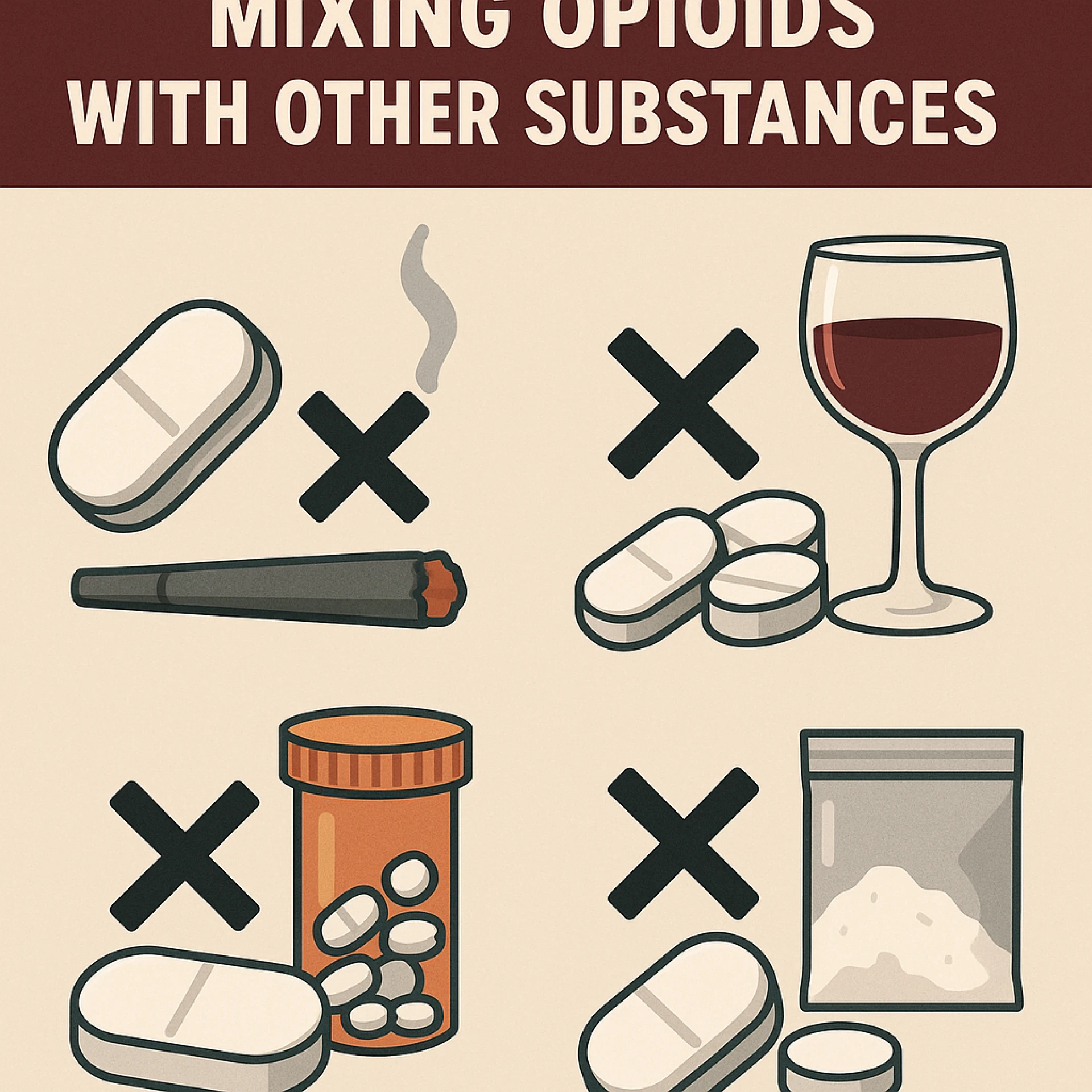

No one sets out to create a dangerous situation when they take medication. But when opioids are mixed with other substances whether by accident or in search of stronger relief the consequences can be life-altering or even fatal.
If you or someone you love is using prescription opioids, it’s vital to understand just how risky it can be to combine them with alcohol, benzodiazepines, or even over-the-counter medications. What may seem harmless could become incredibly dangerous in an instant.
Why Mixing Substances with Opioids Is So Dangerous
Opioids like oxycodone and hydrocodone already have powerful effects on the brain and body. They slow your breathing, dull pain, and can cause drowsiness or confusion. When you add other substances especially ones that affect the central nervous system the risks multiply fast.
Your body may not be able to handle the combined depressant effects, and that can lead to overdose, coma, or death.
“Polysubstance use is more than just risky it’s often deadly. The majority of opioid overdose deaths involve more than one drug.”
Centers for Disease Control and Prevention (CDC)
Common Substances Often Mixed with Opioids
1. Alcohol
Alcohol and opioids are both depressants. Together, they dramatically slow your heart rate and breathing. Even small amounts of alcohol can turn a therapeutic dose of opioids into a life-threatening situation.
2. Benzodiazepines (like Xanax or Valium)
These are frequently prescribed for anxiety or sleep issues. But combining benzos and opioids is especially dangerous. The FDA warns that mixing the two can severely depress your respiratory system and significantly increase the risk of overdose.
3. Other Prescription Medications
Even drugs you might not think twice about like muscle relaxants, antihistamines, or sleep aids can interact with opioids. They may increase sedation or respiratory depression without you realizing the danger.
A Closer Look: Oxycodone vs Hydrocodone
Understanding the type of opioid you’re taking is just as important as knowing what it’s mixed with. Not all opioids affect your body the same way. For example, oxycodone vs hydrocodone both are commonly prescribed for pain, but they differ in strength, how quickly they act, and how your body processes them.
Knowing these differences can help you or your loved one avoid accidental overdoses or interactions that may be more severe depending on the medication.
What Mixing Substances Feels Like And Why It’s Hard to Stop
People don’t usually mix drugs with the intention of harming themselves. Often, it starts with chasing a better high, managing withdrawal symptoms, or trying to numb emotional pain.
But the issue is: once substances start working together, you lose control. What felt relaxing one minute could become life-threatening the next.
Many people underestimate how powerful these combinations are, especially if tolerance has built up over time. And since the effects can feel good at first, it becomes easy to justify doing it again until it's too late.
Warning Signs of Dangerous Interactions
It’s crucial to recognize red flags early. Whether for yourself or someone you care about, keep an eye out for:
- Extreme drowsiness or confusion
- Slurred speech
- Shallow or slowed breathing
- Unresponsiveness or unconsciousness
- Bluish lips or fingertips (a sign of oxygen deprivation)
If any of these symptoms show up, don’t hesitate call emergency services immediately.
Prevention and Support Go Hand in Hand
If you’re using prescription opioids, always talk with your healthcare provider about everything else you’re taking even vitamins and supplements. This isn’t about judgment; it’s about safety.
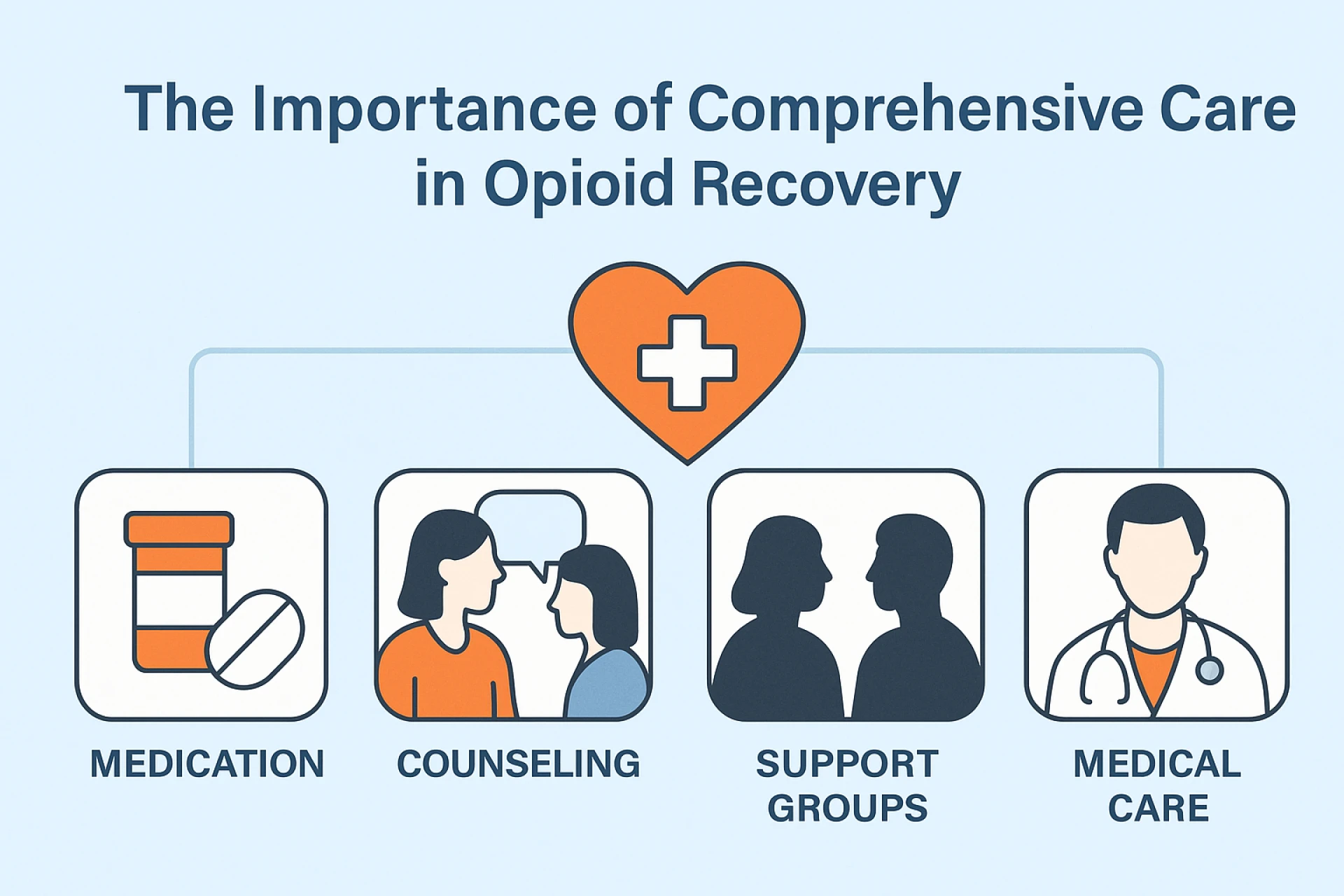
And if mixing substances has already become a pattern, help is available. You don’t have to figure this out alone. Many recovery programs are built around nonjudgmental support and science-based solutions.
Final Thoughts: Your Safety Matters
Mixing opioids with other substances doesn’t just raise the risks it opens the door to consequences that can’t always be reversed. Understanding what’s at stake gives you the power to make safer, more informed choices.
Recovery starts with awareness. Whether you're navigating this road yourself or walking alongside someone who is, your decisions today can protect your tomorrow.





























Sign in to leave a comment.