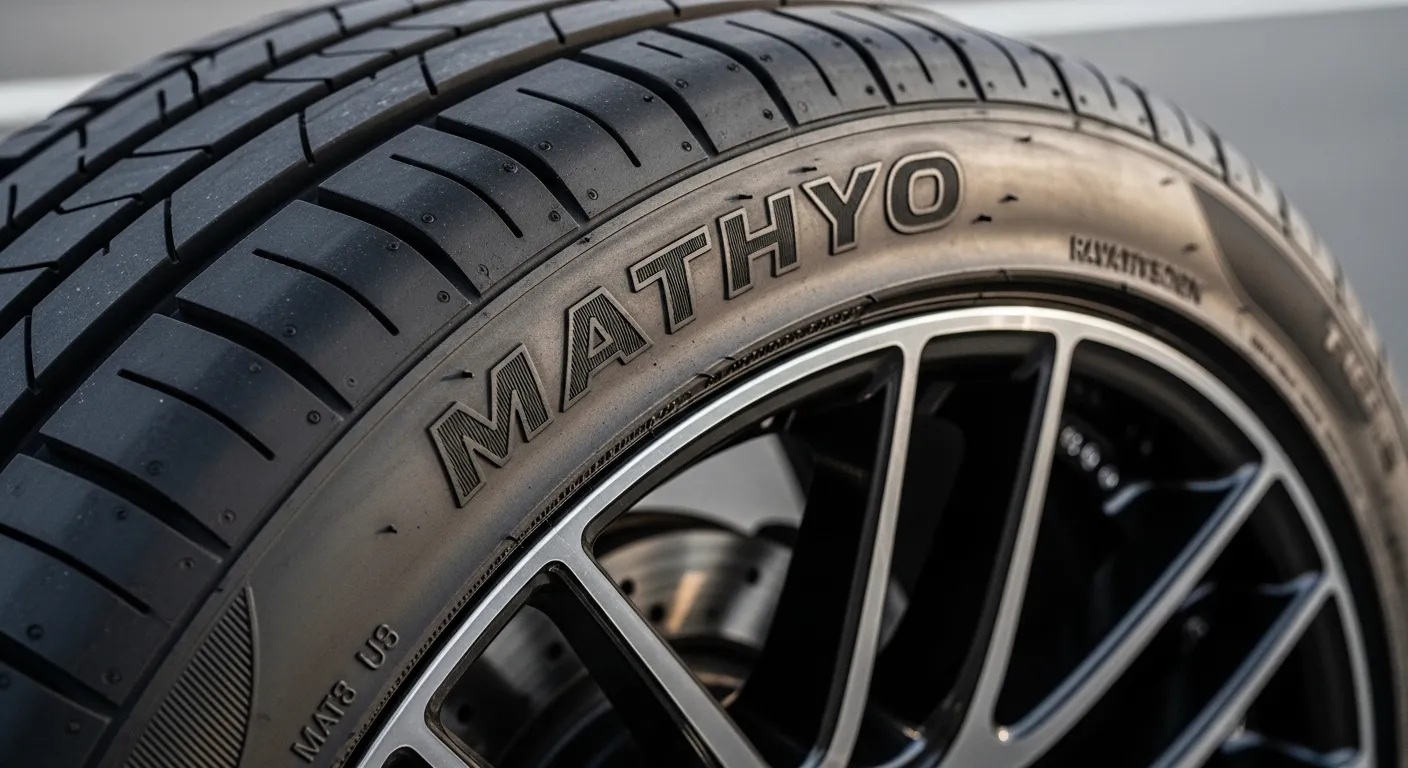

When a Flat Tyre Becomes a Bigger Problem Than It Should Be
It's 10 PM. You're on Al Khail Road, hazard lights on, boot open, staring at a flat tyre you didn't plan for. You call three tyre shops. One doesn't answer. One says they'll send someone in "maybe two hours." One quotes you a price so high you assume it includes the car.
This scenario isn't unusual. It's what prompted a shift in how serious tyre service providers in Dubai have had to operate because the old model of "come to us, wait, pay, leave" stopped working for a city that runs 24 hours a day.
The tyre service industry in Dubai has matured significantly. Providers that couldn't match the pace of the city in response time, transparency, or technical quality have been replaced by those that could. What follows is a detailed look at what professional tyre care in Dubai actually requires in 2026, what to expect from a competent provider, and how online booking and mobile support have changed the game entirely.
Why Tyre Care in Dubai Demands a Different Level of Service
The Climate Factor Nobody Fully Accounts For
Dubai's road surface temperatures in summer routinely exceed 65–70°C. This isn't a minor variable it's a fundamental condition that affects tyre performance, wear rate, and failure risk in ways that most drivers in temperate climates never deal with.
Rubber compounds behave differently at extreme heat. Tyre pressure increases as temperature rises roughly 1 PSI for every 10°C gain which means a tyre inflated correctly in an air-conditioned garage may be significantly over-pressured by the time it's been driving on a hot highway for twenty minutes. Over time, repeated heat cycles degrade the internal structure of tyres faster than standard wear calculations predict.
This means the 40,000 km lifespan printed on a tyre's specification sheet is not a reliable guide for Dubai driving. Actual useful life depends heavily on driving patterns, road surface, and how consistently the vehicle is maintained.
A competent tyre professional in the UAE understands this. A generic one doesn't ask.
Highway Speeds and Vehicle Mix
The UAE's road infrastructure accommodates sustained high-speed driving on a daily basis. Speed limits on major highways reach 120–140 km/h, and actual driving speeds often exceed those figures. At these speeds, tyre condition becomes a safety-critical variable not just a maintenance issue.
The vehicle mix also matters. Dubai's roads carry everything from compact sedans to heavy-duty pickup trucks, luxury SUVs, and performance cars. Each category has different tyre requirements, different load ratings, and different fitting complexities. A service provider that can competently handle all of them including TPMS-equipped vehicles, run-flat systems, and performance-spec tyres represents a meaningfully higher standard than one that handles basic passenger car work only.
What the Online Tyre Booking Process Should Actually Look Like
Transparency Before the Transaction
The strongest indicator of a trustworthy tyre service is how much information they give you before you pay. Can you see the tyre brand, model, load rating, and speed rating clearly on the product page? Is the fitting fee separated from the tyre price, or is it buried? Is there a clear explanation of what the installation includes?
These aren't minor UX questions. They're signals of operational honesty.
Online booking for tyre services should allow you to: select your vehicle type, filter compatible tyre options by size and performance category, choose between in-workshop and mobile fitting, and receive a confirmed time slot not a vague window.
The Scheduling Problem That Still Plagues Many Providers
One consistent frustration among UAE drivers is the gap between "booking confirmed" and actual arrival time. This is a logistics challenge, not a goodwill one it requires proper dispatch systems, accurate time slot management, and real-time communication with the customer.
The best providers have solved this. The rest are still asking customers to wait at home for a three-hour window.
Mobile Tyre Fitting: Practical Details That Actually Matter
What Equipment Should Be in the Van
A mobile tyre fitting service is only as good as what it carries. The minimum professional standard for a fully equipped mobile unit includes:
A portable tyre changer capable of handling low-profile and run-flat tyres without bead damage. A dynamic wheel balancer not a static one. A calibrated torque wrench for final wheel tightening. A TPMS diagnostic and reset tool. A nitrogen or compressed air supply for post-fitting inflation. Replacement valve stems.
Mobile services that lack any of these items are doing partial work. The omission of dynamic balancing, for instance, means you'll feel steering vibration within weeks. The absence of TPMS tooling means sensors may be damaged during fitting at a replacement cost of AED 150–400 per sensor.
Emergency Response vs. Scheduled Fitting Different Expectations Apply
These are two distinct service categories and should be evaluated separately.
Emergency roadside response is about speed and basic competency arriving quickly, changing a damaged tyre safely, getting you moving. The standard here is response time and clear pricing communicated before arrival.
Scheduled mobile fitting is about full professional quality delivered at your location. All the same standards apply as in a fixed workshop torque specs, dynamic balancing, post-fitting pressure check, TPMS verification. There's no reason a scheduled mobile job should be lower quality than a workshop visit.
How to Evaluate a Tyre Service Provider in Dubai: A Practical Checklist
Technical Competence
Ask directly: do technicians use a torque wrench for final wheel tightening, or only an impact gun? The correct answer is both impact gun to run bolts down quickly, torque wrench to final-tighten to the manufacturer's specification.
Ask about balancing equipment. Dynamic wheel balancing corrects both static and couple imbalance the type that causes steering shimmy at speed. Static balancing only addresses vertical bounce. For any vehicle driven on UAE highways, dynamic balancing is the only acceptable standard.
Pricing Clarity
Hidden charges are common in the tyre service industry disposal fees, valve stem charges, balancing fees not included in the advertised installation price. A professional service provider itemises costs before you commit, not after the work is done.
Post-Service Support
What happens if you have an issue after fitting? A provider with no clear post-service policy is telling you something about their confidence in their own work.
What Mathyo Tyres Offers UAE Drivers in 2026
In a market where the gap between average and competent tyre service is wide, Mathyo Tyres has positioned itself at the professional end of the spectrum with a model built specifically for how Dubai drivers actually live and move.
Their service structure covers both scheduled appointments and emergency roadside support with mobile fitting units equipped for the full scope of professional installation, not just basic tyre swaps. The website allows for transparent tyre selection with specifications clearly displayed, online booking with confirmed time slots, and upfront pricing that separates product cost from service fees.
What stands out operationally is the combination of 24-hour availability and technical consistency. Emergency response and scheduled mobile fitting are both handled with the same equipment standards which isn't universally the case among UAE tyre providers.
For fleet operators, the ability to book multiple vehicles for off-hours mobile service means no loss of operational time during working hours. For individual drivers, it means tyre maintenance no longer requires rearranging a workday around a workshop visit.
The range covers passenger cars, SUVs, light commercial vehicles, and performance vehicles with technicians experienced in TPMS-equipped systems and run-flat tyre handling, both of which require specific tooling and knowledge.
The Shift Toward Proactive Tyre Maintenance
Most tyre failures in Dubai are predictable. Slow leaks from damaged valve stems or minor punctures, wear patterns caused by misaligned wheels, and pressure-related blowouts on underinflated tyres these are the common failure modes, and they all show warning signs before they become roadside emergencies.
The shift happening in 2026 among informed UAE drivers is from reactive to proactive tyre management: periodic pressure checks, visual inspections for uneven wear, rotation schedules that equalise tread wear across all four positions, and wheel alignment checks every 15,000 km or after any significant road impact.
A tyre service provider worth using should be able to support all of this not just sell you tyres when you need them.
FAQ
Q: How do I know which tyre size is compatible with my vehicle in Dubai?
Your vehicle's compatible tyre sizes are listed in two places: the door jamb sticker (usually on the driver's side door frame) and the owner's manual. The format reads as three numbers followed by a letter and two more numbers for example, 235/55R18. The first number is tyre width in millimetres, the second is aspect ratio (sidewall height as a percentage of width), and the R indicates radial construction followed by wheel diameter in inches. If you're considering a size other than the standard fitment, a professional should verify load rating and speed rating compatibility before installation.
Q: Is mobile tyre fitting in Dubai as reliable as going to a workshop?
When done by a properly equipped mobile unit, yes the quality of work should be identical. The critical variables are whether the mobile van carries a dynamic wheel balancer (not just static), a calibrated torque wrench, and TPMS tooling. A mobile service that uses only hand tools and basic inflation equipment is not delivering workshop-equivalent work. Always confirm equipment specifications with the provider before booking a mobile job for new tyre installation.
Q: How often should I check tyre pressure in the UAE's summer months?
In summer conditions (May through September), tyre pressure should be checked at least once every two weeks and always when the tyres are cold, meaning the vehicle has been stationary for at least three hours. Heat significantly increases pressure, and checking hot tyres gives inaccurate readings. The correct pressure for your vehicle is listed in the door jamb sticker, not on the tyre itself (the tyre shows maximum permissible pressure, which is not the same as the recommended operating pressure).



























Sign in to leave a comment.