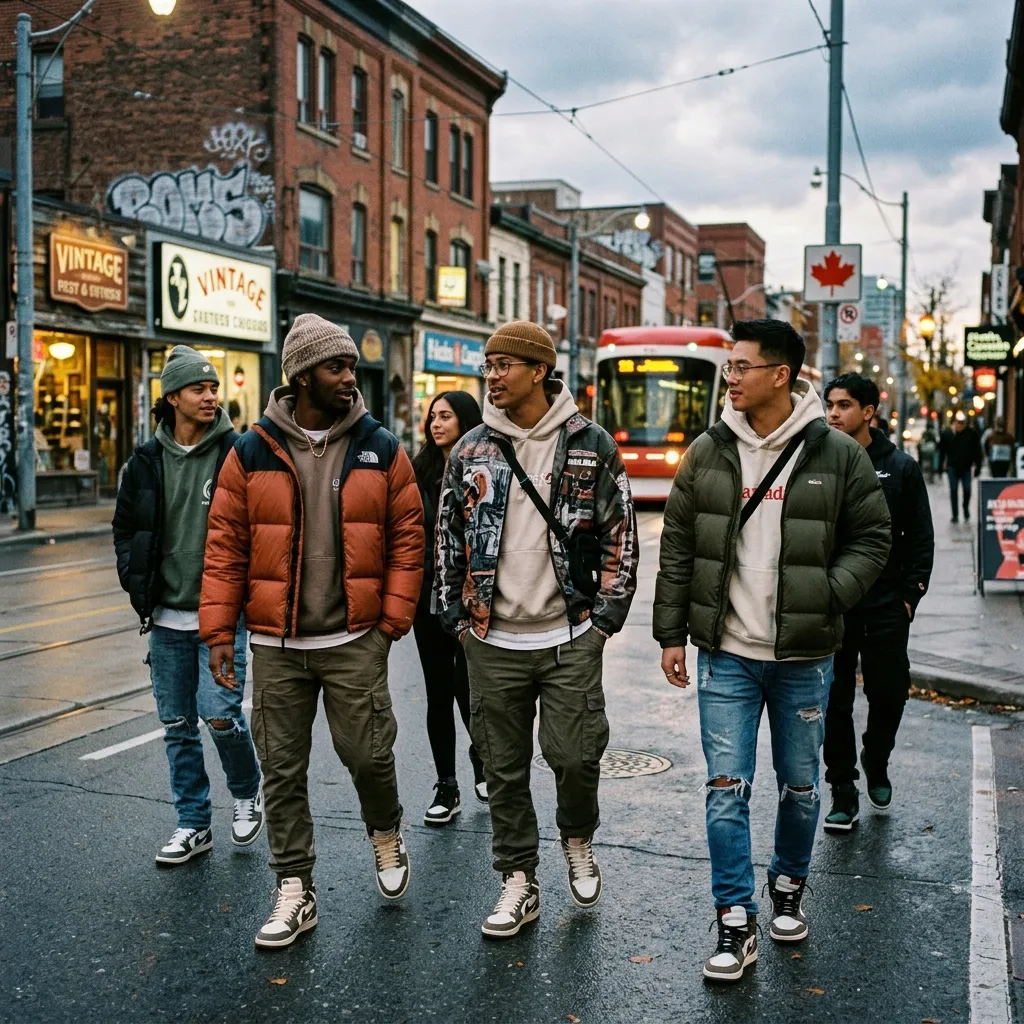

The Canadian fashion landscape has long struggled with a specific identity crisis. For years, domestic consumers were forced to choose between heavy-duty utilitarian gear designed solely for sub-zero temperatures or carbon-copy aesthetics imported from Los Angeles or London that didn't quite land in the context of Toronto, Montreal, or Vancouver. The problem wasn't a lack of interest in style; it was a lack of representation. Canadian enthusiasts were tired of paying massive import duties for garments that didn't reflect the specific cultural "north" they lived in every day.
As we move through 2026, that gap has finally closed. The trend has shifted from "survival wear" to "cultural armor." We are seeing a massive movement toward hyper-localism—where the storytelling behind the fabric matters just as much as the silhouette. Canadian shoppers are moving away from mass-produced fast fashion in favor of brands that offer exclusivity and a distinct narrative.
The Rise of Technical Versatility in Urban Landscapes
In 2026, the boundary between performance gear and high-street fashion has effectively vanished. In cities like Calgary or Ottawa, where the weather can flip from a sunny morning to a biting afternoon breeze, versatility is the primary currency. This isn't just about "Gorpcore" anymore; it’s about sophisticated technical integration.
Modern urbanites are looking for pieces that transition seamlessly from a creative studio environment to a late-night social gathering. We are seeing a surge in fabrics that offer moisture-wicking properties without looking like gym clothes. The aesthetic is clean, structured, and intentionally oversized, allowing for the layering that is essential to the Canadian climate.
Modular Clothing and Adaptable Silhouettes
One of the standout movements this year is modularity. Jackets with detachable elements, adjustable hem lengths, and hidden pocket systems are no longer niche—they are expected. The 2026 consumer values utility that doesn't sacrifice the "drop." This focus on functionality ensures that high-fashion pieces remain practical for daily wear on the TTC or the SkyTrain.
Why Exclusive Drops Are Replacing Traditional Seasonal Cycles
The old-school model of Spring/Summer and Fall/Winter collections is dying a slow death in the Canadian streetwear scene. In its place, the "drop culture" has matured. It is no longer just about the hype; it is about the scarcity of thought and design.
Today’s enthusiasts prioritize pieces that won't be seen on ten other people in the same city block. This demand for exclusivity has forced brands to pivot toward smaller, more frequent releases that highlight specific themes or artistic collaborations. This strategy keeps the brand relevant year-round and ensures that each piece carries a sense of "if you know, you know" prestige.
The Psychology of Scarcity in 2026
Limited runs are serving as a form of social currency. When a brand limits a production run to 100 or 200 units across the country, those garments become collectors' items. This shift is also a win for sustainability; by producing less but with higher intent, the industry is slowly moving away from the "disposable" nature of early 2020s fashion.
Material Innovation: Beyond Cotton and Polyester
If you look at the tags of the most sought-after hoodies and joggers this year, you’ll notice a change. Sustainability is no longer a marketing buzzword—it is a baseline requirement for the Canadian market. We are seeing a heavy lean toward heavyweight organic cotton, recycled nylon, and hemp blends that provide a structured drape while being kinder to the environment.
The texture of 2026 is "raw." People want to feel the weight of the garment. Lightweight, flimsy materials are being rejected in favor of 400GSM+ hoodies that hold their shape even after dozens of washes. This focus on durability aligns with the Canadian ethos of buying things that actually last.
Aesthetics of the North: Colors and Graphics
While the world often associates Canada with bright reds or plaid, the 2026 streetwear palette is far more nuanced. We are seeing "Industrial Earth" tones dominate the streets:
- Concrete Grey: Reflected in the brutalist architecture of Canadian city centers.
- Deep Forest Green: A nod to the vast wilderness that surrounds even the most urban hubs.
- Washed Obsidian: A softer, lived-in black that feels more premium than standard jet black.
Graphics have also evolved. We’ve moved past giant, obnoxious logos. The current trend favors "minimalist maximalism"—small, high-density embroidery, subtle 3D prints, and cryptic typography that invites closer inspection.
Defining the "Everyday Exclusive" for the Modern Canadian
The real magic happens when high-concept design meets everyday accessibility. This is where Invaders Canada has carved out a significant space in the market. By treating streetwear as a form of limited-edition art rather than just apparel, they have addressed the Canadian consumer's desire for something that feels truly their own.
Their approach to everyday urban fashion isn't about following global trends—it's about setting a local tone. When you see their exclusive collections, it’s clear there is an emphasis on the "exclusive" part of the equation. They understand that the Canadian street style isn't just about what you wear to a concert; it’s about what you wear to navigate the complexities of modern city life.
The Intersection of Street Culture and Digital Identity
In 2026, your physical outfit and your digital presence are inextricably linked. Augmented Reality (AR) filters for clothing and digital "proof of ownership" are becoming standard. Many Canadian brands are experimenting with NFC tags embedded in the labels that, when scanned, show the origin of the fabric and the specific number of the garment in the production run.
This transparency builds immense trust. For a consumer in 2026, knowing that their hoodie was made under ethical conditions in a limited batch adds a layer of value that a cheap mall-brand item simply cannot match. It’s about the "pedigree" of the piece.
How to Style Urban Gear in the Current Climate
Streetwear in Canada requires a strategic approach to styling to ensure you don't look like you’re wearing a costume.
- The Proportion Play: Pair oversized hoodies with structured, tapered cargos. The contrast in volume creates a modern, high-fashion silhouette.
- Monochromatic Layering: Use different shades of the same color (e.g., a slate grey tee under a charcoal grey zip-up) to create depth without making the outfit look busy.
- Footwear Integration: 2026 is the year of the "hybrid" shoe. Think technical trail runners or chunky, minimalist boots that can handle a slushy sidewalk while looking sharp enough for a gallery opening.
The Future of the Scene: What’s Next?
As we look toward the end of 2026 and into 2027, the "Canadian look" will continue to influence global trends. Our unique blend of rugged utility and high-concept minimalism is being exported. The world is watching how we handle the intersection of extreme weather and extreme style.
The brands that survive and thrive will be those that continue to listen to the streets rather than the runways of Paris. Authenticity is the only thing that cannot be faked, and in the Canadian market, the "BS meter" is exceptionally high.
FAQ: Understanding the 2026 Urban Fashion Landscape
What makes a streetwear brand "exclusive" in the current Canadian market? Exclusivity today is defined by limited production runs and a lack of traditional retail availability. Rather than being sold in every mall, exclusive brands rely on "drops" through their own platforms. This ensures that the garments remain rare and that the brand maintains direct-to-consumer quality control and storytelling.
How is technical apparel different from standard streetwear? Standard streetwear often prioritizes the look or the logo over the construction. Technical apparel, which is dominating the 2026 Canadian scene, focuses on the "engineering" of the garment. This includes using water-resistant coatings, articulated joints for better movement, and breathable fabrics that respond to body temperature, all while maintaining a stylish urban aesthetic.
Why is the "oversized" trend still popular in 2026? The oversized silhouette has shifted from a trend to a staple because it offers unmatched comfort and layering potential. In the Canadian context, it allows for heat retention during colder months and airflow during the humid summers. Furthermore, it provides a gender-neutral canvas that appeals to a wider, more diverse audience seeking "quiet luxury" in a street format.



























Sign in to leave a comment.