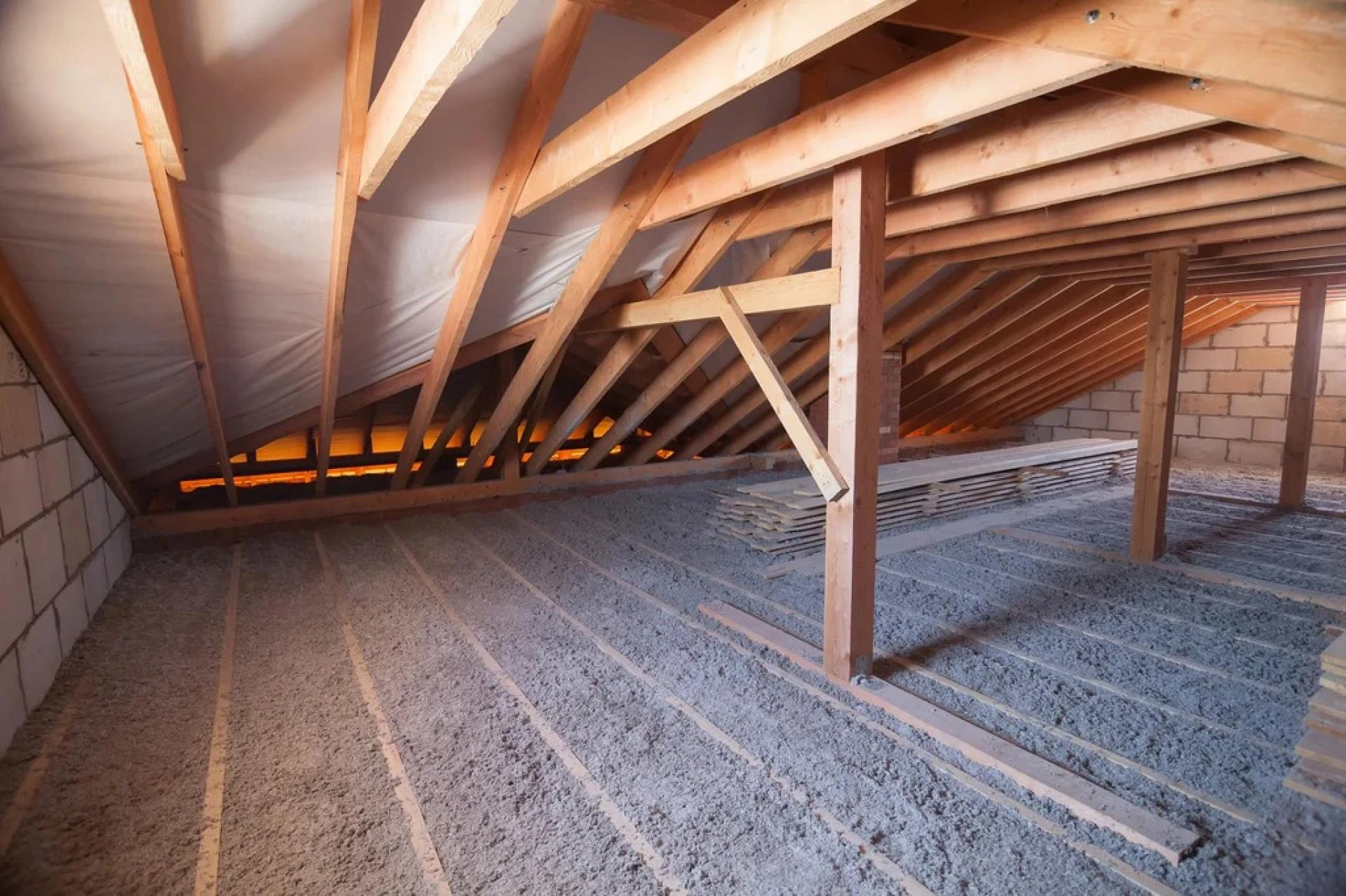
Blown-in cellulose insulation offers an eco-friendly alternative to traditional insulation materials by utilizing recycled paper products and reducing environmental impact. It provides effective thermal performance, soundproofing, and fire resistance while minimizing waste and energy use during production. This insulation type is made primarily from recycled newsprint, treated for fire retardancy, and installed by blowing the loose fibers into wall cavities or attic spaces.
This article presents detailed information on blown-in cellulose insulation, highlighting its environmental benefits, technical specifications, installation process, and factors to consider before choosing it. It also compares cellulose with other common insulation types to help readers make informed decisions based on sustainability, efficiency, and practical use.
Benefits of Blown-In Cellulose Insulation
Blown-in cellulose insulation ranks high in eco-friendliness due to its recycled content, low embodied energy, and minimal environmental harm during manufacture. Its high density improves air sealing and thermal resistance, reducing heating and cooling costs. Compared to fiberglass and spray foam, cellulose has a lower carbon footprint and contributes less to landfill waste.
Key Environmental Advantages
- High recycled content: Typically 75-85% post-consumer paper waste.
- Low energy to produce: About 20-30% less than fiberglass insulation.
- Biodegradable material: Reduces long-term landfill impact.
- Reduces indoor air pollution: Treated without harmful chemicals.
- Enhances building airtightness: Limits energy loss through leaks.
Types of Cellulose Insulation
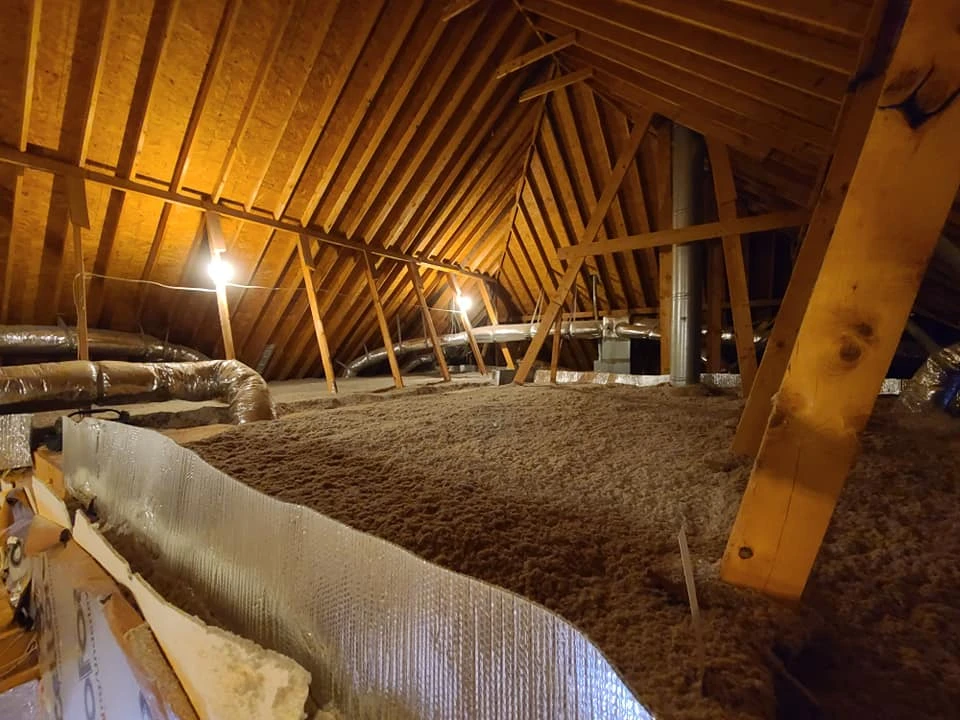
There are two main forms of blown-in cellulose insulation used in residential and commercial buildings:
Type
Description
Typical Use
Density (lb/ft³)
Loose-Fill Cellulose
Fibers blown into open attic spaces or wall cavities
Attics, wall cavities
1.5 – 3
Dense-Pack Cellulose
Fibers densely packed in wall cavities to reduce settling
Walls, ceilings
3.5 – 4
Dense-pack cellulose reduces settling and improves air sealing but requires professional installation equipment. Loose-fill cellulose is easier to install for attic applications but may settle over time if not properly installed.
Comparison of Eco-Friendly Insulation Options
Feature
Blown-In Cellulose
Fiberglass Batt
Spray Foam
Recycled Content
75-85% recycled paper
20-30% recycled glass
None
Embodied Energy
Low (20-30% less than fiberglass)
Moderate
High
Air Sealing Capability
Good (dense-pack better)
Poor to moderate
Excellent
Thermal Resistance (R-value)
R-3.2 to R-3.8 per inch
R-2.9 to R-3.8 per inch
R-6 to R-7 per inch
Fire Resistance
Treated for fire retardancy
Naturally non-combustible
Depends on type
Environmental Impact
Low landfill, biodegradable
Moderate landfill, non-biodegradable
Higher due to chemicals and plastics
Installation Complexity
Moderate (requires blower machine)
Simple DIY
Complex, requires professional
Technical Specifications of Blown-In Cellulose
Specification
Details
Material Source
Recycled newsprint, 75-85% post-consumer
Density
1.5 - 4 lb/ft³ depending on application
R-Value per Inch
3.2 - 3.8
Fire Retardant Treatment
Borate compounds (non-toxic, effective)
Moisture Absorption
Moderate, requires vapor barrier
Settling Rate
Minimal when dense-packed
Air Permeability
Low when properly installed
Installation Process of Blown-In Cellulose
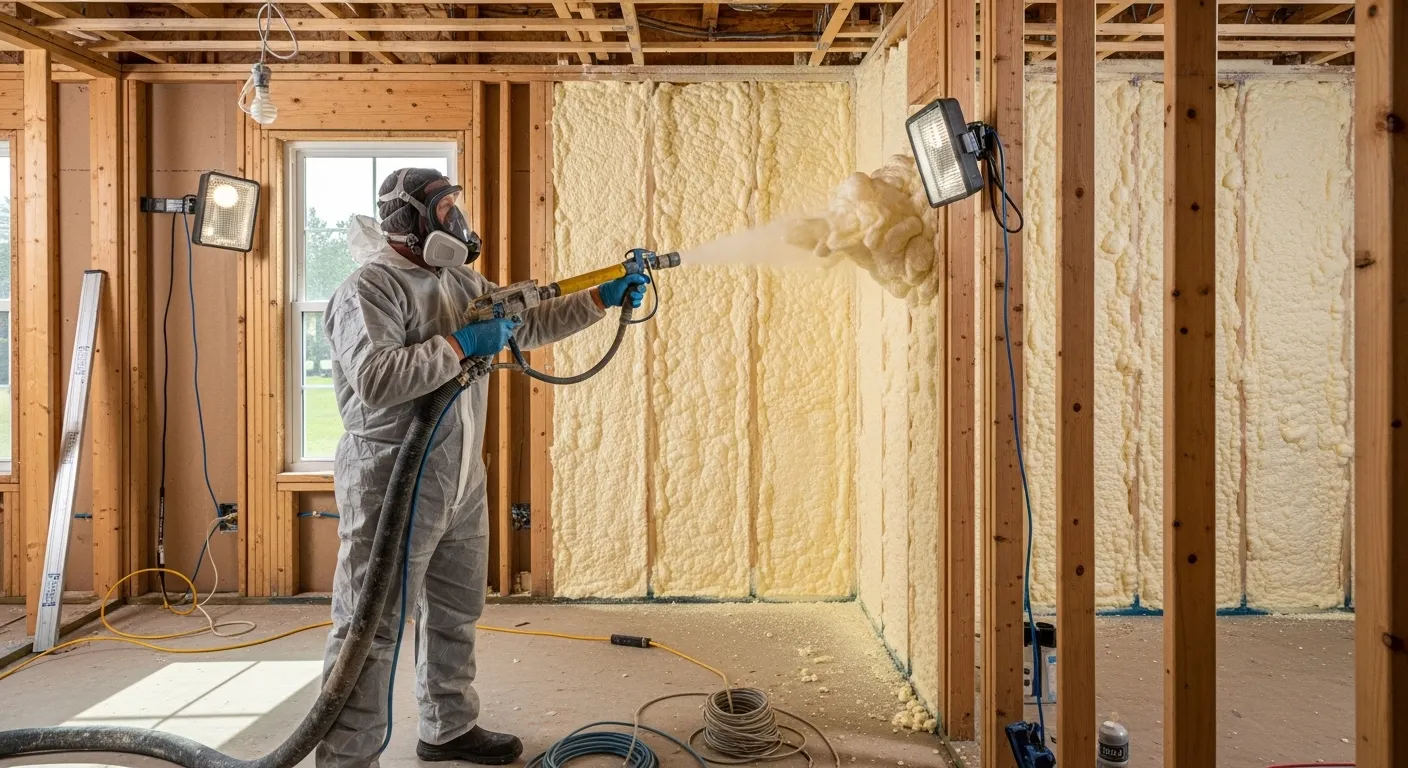
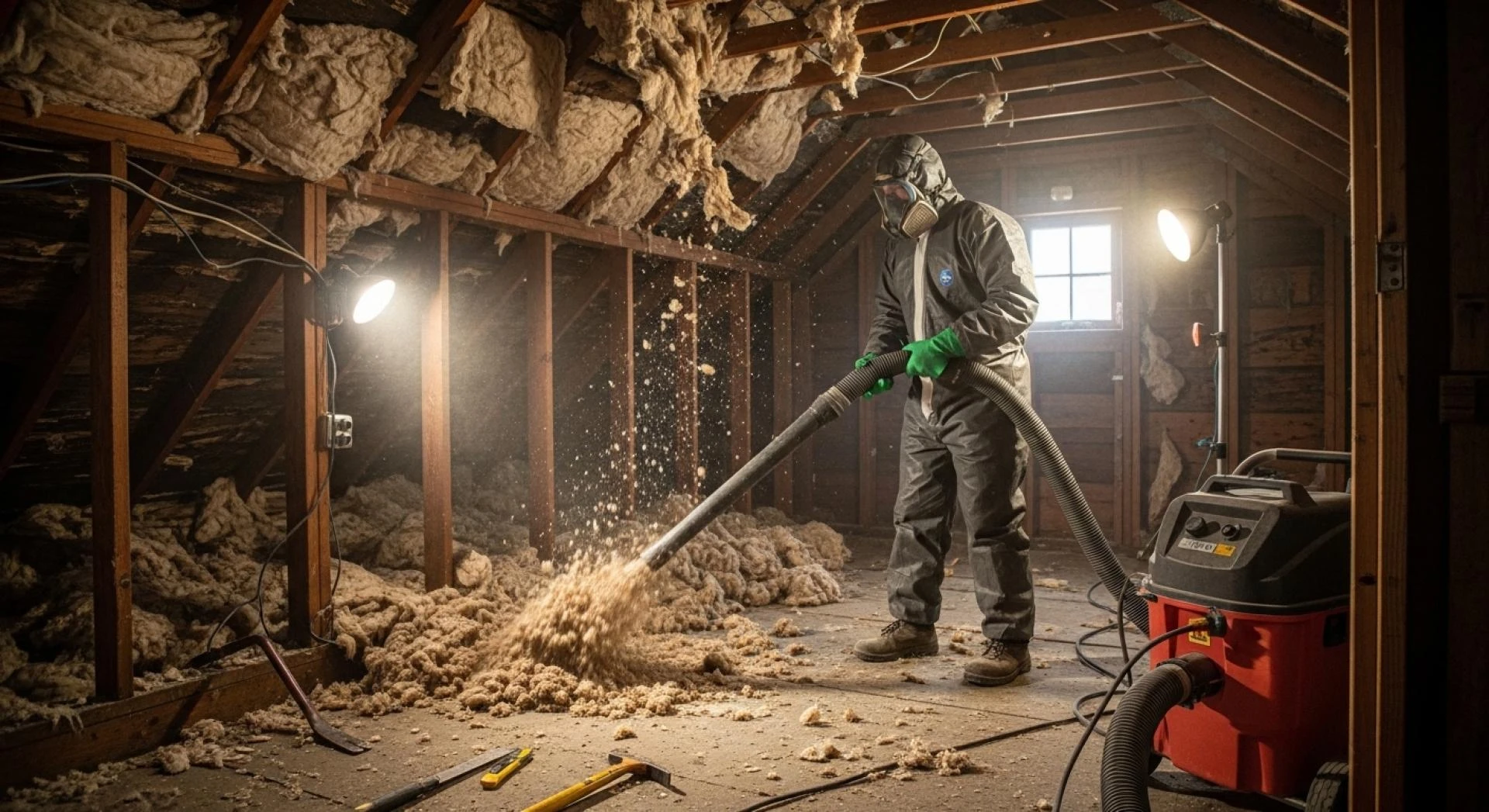
Blown-in cellulose requires specialized equipment that propels loose fibers through hoses into cavities. The installation is typically completed in two ways:
- Open Cavity Installation: The insulation is blown into open attic spaces or wall cavities before drywall or sheathing is applied.
- Dense-Pack Method: Uses higher pressure to densely pack fibers into enclosed cavities, reducing air gaps and settling.
Proper installation minimizes gaps and prevents settling, improving thermal efficiency and indoor comfort.
Bonus Tip
Seal any air leaks before cellulose installation to maximize insulation effectiveness and prevent moisture issues.
Things to Consider Before Making a Decision
Before selecting blown-in cellulose insulation, evaluate these important factors:
- Existing Structure: Suitable for retrofit or new builds; dense-pack best for wall cavities.
- Moisture Management: Requires vapor barriers or moisture control to prevent mold.
- Fire Codes: Check local regulations for acceptable fire retardants.
- Installation Access: Requires blower equipment and professional installation for dense-pack.
- Budget Constraints: More cost-effective than spray foam, comparable to fiberglass.
- Environmental Priorities: Prioritize cellulose for reduced carbon footprint and recycled content.
Bonus Tip
Consult a professional to assess insulation needs and ensure proper installation, especially in complex wall assemblies.
Market Facts About Cellulose Insulation
- The global cellulose insulation market is expected to grow at a CAGR of approximately 5% through 2030, driven by rising demand for sustainable building materials.
- Cellulose accounts for roughly 20-30% of the insulation market share in the U.S., reflecting increasing eco-conscious consumer choices.
Common Questions About Blown-In Cellulose Insulation
How long does cellulose insulation last?
When installed correctly, cellulose insulation can last over 30 years with minimal degradation.
Is cellulose insulation safe for indoor air quality?
Yes, treated with non-toxic borates, cellulose has low chemical emissions and can improve indoor air by reducing drafts.
Can cellulose insulation be installed in humid climates?
Yes, but proper moisture control with vapor barriers is essential to avoid mold growth.
Does cellulose insulation settle over time?
Dense-pack installation reduces settling significantly; loose-fill may settle but can be topped up during maintenance.
The Eco-Friendly Appeal of Blown-In Cellulose Insulation FAQ
What makes blown-in cellulose insulation eco-friendly?
It uses mostly recycled paper, consumes less energy during production, and reduces landfill waste.
How does cellulose insulation compare in R-value?
It offers R-values between 3.2 and 3.8 per inch, comparable to fiberglass.
Is cellulose insulation fire resistant?
Yes, it is treated with fire retardants like borates that are effective and non-toxic.
Can cellulose insulation improve soundproofing?
Its dense fiber structure helps reduce sound transmission, improving acoustic comfort.
What is the typical cost difference compared to fiberglass?
Cellulose is usually similar or slightly higher in cost but offers better environmental benefits.
Make the Right Decision
Blown-in cellulose insulation presents a strong eco-friendly choice for energy-efficient homes. Its high recycled content, lower embodied energy, and fire-resistant properties make it a sustainable alternative to fiberglass and spray foam. When considering insulation options, weigh factors like building type, moisture control, installation requirements, and budget.
Choosing cellulose supports green building practices and can enhance thermal comfort and soundproofing. Assess your specific needs and long-term energy goals to decide if blown-in cellulose insulation fits your project.
Reviewer
Lily Johnson offered her feedback after reviewing this post. With 8 years in the spray foam insulation field, her suggestions centered around improving outreach to homeowners looking for quality insulation solutions.























Sign in to leave a comment.