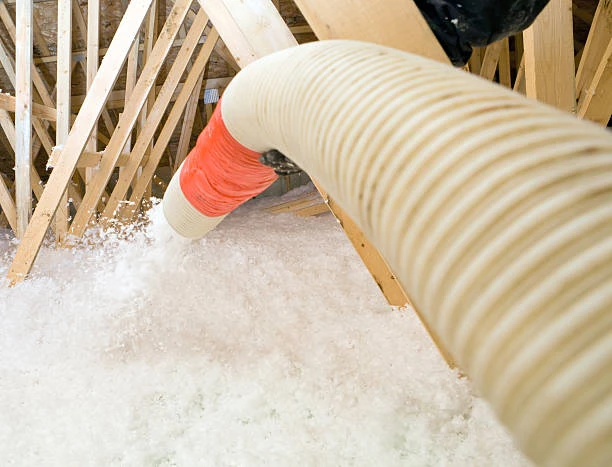

If you’ve ever tried to keep a building comfortable without watching your energy bills skyrocket, you know insulation isn’t just some fluffy stuff in the walls—it’s the difference between a livable space and a monthly reminder that energy companies love you. And here’s the kicker: insulation isn’t all the same. Some types are better for the planet, and blown-in insulation happens to be one of them.
This isn’t just about lowering utility bills. It’s about using a method that’s easier on the environment, reduces waste, and keeps the indoor temperature steady without overworking your heating or cooling systems. If your building leaks air like a screen door on a submarine, assessing with a professional blown-in insulation contractor is the absolute choice.
Why Blown-In Insulation is Considered Eco-Friendly
Blown-in insulation earns its “green” status because it does more than slow heat loss—it does it in a way that minimizes environmental impact. It often uses recycled materials, fits into hard-to-reach spaces, and helps cut down on energy use.
Use of Recycled Content
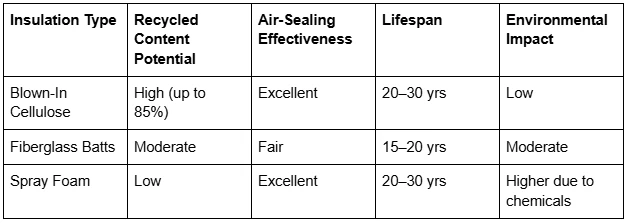
Many types of blown-in insulation are made from cellulose, which is primarily recycled paper treated for fire resistance. This repurposes waste material that might otherwise end up in landfills.
Energy Efficiency at Scale
By filling gaps and creating a more airtight barrier, blown-in insulation reduces the workload on heating and cooling equipment. Less energy used means fewer greenhouse gas emissions over time.

How Blown-In Insulation Supports Lower Energy Consumption
Energy waste is one of the biggest environmental issues tied to buildings. Every bit of heat escaping through poorly insulated walls and ceilings forces heating systems to work harder—and burn more energy.
Tight Seals Mean Less Heat Loss
Blown-in insulation flows into small crevices and irregular spaces that other insulation types often miss. This uniform coverage prevents the “cold spots” that make HVAC systems run longer.
Works for Both Winter and Summer
It’s not just about keeping heat in during cold months—blown-in insulation helps block unwanted heat from entering during summer. That year-round efficiency reduces energy draw consistently.
The Longevity Factor and Reduced Waste
One reason blown-in insulation has a strong environmental profile is its durability. Unlike some insulation that can sag, settle unevenly, or lose performance over time, high-quality blown-in material stays put for decades.
Less Frequent Replacement
Durable insulation means fewer materials used over the lifetime of a building. Every avoided replacement saves raw resources, manufacturing energy, and transportation fuel.
Reduced Construction Waste
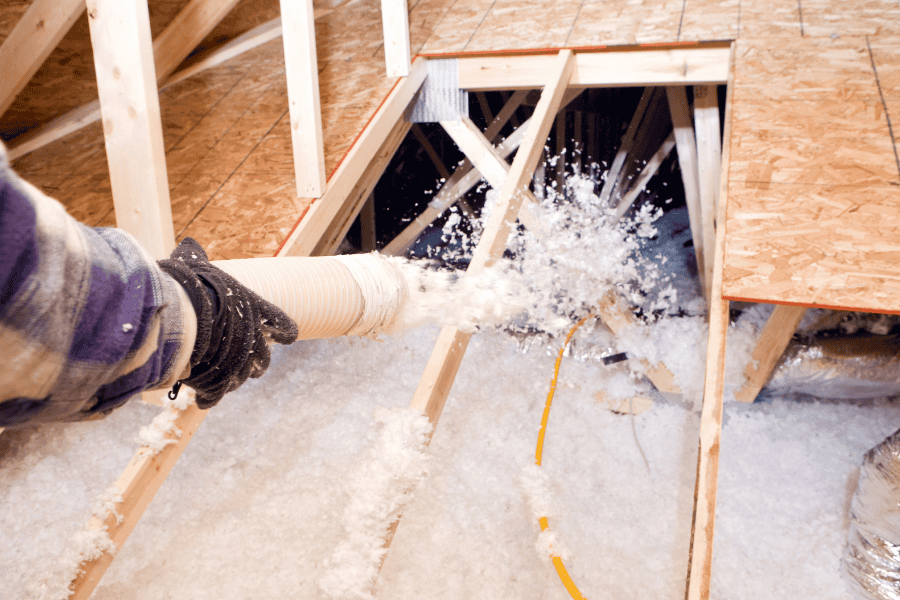
Since blown-in insulation is installed on-site directly into walls, attics, and cavities, there’s almost no leftover scrap material to discard.
Fun fact: Cellulose blown-in insulation can be up to 85% recycled material by weight, making it one of the highest recycled-content building products available.
Comparing Blown-In Insulation to Other Common Options
Not all insulation types have the same environmental footprint. Here’s a simple comparison to put blown-in insulation in perspective:
Indoor Air Quality Benefits
While most people focus on energy savings, insulation can also influence indoor air quality. Blown-in insulation can reduce the infiltration of outdoor pollutants and allergens.
Blocking Dust and Pollen
By sealing small gaps, blown-in insulation limits the entry of dust, pollen, and other airborne irritants.
No Harmful Off-Gassing
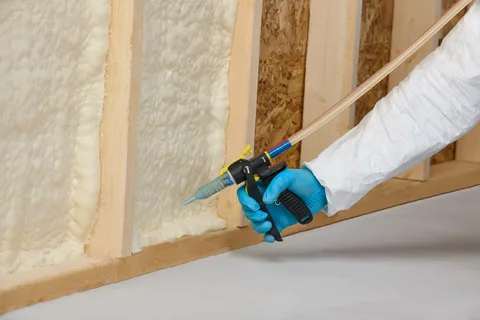
Cellulose blown-in insulation typically doesn’t release harmful fumes, unlike certain foam-based products that can emit VOCs.
The Role in Climate Change Mitigation
The biggest environmental win from blown-in insulation comes from its role in cutting greenhouse gas emissions linked to building operations.
Energy Reduction Equals Carbon Reduction
Heating and cooling account for a major share of carbon emissions. Every kilowatt-hour or cubic foot of natural gas saved through better insulation directly lowers a building’s carbon footprint.
Scalable Benefits in Urban Areas
In dense neighborhoods or commercial zones, widespread adoption of blown-in insulation can have a measurable effect on local energy demand.
Fun fact: Studies have shown that improving insulation in older buildings could cut national residential energy use by up to 20%.

Common Question
Is blown-in insulation always the most environmentally friendly choice?
Not always—it depends on the materials used and the building’s needs. While cellulose blown-in insulation ranks high for recycled content and low manufacturing impact, fiberglass and mineral wool versions can still be sustainable if sourced and installed properly.
Conclusion
Blown-in insulation isn’t just a way to save on heating and cooling—it’s a strategic choice for reducing environmental impact. Its high recycled content, ability to seal tiny gaps, and long service life make it a practical and planet-friendly option for both homes and commercial properties.
Choosing it means using fewer raw resources, producing less waste, and consuming less energy over time. And unlike some green upgrades that require major lifestyle changes, insulation works quietly in the background—lowering bills and emissions without anyone having to think about it.
Visit us for professional blown-in insulation: https://allfoamandinsulation.com/?utm_source=backlink
FAQs
Does blown-in insulation work in all climates?
Yes, it’s effective in both hot and cold regions. It slows heat transfer in winter and blocks unwanted heat in summer.
Can blown-in insulation be installed over existing insulation?
Often, yes. It can be added on top of existing insulation to boost performance, provided the original material is in good condition.
Does cellulose insulation attract pests?
No. It’s treated with borate compounds that deter insects and rodents without harming humans or pets.
Is blown-in insulation fire-resistant?
Cellulose varieties are treated with fire retardants to meet safety standards. This reduces flammability compared to untreated natural materials.
How long does blown-in insulation last?
Properly installed blown-in insulation can last 20 to 30 years without significant loss in performance.
Reviewer: Lily Johnson offered her feedback after reviewing this post. With 8 years in the spray foam insulation field, her suggestions centered around improving outreach to homeowners looking for quality insulation solutions.


























Sign in to leave a comment.