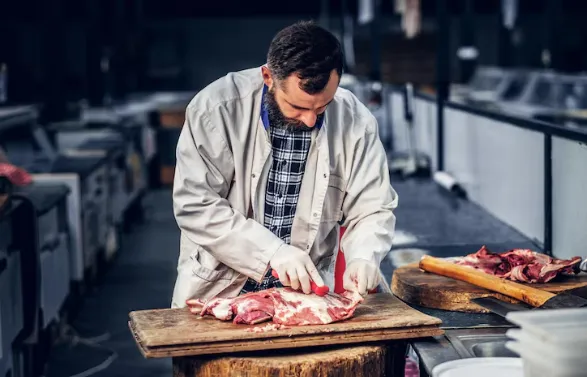

A shopper stands in front of the meat case, reading labels that sound reassuring but somehow still feel vague. Local. Natural. Grass-fed. Pasture-raised. The words seem simple, yet they do not all mean the same thing. For people who care about food quality and environmental impact, that moment matters more than it used to.
The bigger question is not just where beef came from. It is how it was raised, how clearly those practices are explained, and whether the purchase supports a farming model tied to working land instead of distance and guesswork. That is where pasture-raised beef starts to stand out. It shifts the conversation from marketing language to production practices, stewardship, and the connection between food and place.
Key Takeaways
- Better land outcomes depend on production practices, not mileage alone.
- Pasture-raised beef can support grazing-based systems tied to forage and pasture.
- Local buying often helps transparency, trust, and direct farm knowledge.
- The smartest choice comes from asking how cattle were raised, not just where they were sold.
What Does Pasture Raised Mean
At its core, pasture-raised beef points to cattle spending meaningful time outdoors on pasture rather than being raised only in confinement. That matters because pasture-based systems rely more directly on forage, grazing, and land management.
USDA’s grass-fed small producer standard is even more specific. It says certified animals cannot be fed grain or grain by-products and must have continuous access to pasture during the growing season.
That does not mean every pasture-related label says the same thing. Some describe the diet. Some describe outdoor access. Some describe marketing style more than farming method. So the first environmental benefit of choosing pasture-raised beef is not automatic perfection. It is the opportunity to buy from a production system that is usually easier to trace back to real land use and real grazing practices.
Why Local Still Matters
Local beef is often discussed as if the biggest environmental issue is transportation. That sounds logical, but the fuller picture is more nuanced.
Oklahoma State University Extension explains that the sustainability benefit of local beef is likely minimal if the only thing being considered is distance, because transportation accounts for a relatively small share of total greenhouse gas emissions per unit of beef.
That is an important correction. It keeps the conversation honest.
Still, local buying can matter in other ways. It can make it easier for buyers to ask direct questions, understand pasture practices, learn whether cattle were finished on forage, and support producers who are closely tied to the land they manage. In other words, local often helps with visibility, and visibility helps make better choices.
Where The Environmental Value Lives
The strongest environmental case for pasture-raised beef usually comes from how land is used and managed.
USDA Economic Research Service notes that cow-calf operations are commonly located on land not typically suited or needed for crop production, and beef cows graze forage from grasslands with very little, if any, grain input while raising calves.
That matters for a simple reason. Grazing systems can turn forage from grasslands into food on land that may not be practical for row crops. This is one reason pasture-based cattle systems remain part of the broader agricultural landscape.
A direct answer helps here:
Choosing local, pasture-based beef can support working grasslands when the farm uses grazing as a land stewardship tool rather than treating land as a holding space. The value is not the label alone. The value is the management behind it.
Why Buyers Need A Better Filter
Plenty of shoppers assume local always means lower impact. Others assume pasture-raised automatically means healthier land. Both shortcuts miss the point.
A better way to think about it is the Three-Part Land Filter:
- Pasture Access
Was pasture central to the cattle’s life, or just part of the story? - Forage-Based Feeding
Did the operation rely mainly on grass and forage, especially through finishing? - Stewardship Clarity
Can the producer clearly explain grazing, land care, and sourcing practices?
That third point matters more than many buyers realize. In 2024, the USDA updated guidance and strongly encouraged third-party certification for animal raising and environment-related claims so that those claims are truthful and not misleading.
That means environmental language should not be treated like decoration. It should be supported.
What Buyers Can Check Quickly
Here is a practical checklist that helps separate strong choices from fuzzy ones:
- Look for clear pasture or forage language, not just feel-good wording.
- Ask whether the cattle were grass finished or only pasture-raised part of the time.
- Look for source verification or certification when big environmental claims are made.
- Buy from nearby producers when direct questions and direct accountability are possible.
- Match the purchase to real eating habits so less food ends up wasted.
How Different Factors Compare
| Factor | Why It Matters | Good Sign | Common Mistake |
| Pasture access | Suggests outdoor grazing is central | Clear explanation of grazing time | Assuming every pasture claim means the same thing |
| Feeding method | Shows whether forage stayed important | Grass-fed or grass-finished details | Confusing pasture access with forage-only feeding |
| Local sourcing | Helps with transparency and direct questions | Farm can explain practices plainly | Thinking distance alone decides sustainability |
| Claim verification | Adds trust to label language | Third-party support or source verification | Trusting broad green language without proof |
| Land suitability | Connects beef to working grassland use | Grazing on land not suited for crops | Ignoring how land type changes the equation |
What Most People Get Wrong
One common misunderstanding is believing all beef systems should be judged by one simple rule. Real agriculture rarely works that way.
Another mistake is assuming pasture-raised beef is automatically better in every environmental measure. Oklahoma State Extension notes that grass finished beef can have a higher carbon footprint in some comparisons, while still offering sustainability advantages such as using human-edible forage and land not suitable for crop production.
That kind of nuance is useful. It keeps the conversation practical rather than ideological.
A third mistake is trusting labels without checking whether they are backed up. USDA now explicitly encourages third-party certification for animal raising and environment-related claims for exactly that reason.
A Bigger Climate Context
Livestock emissions are a real part of the climate conversation. FAO states that livestock supply chains account for 14.5% of global anthropogenic greenhouse gas emissions.
That does not mean one purchase solves the problem. It does mean buyers are reasonable to look more closely at how beef is produced. For many households, choosing pasture-raised beef from a nearby farm becomes less about chasing a perfect answer and more about supporting clearer land relationships, stronger sourcing transparency, and food systems that feel less detached.
A Familiar Buying Scenario
A family wants beef that lines up with its values, so it starts with distance alone. But after a few purchases, better questions take over. Was this beef raised on pasture in a meaningful way? Was forage central to the system? Can the farm explain what happens on the land?
That shift changes everything.
Instead of buying on impulse, the family starts buying with context. It wastes less, asks better questions, and feels more confident about what comes home. That is often the quiet environmental benefit of going local. It brings the decision closer to the source.
Final Verdict
The environmental value of pasture-raised beef does not come from one trendy phrase. It comes from grazing, forage use, land suitability, and honest explanations of how cattle are raised. Local sourcing helps when it gives buyers a clearer line of sight into those practices.
For people who want a direct farm-to-table source with 100% grassfed and finished premium beef, Living The Dream Farm & Ranch, LLC offers that kind of closer connection between pasture, product, and purchase.
FAQs
What Makes A Good Beef Label?
A good label says something specific, and the farm can explain it clearly if asked.
What Are The Best Practices For Buying Environment Minded Beef?
Look at pasture access, feeding method, claim support, and whether the producer is transparent.
How To Tell If A Farm Is A Good Fit?
A good fit usually answers practical questions plainly and does not hide behind vague wording.
Does This Farm Offer Direct Order Services?
Yes. The brand brief positions the business as direct-to-consumer and farm-to-table.
Can Buyers Request Custom Bulk Options?
Yes. The product range includes bulk beef options such as 1/8, 1/4, 1/2, and whole beef.































Sign in to leave a comment.