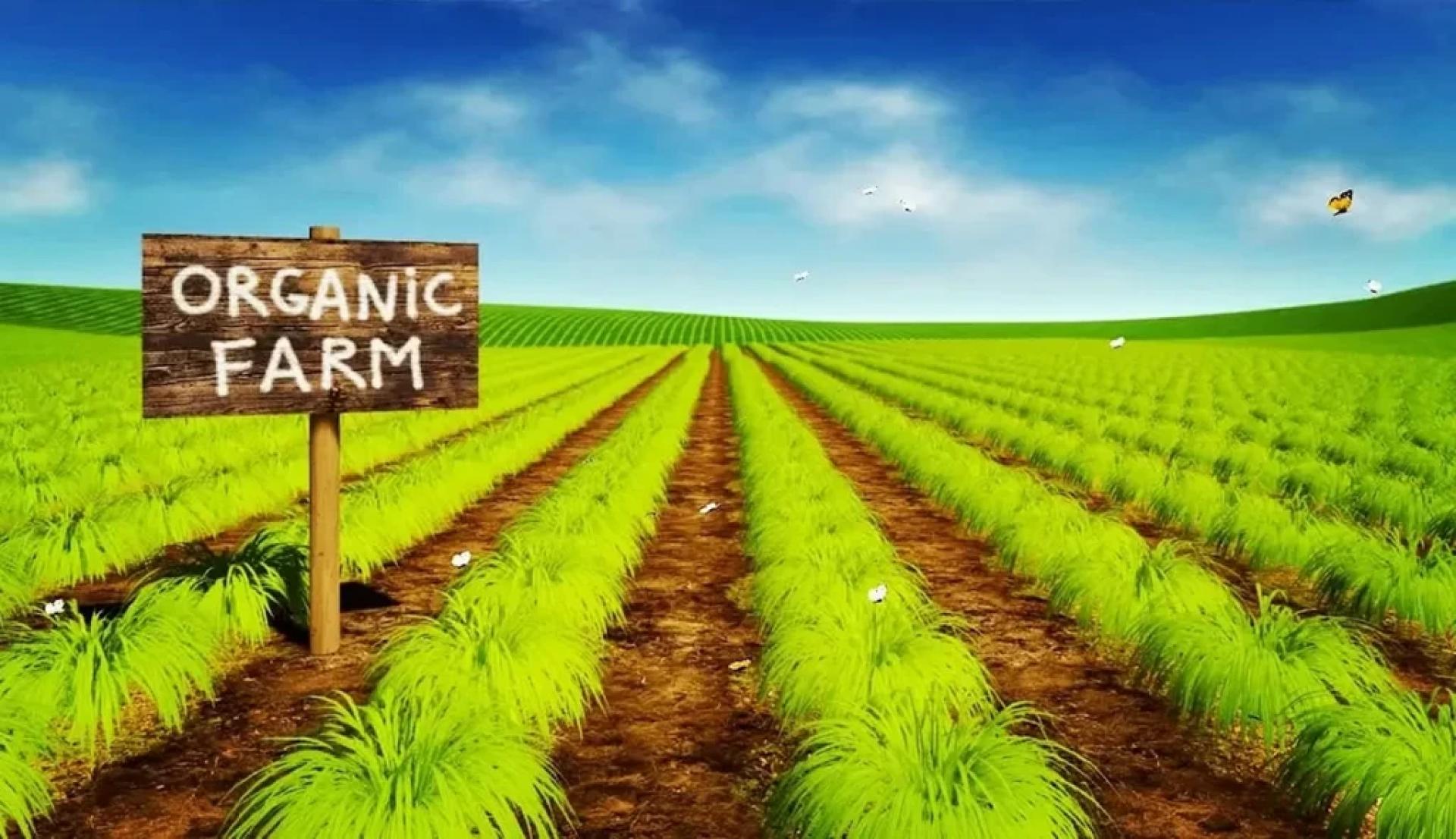

Organic Livestock Farming means raising livestock using agricultural methods that emphasize preserving the environment, improving animal welfare, and producing healthy products without the use of synthetic chemicals. Below are some important principles and aspects of organic livestock farming.
Principles of organic livestock breeding
Natural nutrition
Organic livestock should be fed using natural and organic foods. These foods should not contain artificial chemicals, hormones or antibiotics.
It is important to use natural and rich pastures to feed livestock.
Natural health and treatment:
It is important to use natural and preventive methods to maintain the health of livestock. Instead of continuous use of antibiotics, natural methods such as herbal remedies and homeopathy are used.
Health management should focus on disease prevention and livestock environment should be kept clean and healthy.
Animal Welfare
The environmental conditions of livestock should be such that their welfare and health are maintained. This includes providing enough space for movement, access to natural light and fresh air.
Management methods should be such that the physical and mental stress of animals is minimized.
Using sustainable agricultural methods
It is very important to use agricultural techniques that help conserve soil, water and natural resources.
Rotation of crops and livestock is done in order to maintain soil fertility and prevent its erosion.
The benefits of raising organic livestock
Healthier products
Organic livestock products are healthier and more nutritious due to the absence of chemicals and synthetic drugs.
Environmental Protection
Organic farming methods help to maintain biodiversity, soil quality and water resources and have less negative effects on the environment.
Animal Welfare
In organic systems, the living conditions of animals are better and more humane methods are used to raise them.
Challenges of raising organic livestock
Higher costs
Organic production is usually more expensive due to the need for more land, organic feed and more careful health management.
Lower efficiency
Production efficiency in organic systems may be lower than conventional methods due to limitations in the use of chemicals and drugs.
Need for more knowledge and expertise
Raising organic livestock requires more knowledge and expertise in the field of sustainable agriculture and health management.
Organic standards and certificates
In order for livestock products to be recognized as organic, they must follow certain standards and receive organic certification under the supervision of reputable organizations. These standards include things like nutrition, hygiene, animal welfare and sustainable farming methods.
Organic livestock farming is a sustainable and responsible approach to agriculture, which aims to produce healthy and high-quality products, while preserving natural resources and promoting animal welfare.






















Sign in to leave a comment.