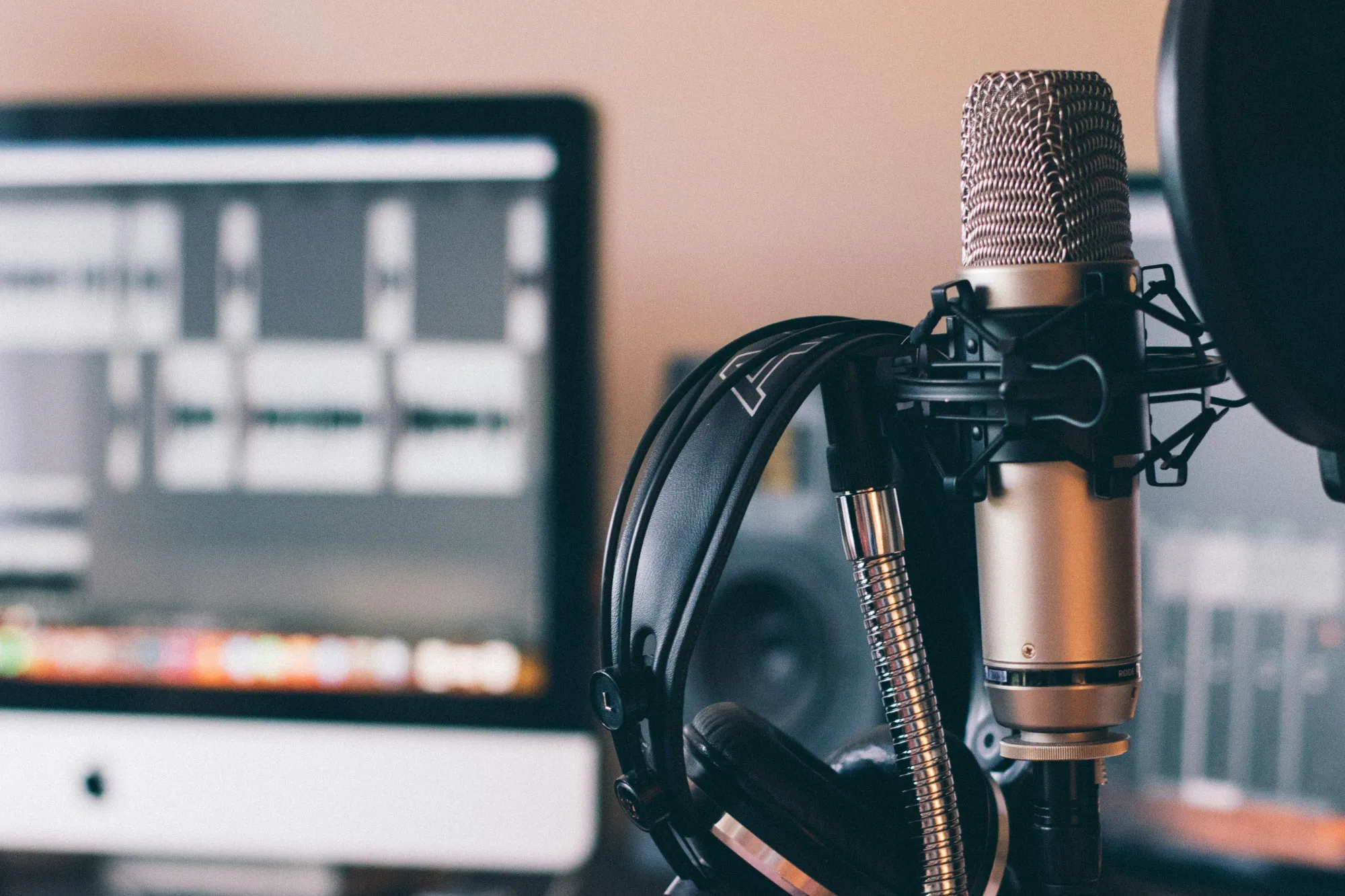

Use of audio in advertising is not a novel concept. For decades, radio advertisements have been accompanied by podcasts, audio streaming sites, video audio snippets on social media, and other types of audio advertising. Audio that has a human voice contributes to creating an impact and connecting with the listener. However, the pace of change in the field of advertising has increased recently. Due to technological advancements, it is possible for AI to speak quickly and simultaneously to several listeners.
This leaves a lot of room for questions on whether AI will one day substitute humans in audio advertisements. Would marketers prefer to use AI to increase their efficiency, or would human performers have an advantage? An understanding of the strengths and weaknesses of both options will aid decision-making. This article discusses artificial intelligence voice technologies and live performances, explains their role in modern advertising, and tries to predict their future.
Understanding AI Voice Technology
The technology behind AI voices incorporates machine learning and synthesis processes, thus enabling the generation of audio that mimics how people talk. These AI systems analyze human speech and reproduce it using artificially generated voices.
The advantages that come with the adoption of AI voices make many enterprises consider this approach to be appealing. AI voices provide high efficiency, consistency, and rapid development of content. AI would also be beneficial in case a project calls for numerous communications and updates.
However, many businesses still compare AI-generated solutions with traditional commercial voice over talent when evaluating long-term advertising effectiveness. Although AI voices sound rather realistic, they tend to lack nuance, creativity, and context. Even though the voice is believable, its tone can seem unnatural at specific points in a video message. For marketing campaigns based on stories, persuasion, and emotions, an AI voice works best.
Why Human Voice Performance Still Matters
In addition to the fact that verbal communications influence human perception of communication, there is also the issue of tone, rhythm, pauses, and emotions. Voice artists understand how to manage these components properly to evoke certain reactions from their target audiences.
A premium brand voice talent can breathe life into any script using their ability to provide warmth, enthusiasm, compassion, or even dominance if needed. Versatility and human talent enable brands to establish connections with potential clients. Moreover, performers are able to adapt their work to the creative vision of clients, make changes during recording sessions, and perform better.
Last but not least, it goes without saying that authenticity is important. Human voices evoke positive reactions from listeners, who tend to respond positively to authentic performances in advertising campaigns.
The Value of a Bilingual Voice Over Artist in Global Campaigns
With brand penetration in various regions, bilingualism is becoming increasingly important. The importance of having a bilingual voice over artist cannot be overstated. The reason being that not only do they speak two languages, but they also have knowledge about the culture that goes with each language market.
Knowledge of culture, pronunciation, and ways of communicating in other regions will help in making the advertisement work effectively. This explains why, most of the time, bilingual voice over artists become more effective in engaging listeners from other markets.
Why Commercial Voice over Talent Remains Relevant
Advertising involves influencing perceptions, actions, and emotional connections of potential consumers. That is why the expertise of a commercial voice over talent remains essential in advertising.
As opposed to mere informative content, ads are based on persuasion and the personal characteristics of the speaker. Professional voice artists understand how to adjust the intonation to the company’s image while holding the audience’s attention. Irrespective of whether it is promoting a product or service or conveying the story of the brand, the human voice makes a connection that cannot yet be fully simulated by AI technology.
Nevertheless, it should not be considered unnecessary. It is simply that various projects require unique approaches. For most ad tasks, a person is more effective in performance than AI.
Human Voices and AI: Competition or Collaboration?
Most likely, the future of audio advertisement will not come down to one technique replacing the other. Nowadays, numerous organizations are combining techniques into their strategies. While AI will be efficient at doing routine work, a bilingual voice over artist will contribute emotions and authenticity to their creations.
This combination allows brands to benefit from innovations but still have an emotional connection with their customers. With changing customer expectations, advertisers will continue to combine automation and human talent for better performance.
Conclusion
It does not matter which voiceover technology is better in this case, since it comes down to choosing one that would fit a particular audience and a certain message. AI voices are practical and fast, but a human voice offers more creativity and engagement. With an emphasis on cultural knowledge, using a Fortune 500 voice actor who speaks two languages will help build a connection with the audience and develop an appealing brand experience.
When it comes to acquiring professional voiceover production services, including recording in a number of different languages, one may want to consider Wide Angle Productions Group, Inc., which has lots of professionals, rich experience in audio advertising production, and effective communication skills. Considering the rapidly changing marketing trends, it might be time to revise the existing approach.
FAQs
What Is a Narrator?
A narrator is the voice guiding the listeners in telling the story, conducting a presentation, explaining a documentary movie, or other content.
Who is the voice actor?
Typically, a voice actor is a professional who provides voices for characters, commercials, educational content, video projects, and various other digital products.
What Is a Storyteller?
A storyteller is an individual who shares opinions, ideas, or experiences in a captivating manner and makes an emotional impression on the listeners.
What Is a Narrator in a Story?
A narrator is a character presenting the listeners with the sequence of events happening in the story, together with its details.
What Does a Narrator Do?
A narrator gives the story its structure, provides additional information, paces the narration, and gives hints about the flow.
What Is a Digital Storyteller?
A digital storyteller is an individual telling stories using multimedia, such as video clips, animations, audio, etc.























Sign in to leave a comment.