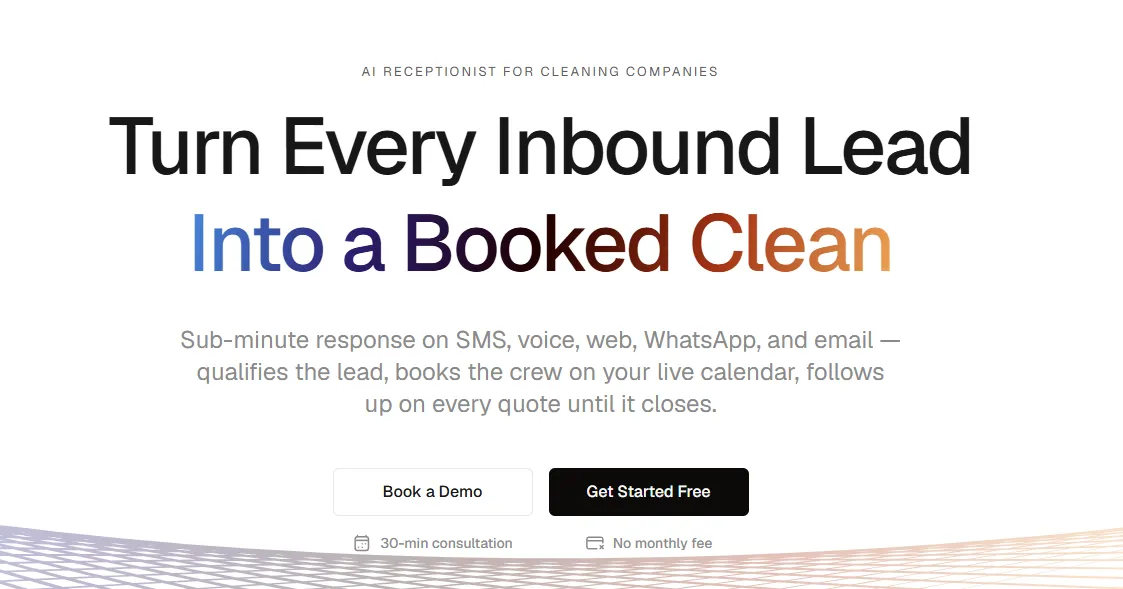

In the modern service economy, cleaning companies face increasing pressure to deliver fast, reliable, and always-available customer support. Clients expect instant responses, seamless booking experiences, and professional communication at any hour of the day. Traditional receptionist roles—while still valuable—often struggle to keep up with this demand, especially for small and mid-sized cleaning businesses that operate with limited administrative staff.
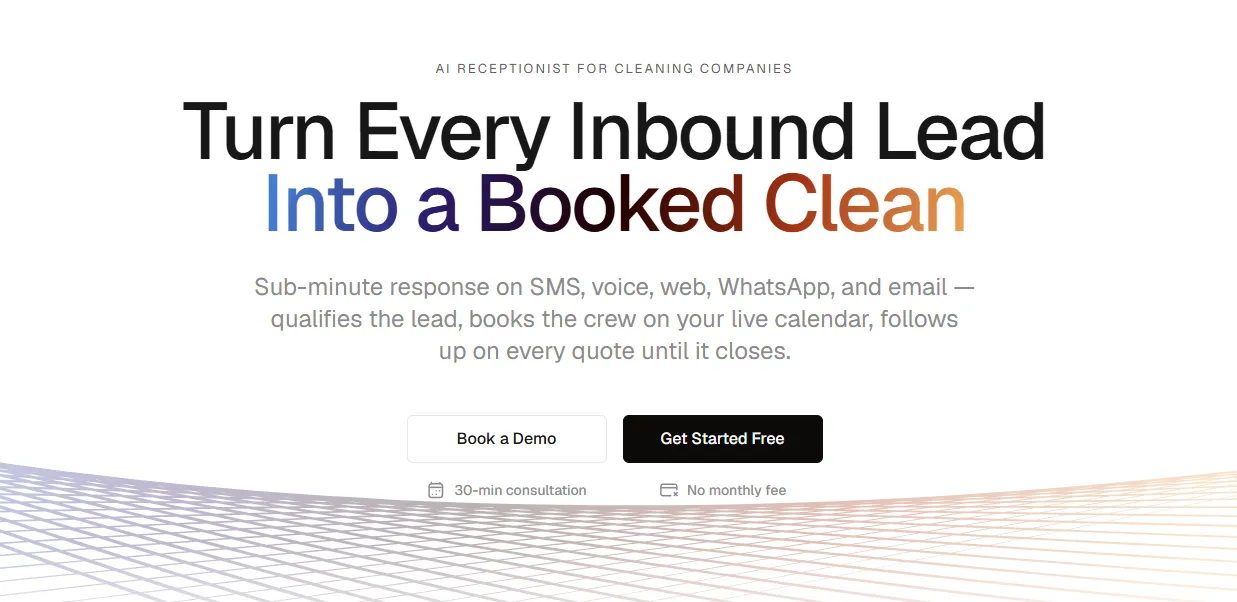
This is where artificial intelligence is reshaping the industry. One of the most impactful innovations is the rise of automated communication systems designed specifically for service businesses. Among them, the concept of an ai receptionist for cleaning companies is quickly becoming a game-changer, allowing businesses to streamline operations, improve customer satisfaction, and scale without increasing overhead costs.
This article explores how AI-driven reception systems work, why cleaning companies are adopting them, and how they are reshaping the future of customer communication in the service industry.
Understanding the Role of a Receptionist in Cleaning Companies
Before diving into AI solutions, it is important to understand what a receptionist typically does in a cleaning business.
In most cleaning companies, the receptionist is responsible for:
- Answering incoming phone calls and emails
- Scheduling cleaning appointments
- Handling customer inquiries and pricing questions
- Managing cancellations and rescheduling
- Coordinating with cleaning teams
- Maintaining customer records and CRM updates
- Providing basic customer support and follow-ups
For small cleaning businesses, this role is often handled by the business owner or shared among office staff. However, as the company grows, managing customer communication becomes increasingly complex.
Missed calls or delayed responses can result in lost clients. In fact, studies across service industries show that customers are more likely to choose a competitor if their first inquiry is not answered within minutes. This creates a serious operational challenge for cleaning companies that rely heavily on inbound leads.
The Rise of AI in Customer Service
Artificial intelligence has already transformed industries like e-commerce, healthcare, and logistics. Now, it is rapidly entering the cleaning services sector.
AI-powered communication tools use natural language processing (NLP), machine learning, and automation workflows to handle customer interactions in a human-like manner. These systems can understand requests, respond intelligently, and even perform actions such as booking appointments or sending reminders.
Unlike traditional chatbots, modern AI reception systems are highly advanced. They can:
- Understand context and intent
- Communicate via voice, chat, SMS, or email
- Integrate with scheduling systems
- Learn from previous interactions
- Provide personalized responses
For cleaning companies, this means customers can book services instantly without waiting for a human operator.
Why Cleaning Companies Need AI Reception Solutions
Cleaning businesses operate in a highly competitive environment. Whether they serve residential clients, commercial offices, or specialized facilities, responsiveness plays a critical role in winning and retaining customers.
Here are the main challenges that cleaning companies face:
1. Missed Calls and Lost Leads
Many cleaning companies operate during business hours only. However, customers often search for cleaning services in the evening or on weekends. If no one answers the phone, the lead is lost.
2. High Volume of Repetitive Questions
Receptionists often spend a large portion of their time answering the same questions:
- “How much do you charge for a 2-bedroom apartment?”
- “Do you provide same-day cleaning?”
- “What areas do you serve?”
This repetitive workload reduces efficiency.
3. Scheduling Complexity
Managing bookings manually can lead to double bookings, scheduling conflicts, and human errors.
4. Limited Staff Resources
Small cleaning companies cannot always afford full-time reception staff, especially during early growth stages.
5. Customer Expectations for Instant Responses
Modern customers expect immediate replies. Delays often result in losing potential clients to competitors.
How AI Receptionists Solve These Problems
An AI receptionist acts as a virtual front desk assistant that operates 24/7. It handles customer communication automatically and ensures that no inquiry goes unanswered.
Let’s break down how it works in practice.
1. 24/7 Availability
Unlike human staff, AI systems do not need breaks, weekends, or sleep. They respond instantly to inquiries at any time of day.
This is particularly important for cleaning companies, where customers often search for services outside regular working hours.
2. Instant Booking and Scheduling
AI reception systems can integrate directly with calendars and booking platforms. This allows customers to:
- Select available time slots
- Book cleaning appointments instantly
- Receive confirmation messages
- Get reminders before service visits
This eliminates the need for manual scheduling.
3. Automated Lead Qualification
Not every inquiry results in a booking. AI can automatically filter and qualify leads by asking relevant questions such as:
- Type of property
- Size of the area
- Type of cleaning required
- Preferred time and date
This ensures that only high-quality leads are passed to human staff.
4. Cost Reduction
Hiring full-time receptionists can be expensive. AI systems reduce the need for additional administrative staff, helping cleaning companies save money while maintaining service quality.
5. Improved Customer Experience
Fast responses and seamless booking create a professional impression. Customers are more likely to trust and return to a cleaning company that responds instantly.
Key Features of an AI Reception System
Modern AI reception platforms designed for cleaning companies include a wide range of features:
Multi-Channel Communication
AI receptionists can interact with customers through:
- Website chat widgets
- WhatsApp or SMS
- Email responses
- Voice calls
Smart Scheduling Integration
They connect with tools like Google Calendar or CRM systems to manage bookings efficiently.
Personalized Responses
AI can store customer preferences and provide tailored recommendations based on past interactions.
Automated Reminders
Customers receive reminders before scheduled cleaning appointments, reducing no-shows.
Payment Assistance
Some systems can even guide users through payment processes or send invoices automatically.
Multi-Language Support
For companies operating in diverse regions, AI can communicate in multiple languages.
The Impact on Business Growth
Implementing an AI receptionist is not just about convenience—it directly impacts business performance.
Increased Conversion Rates
When customers receive instant responses, they are more likely to book services immediately instead of searching for alternatives.
Higher Customer Retention
Consistent communication improves trust and encourages repeat business.
Scalability Without Extra Staff
Cleaning companies can handle more clients without hiring additional administrative staff.
Better Resource Allocation
Human employees can focus on operational tasks like managing cleaning teams instead of answering calls.
Challenges and Considerations
While AI reception systems offer many advantages, there are also important considerations.
1. Initial Setup and Integration
Businesses must integrate AI tools with existing systems such as CRM platforms and scheduling software.
2. Training the AI
AI systems require configuration to match business-specific pricing, services, and policies.
3. Handling Complex Requests
Some customer inquiries may still require human intervention, especially for customized or large-scale cleaning projects.
4. Maintaining a Human Touch
While AI is efficient, some customers still prefer speaking with a real person. A hybrid model often works best.
The Hybrid Model: AI + Human Support
The most effective approach for cleaning companies is not full automation but a hybrid system.
In this model:
- AI handles routine inquiries and bookings
- Human staff manage complex requests and customer relationships
- AI escalates issues when necessary
This ensures efficiency without losing personalization.
Real-World Example of AI in Cleaning Services
Consider a residential cleaning company receiving inquiries from multiple channels:
Without AI:
- Calls go unanswered after hours
- Emails are replied to the next day
- Scheduling conflicts occur
- Leads are lost due to delays
With AI receptionist:
- Every inquiry is answered instantly
- Customers book appointments automatically
- Availability is always up to date
- Staff focus only on cleaning operations
The difference in efficiency and revenue potential is significant.
The Future of AI in Cleaning Companies
The adoption of AI in the cleaning industry is still in its early stages, but it is growing rapidly. In the future, we can expect even more advanced capabilities such as:
- Predictive scheduling based on customer habits
- AI-driven pricing optimization
- Voice-based booking assistants
- Fully automated customer lifecycle management
- Integration with smart home systems
As technology continues to evolve, AI receptionists will become standard tools rather than optional upgrades.
Conclusion
Cleaning companies operate in a fast-paced environment where responsiveness and efficiency are key to success. Traditional reception methods often struggle to meet modern customer expectations, leading to lost opportunities and operational inefficiencies.
The adoption of AI-driven communication tools is transforming how these businesses interact with clients. An ai receptionist for cleaning companies provides 24/7 availability, instant responses, automated scheduling, and improved customer satisfaction—all while reducing operational costs.
By integrating AI with human support, cleaning companies can create a powerful hybrid system that maximizes efficiency without sacrificing personalization. As the industry continues to evolve, businesses that embrace these technologies early will gain a significant competitive advantage in the market.



























Sign in to leave a comment.