
Introduction
As heating and cooling technologies continue to evolve, traditional single-stage HVAC systems are no longer sufficient for delivering consistent comfort and energy efficiency. Today, more residential and commercial buildings are adopting multi-stage HVAC systems to better manage temperature fluctuations and reduce energy consumption.
At the center of this transition is the multi-stage thermostat, which enables HVAC systems to operate more intelligently and efficiently.
What Is a Multi-Stage Thermostat?
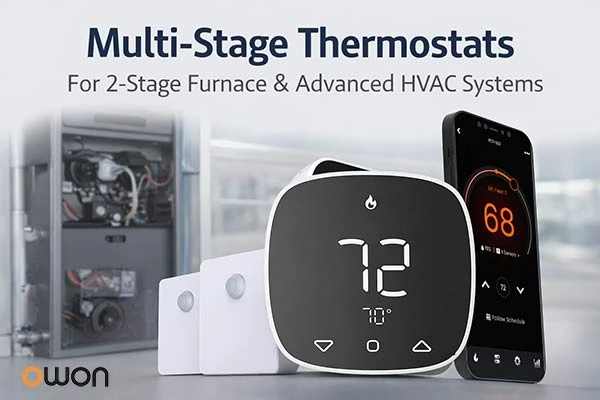
A multi-stage thermostat is designed to control HVAC systems that operate at multiple levels of heating or cooling output. Instead of simply turning the system on or off, it can activate different stages based on real-time demand.
For example, in a typical 2-stage furnace system, the HVAC unit runs at a lower capacity most of the time to maintain a steady indoor temperature. When additional heating is required, the system switches to a higher stage.
This approach provides more stable temperature control and reduces energy waste.
Why Multi-Stage Systems Improve Comfort and Efficiency
One of the main advantages of multi-stage HVAC systems is their ability to minimize temperature fluctuations. By running at lower capacity for longer periods, they maintain a more consistent indoor environment compared to single-stage systems.
In addition, reduced cycling helps extend the lifespan of HVAC equipment while lowering overall energy consumption. This makes multi-stage systems particularly attractive for both homeowners and building operators looking to optimize long-term performance.
The Role of Zoning in Modern HVAC Systems
One of the main advantages of multi-stage HVAC systems is their ability to minimize temperature fluctuations. By running at lower capacity for longer periods, they maintain a more consistent indoor environment compared to single-stage systems.
In addition, reduced cycling helps extend the lifespan of HVAC equipment while lowering overall energy consumption. This makes multi-stage systems particularly attractive for both homeowners and building operators looking to optimize long-term performance.
The Role of Zoning in Modern HVAC Systems
In many buildings, especially apartments and multi-room homes, temperature needs can vary significantly from one space to another. Factors such as sunlight exposure, occupancy, and insulation all affect how a room heats or cools.
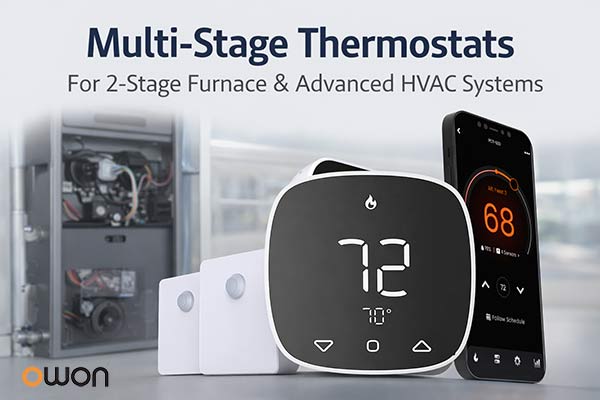
To address this challenge, modern HVAC systems often incorporate zoning strategies. Instead of relying on a single thermostat reading, multiple sensors are used to monitor different areas.
This is where solutions such as smart HVAC thermostat with zoning control become increasingly valuable. By collecting temperature data from multiple rooms, these systems can adjust HVAC output more precisely and eliminate hot or cold spots.
Compatibility with Different HVAC Systems
Multi-stage thermostats are highly versatile and can be used with a variety of HVAC configurations, including:
- Gas furnaces
- Heat pump systems
- Hybrid or dual-fuel systems
This flexibility makes them a preferred choice for contractors, system integrators, and HVAC professionals working across different project types.
When Do You Actually Need a Multi-Stage Thermostat?
Many users and HVAC buyers often ask whether a multi-stage thermostat is necessary for their system. The answer depends on the type of HVAC equipment installed.
If your system includes a 2-stage furnace or multi-stage heat pump, a compatible thermostat is essential to fully utilize its capabilities. Without proper control, the system may default to single-stage operation, reducing both efficiency and comfort.
Multi-stage thermostats are particularly beneficial in:
- Homes with noticeable temperature differences between rooms
- Buildings with varying occupancy patterns
- HVAC systems designed for energy efficiency optimization
In these cases, upgrading to a multi-stage thermostat can significantly improve performance and user comfort.
Choosing the Right Thermostat for Your System
When selecting a thermostat for a multi-stage HVAC system, several factors should be considered:
- Support for multi-stage heating and cooling
- Compatibility with 24VAC HVAC systems
- Integration with remote sensors for zoning
- Connectivity options such as WiFi or cloud-based control
Understanding these factors ensures that the thermostat can fully utilize the capabilities of the HVAC system.
Learn More About Multi-Stage Thermostat Applications
For a deeper understanding of how these systems work in real-world HVAC applications, including system design considerations and installation insights, you can explore this detailed guide on multi-stage thermostat technology.
Conclusion
As energy efficiency and indoor comfort become top priorities in modern building design, multi-stage HVAC systems are quickly becoming the standard. A well-designed multi-stage thermostat not only improves performance but also enhances long-term system reliability.
By combining multi-stage control with zoning capabilities and smart connectivity, today’s HVAC solutions are more adaptable and efficient than ever before.


























Sign in to leave a comment.