
Introduction
As smart building and IoT projects continue to evolve, accurate human detection has become a critical requirement for automation systems. Traditional motion sensors often fail to detect occupants who remain still, leading to poor performance in lighting control and HVAC automation.
To solve this problem, many system integrators are turning to the zigbee occupancy sensor, which offers wireless deployment, low power consumption, and seamless integration with building automation systems.
What Is a Zigbee Presence Sensor?
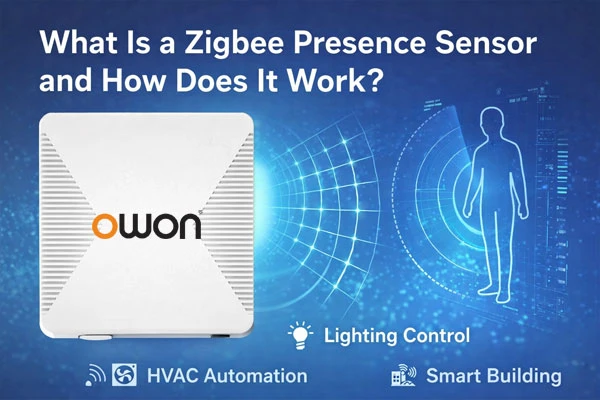
A Zigbee presence sensor is designed to detect whether a person is present in a space, rather than simply identifying motion. This is a key distinction, especially in applications where occupants may stay still for extended periods, such as offices, hotel rooms, or healthcare environments.
Unlike PIR sensors, which rely on motion detection, modern presence sensors use radar-based technology to provide more accurate and continuous detection.
How Does a Zigbee Presence Sensor Work?
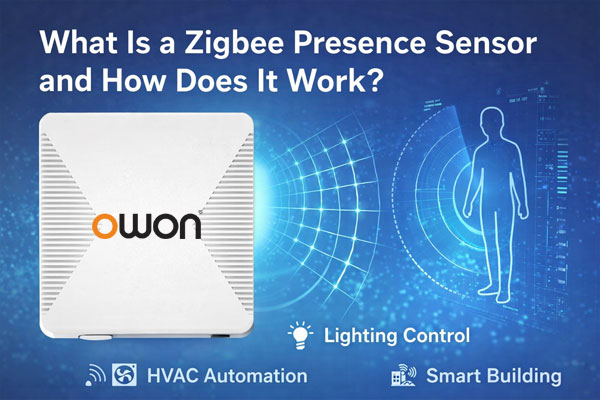
Most advanced presence sensors today are based on radar sensing technology. A built in radar occupancy sensor emits radio waves and analyzes reflections to determine whether a human is present, even if there is minimal or no visible movement.
This allows the system to detect:
- Stationary occupants
- Micro-movements such as breathing
- Subtle posture changes
Because of this, radar-based detection is significantly more reliable than traditional motion sensing in real-world environments.
Why Zigbee Is Ideal for Smart Building Applications
Zigbee technology is widely adopted in smart buildings due to its mesh networking capability, low latency, and energy efficiency. When used with presence detection, it enables:
- Reliable wireless communication across large buildings
- Scalable deployment for multiple rooms or zones
- Integration with lighting, HVAC, and security systems
For integrators and OEM customers, a zigbee occupancy sensor becomes a core component of a larger smart building ecosystem.
Real-World Applications of Presence Sensors
Zigbee presence sensors are increasingly used in:
- Smart office lighting automation
- Hotel room energy-saving systems
- HVAC occupancy-based control
- Elderly care monitoring systems
- Residential smart home automation
In these scenarios, the accuracy of detection directly impacts energy efficiency and user comfort.
OWON’s Radar-Based Presence Detection Solution
In professional projects, choosing the right hardware is essential. OWON offers advanced Zigbee-based sensing solutions designed for reliable integration into smart building systems.
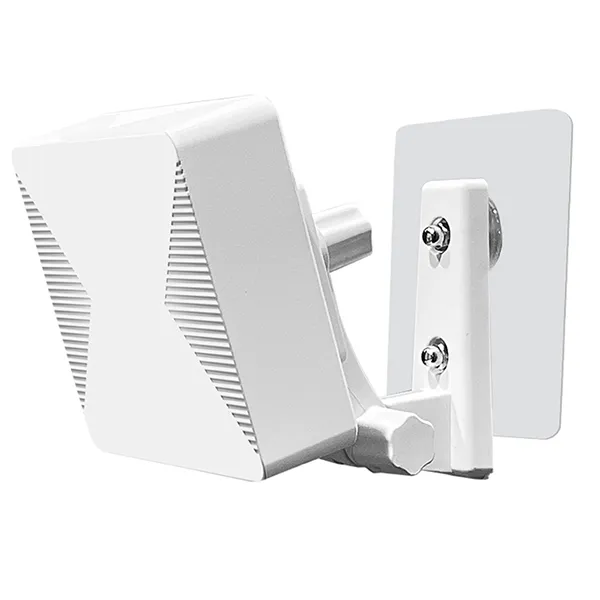
For example, OWON’s ceiling-mounted sensor integrates a built in radar occupancy sensor that enables accurate human presence detection in indoor environments. This type of solution is particularly suitable for offices, hotels, and HVAC automation systems where stable and continuous occupancy awareness is required.
With support for ZigBee 3.0 and strong compatibility with common IoT platforms, OWON sensors can be easily integrated into larger automation ecosystems, including custom BMS platforms and smart energy management systems.
Why Radar-Based Presence Sensors Are Replacing PIR
Compared to traditional PIR motion sensors, radar-based presence sensors offer several advantages:
- Continuous detection even when occupants are still
- Higher accuracy in complex indoor environments
- Better support for HVAC and energy-saving automation
- Reduced false triggers
This is why more system integrators are replacing motion sensors with radar-based presence detection solutions.
Conclusion
A Zigbee presence sensor is no longer just a simple detection device—it is a key component in modern smart building systems. By combining Zigbee connectivity with radar-based sensing, it enables more accurate automation, improved energy efficiency, and better user experience.
For B2B buyers and integrators, selecting a reliable zigbee occupancy sensor with advanced radar capability is essential for building scalable and future-proof IoT solutions.























Sign in to leave a comment.