

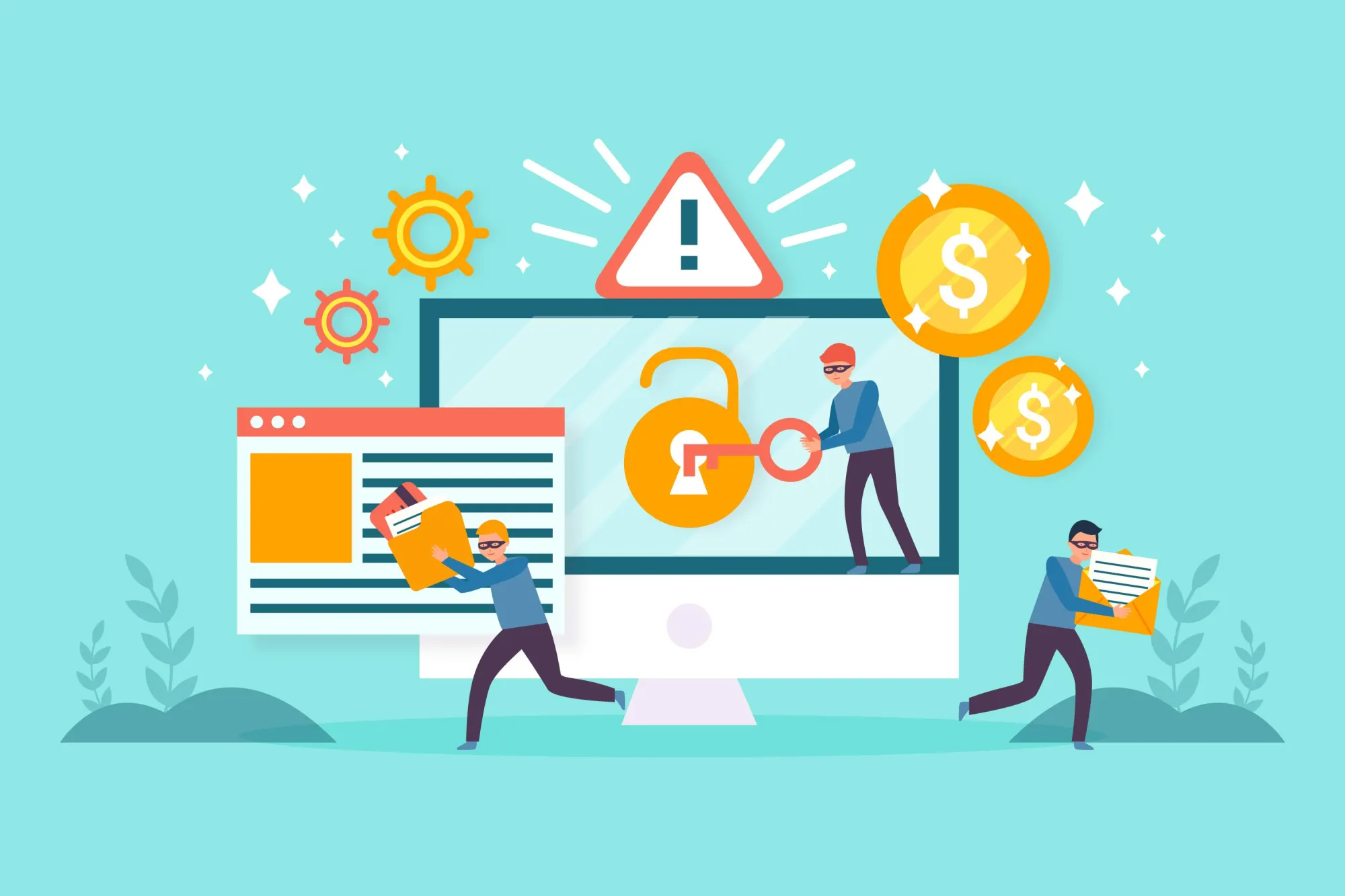
Ransomware attacks aren't the big business problem anymore. Nowadays, small businesses are the most targeted victims and least prepared to bounce back. Even a single ransomware attack can lock up operations, compromise customer data, and hemorrhage thousands for the enterprise through downtime and recovery.
However, ransomware protection for small businesses owners risks assessing the challenges they face only after it is too late. In this blog, you will know the key reasons why small businesses are in the line of attack, how ransomware gains entry and which easy security tactics can offer real ransom protection for a business
Why Small Businesses Are Frequent Ransomware Targets
The reason many smaller businesses are targeted is that attackers see them as easier and softer targets than more significant organizations. Most work with limited IT genre budgets, legacy systems, inadequate access control or a patchy security monitoring scheme. Cyber criminals know that for a small business, even a few hours of downtime could be devastating.
This urgency makes it more probable that business owners will pay ransom to get operational again. And these opportunistic ransomware campaigns target small businesses. Therefore, partnering with a reliable cybersecurity services provider gives small businesses shield to enterprise-level protection without the cost of building an in-house security team.
Common Entry Points for Ransomware Attacks
Ransomware relies on a few well-established weaknesses. As a rule, cybercriminals can be said to seek simple methods to gain entry, whether by means of human error, weak systems or poorly protected remote connections. Recognizing these entry points helps businesses fortify their defenses and minimize the chance of a successful attack.
- Phishing emails containing malicious links or attachments
- Weak, reused, or stolen passwords
- Unpatched software vulnerabilities
- Exposed Remote Desktop Protocol (RDP) services
- Compromised third-party vendors and suppliers
- Infected downloads or malicious websites
Ransomware Protection for Small Businesses: Key Security Strategies
A proactive security strategy helps stop ransomware attacks before they happen and, yeah, it also reduces the damage they can do in the end. The following steps, or measures in general, can really make your business’s defenses way stronger and more reliable.
1. Enforce Multi-Factor Authentication (MFA)
MFA is the fastest, most effective defense against ransomware. Even if attackers steal or guess a password, they cannot access your accounts without the second verification step.
- Enable MFA on email, cloud apps, VPN and admin portals
- Use an authenticator app which is stronger than SMS verification
- Make MFA mandatory for all employees and not optional
- Prioritize remote access tools and financial accounts first
2. Follow the 3-2-1 Backup Rule
Backups are your only guarantee against paying a ransom. Modern ransomware actively hunts and destroys connected backups before encrypting your primary data.
- Keep 3 copies of data across 2 different media types
- Store 1 copy completely offline or offsite
- Use immutable backups that cannot be altered or deleted
- Test restoration quarterly because untested backups often fail when needed most
3. Patch and Update All Software
Outdated software is an open invitation for ransomware. Attackers exploit known vulnerabilities within hours of public disclosure, targeting businesses that simply have not applied available updates.
- Enable automatic updates on all operating systems
- Patch third-party software including browsers, Office suites and PDF tools
- Update router and firewall firmware regularly
- Retire end-of-life software because unpatched systems stay permanently vulnerable
4. Train Employees to Spot Phishing
Over 90% of ransomware attacks begin with a phishing email. One uninformed employee click is all it takes to bring your entire business to a halt.
- Run quarterly phishing simulation training for all staff
- Teach employees to verify senders before clicking any link
- Create a blame-free process for reporting suspicious emails
- Always include executives because they are the number one phishing target
5. Deploy Endpoint Detection and Response (EDR)
Traditional antivirus cannot stop modern ransomware that disguises itself as legitimate software. EDR monitors system behavior in real time and catches threats before they fully execute.
- Replace legacy antivirus with a dedicated EDR solution
- Choose affordable options such as Microsoft Defender and CrowdStrike Falcon Go
- Monitor all endpoints including desktops, laptops and remote devices
- Enable automatic response to isolate threats instantly
6. Segment Your Network
Once ransomware enters one system, an unsegmented network lets it spread everywhere within minutes. Segmentation contains the damage before it becomes a full business shutdown.
- Separate guest Wi-Fi completely from core business systems
- Isolate sensitive data including finance, HR and customer records
- Use VLANs even on small business routers
- Pair segmentation with a next-generation firewall for layered defense
7. Build an Incident Response Plan
Most small businesses have no plan for when ransomware strikes and that silence costs them days of extra downtime. A simple, documented plan changes everything.
- Define who detects, isolates and recovers from an attack
- Document customer and regulatory notification steps clearly
- Store the plan offline because ransomware destroys internal files
- Run a tabletop exercise once a year to stay prepared
Summary
Ransomware protection for small businesses is not just an option, but important. MFA, offline backups, system hardening and patching, organization-wide training, EDR deployment, network segmentation and incident response plan are the key components of layered enterprise defense strategies for small businesses facing large scale cyber attacks. There are no enterprise budgets to protect your business you only need consistent action on right priorities from today.




























Sign in to leave a comment.