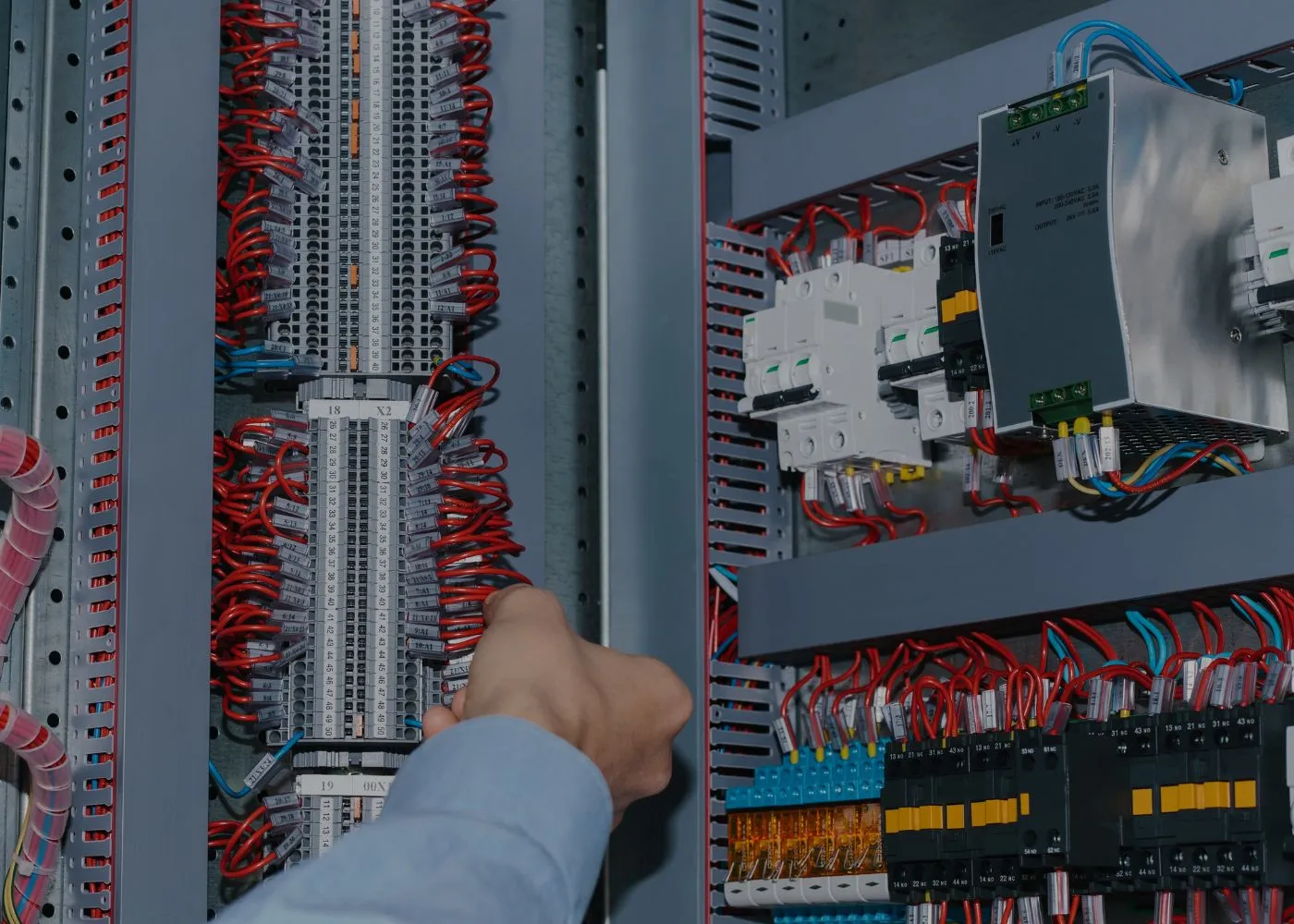

Value engineering has long been promoted as a smart way to control construction budgets. In commercial projects, it is often introduced during design development or preconstruction when owners are trying to reconcile ambitious plans with financial realities. On paper, value engineering promises to reduce costs while maintaining function. In practice, however, aggressive cost cutting in mechanical, electrical, and plumbing (MEP) systems can introduce long-term consequences that far outweigh the initial savings.
Commercial buildings are complex ecosystems. HVAC systems regulate comfort and air quality. Electrical infrastructure supports lighting, technology, safety systems, and tenant operations. Plumbing systems ensure sanitation and reliability. When value engineering reduces the integrity of these systems without careful analysis, the hidden costs begin to emerge—often months or years after construction is complete.
At Hariton Engineering, commercial MEP design is approached with long-term performance in mind. The firm understands that a building’s operational lifespan can span decades, and short-term savings should never compromise durability, efficiency, or occupant experience. In this article, we explore the hidden costs of value engineering in commercial spaces and how thoughtful engineering can protect your investment.
What Is Value Engineering in Commercial Design?
Value engineering (VE) is a systematic approach used to reduce project costs while maintaining core functionality. It often includes:
- Substituting lower-cost materials
- Reducing equipment capacities
- Simplifying system layouts
- Eliminating redundancies
- Switching to alternative manufacturers
- Removing “non-essential” features
While these adjustments can reduce upfront capital expenditures, they frequently shift cost burdens to operations, maintenance, and future upgrades.
The issue is not value engineering itself—it is how and where it is applied. In commercial spaces, MEP systems represent the operational backbone of the building. Reducing their performance or flexibility can have lasting consequences.
Note - Selecting MEP Experts For Construction in Los Angeles
The Illusion of First-Cost Savings
The most common pitfall of value engineering is focusing solely on first cost—the immediate price of equipment, materials, and installation. Commercial property owners, developers, and investors often work under tight financing structures. Reducing initial construction cost can appear beneficial when balancing budgets.
However, commercial buildings are long-term assets. Operating expenses, tenant retention, energy consumption, and maintenance costs accumulate over time. When a project team reduces upfront cost without evaluating lifecycle performance, the building may become more expensive to operate than originally anticipated.
In many cases, the “savings” realized during construction represent only a fraction of the long-term financial impact.
Hidden Cost #1: Increased Energy Consumption
One of the most common VE decisions involves HVAC systems. Examples include:
- Selecting lower-efficiency rooftop units
- Downsizing equipment to minimum code capacity
- Eliminating advanced controls
- Removing zoning flexibility
- Reducing insulation specifications
While these substitutions may reduce installation costs, they often result in higher utility bills for the life of the building. Energy costs in commercial spaces are recurring and cumulative. Even small inefficiencies multiply significantly over 10–20 years.
In addition, energy inefficiency may limit a building’s competitiveness in markets where tenants prioritize sustainability and environmental performance.
Hariton Engineering emphasizes performance-based design, helping clients evaluate total energy impact rather than focusing only on equipment price.
Hidden Cost #2: Reduced Tenant Comfort and Retention
Commercial buildings succeed when tenants are satisfied. Temperature consistency, ventilation quality, lighting performance, and reliable utilities all affect tenant experience.
Value engineering can compromise comfort in several ways:
- Reduced ventilation airflow
- Insufficient cooling during peak loads
- Inconsistent lighting coverage
- Limited electrical capacity for future tenant upgrades
When tenants experience comfort issues, productivity declines and dissatisfaction increases. In retail spaces, poor lighting and climate control can impact customer behavior. In office environments, inadequate ventilation can lead to employee complaints and increased absenteeism.
Tenant turnover is expensive. Vacancy periods, marketing costs, and tenant improvement allowances can quickly overshadow the initial savings gained during VE.
Hidden Cost #3: Limited System Flexibility
Commercial buildings often undergo tenant improvements and layout changes. When electrical panels are undersized or spare capacity is eliminated to reduce cost, future modifications become difficult and expensive.
Examples include:
- Removing spare breaker space
- Downsizing electrical feeders
- Eliminating redundant circuits
- Designing plumbing systems without expansion capacity
When new tenants require additional power or different layouts, upgrades may require shutting down service, installing new panels, or rerouting systems. These retrofits are typically far more expensive than designing flexibility into the system from the start.
Forward-thinking MEP design accounts for growth, adaptability, and future modifications—protecting long-term asset value.
Note - Why An Arc Flash Analysis Can Save You Time & Money
Hidden Cost #4: Increased Maintenance and Equipment Failure
Lower-cost equipment may meet minimum code standards but lack durability. Value engineering substitutions sometimes involve:
- Equipment with shorter warranties
- Less robust internal components
- Limited manufacturer support
- Reduced service accessibility
Over time, maintenance frequency increases and equipment lifespan decreases. Property managers face more service calls, unexpected breakdowns, and emergency repairs.
Commercial downtime—especially in medical facilities, retail centers, or mixed-use developments—can be extremely costly. Investing in reliable equipment during design reduces long-term operational disruptions.
Hariton Engineering evaluates equipment options not only on cost, but on reliability, serviceability, and long-term support availability.
Hidden Cost #5: Compliance and Code Risk
Commercial construction must comply with evolving building codes, energy standards, and safety regulations. Aggressive value engineering may meet current minimum code requirements but leave little margin for future updates.
For example:
- Electrical systems designed without growth capacity
- Ventilation rates reduced to bare minimum thresholds
- Fire-life safety systems simplified
- Emergency power provisions minimized
When codes update—or when occupancy classifications change—the building may require significant retrofits to remain compliant. These costs can be far greater than the initial VE savings.
Engineering decisions should anticipate regulatory evolution, not merely meet present-day requirements.
Hidden Cost #6: Reduced Property Value
Investors and buyers increasingly evaluate building performance metrics such as energy efficiency, system quality, and infrastructure resilience. A commercial building with undersized systems, inefficient equipment, or limited flexibility may command lower market value.
Sophisticated tenants also evaluate:
- Power reliability
- HVAC zoning control
- Lighting quality
- Sustainability performance
If the building cannot support modern technology or efficiency standards, leasing competitiveness declines.
Strategic MEP investment enhances long-term property value, protecting return on investment beyond initial construction budgets.
Hidden Cost #7: Construction Coordination Conflicts
In some cases, VE leads to system redesign late in the process. Substituting equipment or rerouting systems after coordination can cause:
- Clash conflicts in ceilings
- Structural penetration revisions
- Permit resubmittals
- Schedule delays
Late-stage changes disrupt coordination and increase labor costs. This often negates the anticipated financial savings.
Proper engineering evaluation early in the design process prevents rushed substitutions that impact the construction timeline.
When Value Engineering Makes Sense
Value engineering is not inherently negative. When performed thoughtfully, it can identify inefficiencies and eliminate unnecessary expense. The key is focusing on:
- Lifecycle cost analysis
- Energy modeling and performance evaluation
- Flexibility and adaptability
- Maintenance implications
- Code compliance stability
Hariton Engineering supports clients by balancing budget constraints with long-term performance goals. The objective is to optimize systems—not weaken them.
A Smarter Approach to Commercial MEP Design
The most successful commercial projects treat engineering systems as long-term investments rather than short-term expenses. A building’s mechanical, electrical, and plumbing infrastructure directly impacts operational cost, tenant satisfaction, and overall asset performance.
By collaborating with experienced engineers early in the design process, owners can:
- Identify cost-saving opportunities that do not compromise performance
- Evaluate equipment alternatives based on lifecycle value
- Preserve system flexibility for future growth
- Maintain compliance and adaptability
- Protect building reputation and market competitiveness
Hariton Engineering works closely with developers, architects, and contractors to deliver MEP solutions that align financial goals with operational excellence.
Also read this post - Transforming Infrastructure With Advanced Utility Data
Conclusion
Value engineering in commercial spaces must be handled carefully. While reducing initial construction costs may seem advantageous, aggressive or poorly analyzed substitutions often introduce hidden expenses that surface long after the project is complete.
Higher energy bills, increased maintenance, tenant dissatisfaction, compliance risks, and limited expansion capability can dramatically reduce a building’s long-term value. The true cost of value engineering is rarely visible at the time of decision—but it becomes clear over the building’s operational lifespan.
By prioritizing thoughtful engineering, lifecycle performance, and strategic design, commercial property owners can avoid these hidden costs and create spaces that remain efficient, flexible, and profitable for years to come.
If you are planning a commercial project and want to ensure cost efficiency without compromising long-term performance, partnering with a knowledgeable engineering firm makes all the difference.
Contact Hariton Engineering
Hariton Engineering
📍 Address: 456 E Orange Grove Blvd, Suite 301 Pasadena CA, 91104
📞 Phone: (626) 449-4223
🌐 Website: https://haritoneng.com/




























Sign in to leave a comment.