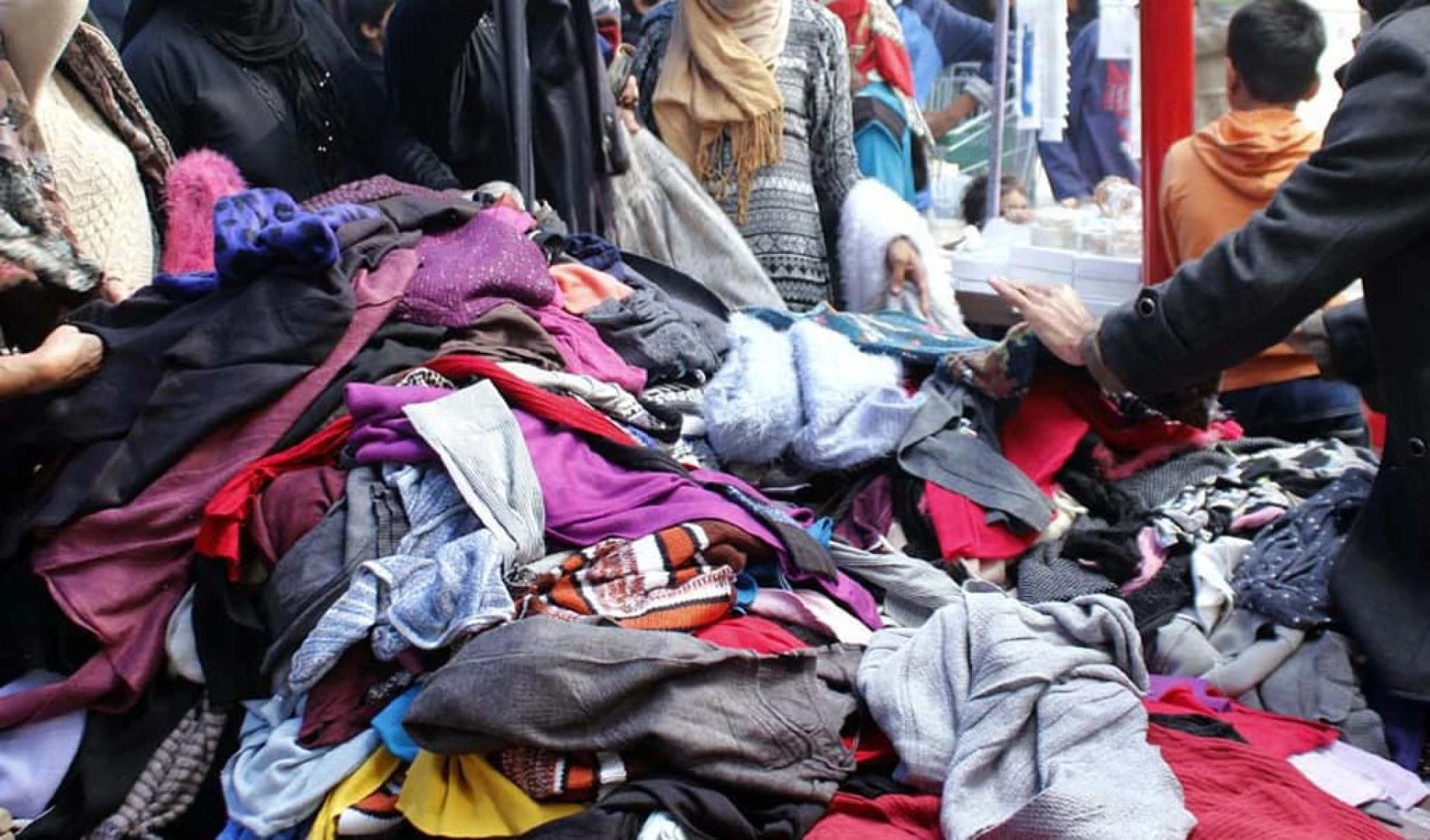

In recent years, the fashion industry has undergone a dramatic shift towards fast fashion—a trend characterized by rapid production cycles, low prices, and disposable garments. While fast fashion has made trendy clothing more accessible than ever before, its environmental impact is cause for concern. From excessive resource consumption to high levels of clothing waste, the consequences of fast fashion are far-reaching. In this blog, we'll explore how consumer choices contribute to clothing waste and what we can do to reduce our environmental footprint in the world of fashion.
The Rise of Fast Fashion
Fast fashion brands churn out new styles at breakneck speed, capitalizing on consumer demand for trendy clothing at affordable prices. This business model relies on cheap labor, low-quality materials, and mass production to keep costs down and profits high. As a result, clothing has become increasingly disposable, with garments often worn only a handful of times before being discarded.
Consumer Culture and Overconsumption
One of the primary drivers of clothing waste is consumer culture and the pressure to constantly update our wardrobes with the latest styles. Social media, influencer marketing, and advertising campaigns fuel a relentless cycle of consumption, convincing consumers that they need to buy more to stay fashionable and relevant. This mindset leads to impulse purchases, closet clutter, and ultimately, clothing waste.
The Environmental Impact of Fast Fashion
The environmental impact of fast fashion is staggering. From the extraction of raw materials to the manufacturing process and transportation, every step of the supply chain contributes to pollution, deforestation, and greenhouse gas emissions. Additionally, the disposal of clothing waste adds to the burden on landfills, where textiles can take hundreds of years to decompose, releasing harmful chemicals and greenhouse gases in the process.
Addressing Clothing Waste Through Sustainable Practices
To combat the negative effects of fast fashion and reduce clothing waste, consumers can adopt a more mindful and sustainable approach to shopping. Here are some practical steps we can take:
Buy Less, Choose Well: Instead of succumbing to the allure of fast fashion trends, focus on building a timeless and versatile wardrobe with high-quality, durable pieces that will stand the test of time.Support Sustainable Brands: Seek out fashion brands that prioritize sustainability, ethical labor practices, and transparency in their supply chain. Look for certifications such as Fair Trade, GOTS (Global Organic Textile Standard), and B Corp to ensure you're supporting responsible companies.Invest in Quality: When shopping for clothing, prioritize quality over quantity. Invest in well-made garments that are built to last, even if they come with a higher price tag. Remember, paying more upfront for a quality item can save money in the long run and reduce the need for frequent replacements.Choose Secondhand: Embrace the thrifting trend and explore secondhand and vintage stores for unique and affordable clothing finds. Buying secondhand not only reduces clothing waste but also gives old garments a new lease on life.Repair and Upcycle: Instead of discarding damaged or worn-out clothing, consider repairing or upcycling them into new creations. With a little creativity and DIY know-how, you can breathe new life into old garments and reduce your environmental impact in the process.Donate or Swap: When it's time to part ways with clothing you no longer need or wear, consider donating them to charity organizations or participating in clothing swap events. By giving unwanted garments a second chance, you can help reduce clothing waste and support those in need.Conclusion
The impact of fast fashion on clothing waste is undeniable, but as consumers, we have the power to make a difference. By making mindful choices and adopting sustainable practices, we can reduce our environmental footprint and create a more ethical and responsible fashion industry. Let's strive to buy less, choose well, and embrace a more sustainable approach to fashion that benefits both people and the planet. Together, we can make a positive impact and pave the way for a more sustainable future.























Sign in to leave a comment.