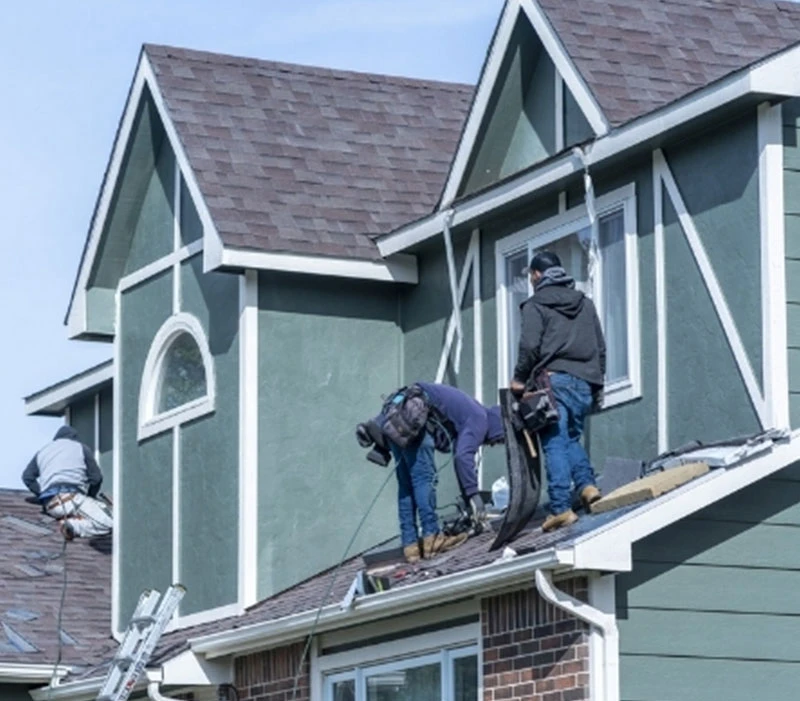

When a hailstorm strikes, the damage it causes can be both immediate and long-lasting — especially for your roof. While some signs are visible right away, others might take months to reveal themselves, leading to costly repairs and even interior water damage if left untreated. In hail-prone areas like Andover, MN, understanding the full impact of hail and knowing how to respond quickly is essential to maintaining the integrity of your home.
Here’s a detailed guide on how hail affects roofing systems and what steps you should take immediately afterward.
How Hail Damages Different Roofing Materials
Not all roofing systems react to hail in the same way. The severity of damage depends on hail size, wind speed, roof age, and material type. Let’s break down what typically happens to the most common materials:
Asphalt Shingles
These are particularly vulnerable to hail. The protective granules on the surface can be knocked off, exposing the underlying asphalt. This speeds up deterioration and leaves your roof more vulnerable to leaks and UV damage.
Metal Roofing
Metal roofs usually withstand hail better, but large hailstones can still dent the surface. While dents might not cause immediate leaks, they can affect the aesthetic and potentially compromise structural elements over time.
Wood Shingles or Shakes
Wood can split under the force of hail, especially if it’s already weathered. Cracks in wooden roofing create pathways for moisture and pests, accelerating decay.
Slate or Tile Roofing
Though extremely durable, slate and tile can crack or shatter when hit by large hailstones. Replacing individual tiles is possible, but ignoring damage risks water infiltration beneath the surface.
Signs Your Roof Has Suffered Hail Damage
You may not always see damage from the ground, which is why a roof inspection is critical after a storm. However, here are some common warning signs:
- Dented flashing, gutters, or vents – If soft metals around the roof show dents, it's a strong indication your roof took a hit.
- Loose or missing shingles – Hail combined with wind can dislodge materials.
- Granule loss – Check your gutters or downspouts for excessive shingle granules.
- Water stains or leaks – New stains on ceilings or walls suggest compromised roofing layers.
- Splintered wood or broken tiles – Especially with older or brittle roofing materials.
If you notice any of these signs, contacting a company that offers professional roofing services in Andover MN should be your next step.
Why You Shouldn’t Ignore Hail Damage
Hail damage often appears cosmetic at first. Some homeowners postpone repairs because the roof still “looks okay.” But this can be a costly mistake.
Small dents or granule loss may not cause immediate leaks, but they reduce your roof’s resistance to future weather events. UV exposure accelerates wear, moisture gets trapped in damaged layers, and what was once a minor issue can quickly spiral into mold, rot, or interior water damage.
What to Do After a Hailstorm
1. Document the Storm
Take photos of the hailstones (place a ruler next to them to show size), any visible damage to your property, and timestamps if possible. This documentation is helpful if you file an insurance claim.
2. Schedule a Roof Inspection
Don’t attempt to climb up yourself — especially after a storm when the roof may be unstable. Reach out to providers of professional roofing services in Andover MN to perform a detailed inspection. They can identify both visible and hidden damage.
3. Contact Your Insurance Company
Most homeowner policies cover hail damage, but documentation and prompt communication are essential. Provide your inspection report and photos to support your claim.
4. Get an Estimate for Repairs or Replacement
Once damage is confirmed, request a written estimate from a licensed contractor. Be wary of out-of-town “storm chasers” offering quick fixes — local professionals are familiar with regional weather patterns, insurance processes, and building codes.
Benefits of Using Local Roofing Professionals
Working with a local contractor for storm-related damage ensures personalized service, accountability, and quality workmanship. Reputable companies offering professional roofing services in Andover MN bring more than just tools — they bring experience handling hail damage specific to Minnesota’s weather conditions.
They’re also likely to know how to navigate insurance claims, help you understand what’s covered, and offer advice on upgrading materials for better hail resistance in the future.
Preventing Future Hail Damage
While no roof is completely hail-proof, you can make smart decisions to protect your home better:
- Upgrade to impact-resistant shingles – Many brands now offer shingles rated to withstand hail up to two inches in diameter.
- Reinforce roof decking – A stronger base layer can reduce damage and extend your roof’s lifespan.
- Keep up with maintenance – Loose shingles or exposed nails become vulnerabilities in a hailstorm.
- Trim overhanging branches – Trees can cause additional damage if branches break during a storm.
Final Thoughts
Hailstorms may be unavoidable, but the damage they cause doesn’t have to spell disaster for your home. The key is early detection, prompt action, and trusted guidance from experts who know the local conditions. If you’ve recently experienced a hailstorm — or simply want peace of mind before the next one hits — investing in an inspection from a company that provides professional roofing services in Andover MN is a smart and proactive move.
Don’t wait until the next storm exposes hidden damage. Take control now, protect your investment, and ensure your home stays secure no matter what the sky throws your way.

























Sign in to leave a comment.