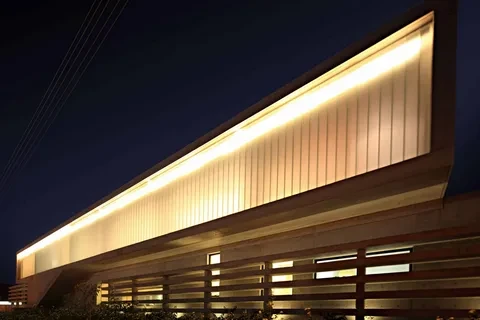

When designing a building or any space, lighting plays a crucial role in bringing the vision to life. Architectural lighting is more than just a way to illuminate a space; it enhances the design, highlights features, and creates the right atmosphere. In this blog, we will explore the different types of architectural lighting and how it can transform your space.
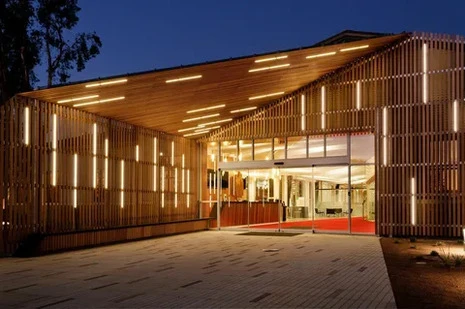
What is Architectural Lighting?
Architectural lighting is the art and science of using light to enhance the architecture of a building or space. It goes beyond simply lighting up a room—it’s about using light to highlight specific features, create ambiance, and improve the overall design. The right lighting can completely change how we perceive a space, making it feel more open, cozy, or dramatic.
1. Types of Architectural Lighting
There are several different types of architectural lighting. Each one serves a different purpose and can be used in various ways to create unique effects in a space.
Ambient Lighting
This is the general, overall lighting in a space. It’s the foundation of any lighting design and is typically provided by overhead lights or ceiling-mounted fixtures. Ambient lighting ensures the space is well-lit and comfortable.
Task Lighting
Task lighting is more focused and is used to illuminate areas where specific tasks need to be performed. For example, in kitchens or offices, task lighting is essential for providing sufficient light for cooking, reading, or working.
Accent Lighting
Accent lighting is used to highlight specific features or areas of a space. It’s often used to showcase artwork, architectural details, or plants. By focusing light on these features, accent lighting creates drama and adds visual interest.
Decorative Lighting
Decorative lighting isn’t just functional, it’s also an important design element. Chandeliers, pendant lights, and sconces are examples of decorative lighting that not only provide illumination but also enhance the aesthetic appeal of a room.
How Architectural Lighting Impacts a Space
Good architectural lighting can significantly impact the mood, functionality, and overall aesthetic of a space. It can be used to create an inviting atmosphere, highlight certain architectural features, and even make a room appear larger or more intimate. Let's dive into how lighting affects different aspects of design.
1. Enhances the Aesthetic Appeal
Lighting can bring out the best features of a building or room. For instance, highlighting a unique wall texture, a piece of artwork, or the shape of the furniture can make those elements stand out. Architectural lighting adds depth and character to any space, turning it from ordinary to extraordinary.
2. Creates the Right Atmosphere
The right lighting can make a room feel cozy, lively, or even dramatic. For example, soft, warm lights create a relaxed, intimate feel, while bright, cool lights can make a space feel vibrant and energetic. By controlling the intensity and color of the light, you can change the entire mood of a room.
3. Improves Functionality
In spaces where tasks are performed, such as kitchens, offices, or bathrooms, good lighting is crucial for functionality. Task lighting ensures that work can be done safely and efficiently. Proper lighting can reduce eye strain, improve focus, and help people perform their tasks more effectively.
4. Saves Energy
With modern LED technology, architectural lighting can be energy-efficient. LED lights use less energy than traditional bulbs, making them a great option for reducing electricity bills and promoting sustainability. By incorporating energy-saving lighting options, you can enhance your space while also being environmentally responsible.
How to Choose the Right Architectural Lighting for Your Space
Choosing the right architectural lighting depends on the specific needs of your space. Here are some tips to help you select the best lighting options:
1. Consider the Purpose of the Space
Think about how the space will be used. For example, in a living room, you might want a combination of ambient and accent lighting to create a cozy atmosphere. In an office, you’ll need bright, focused task lighting for better productivity.
2. Think About Design Style
The lighting you choose should complement the overall design of the space. For a modern, minimalist design, sleek, simple lighting fixtures may be the best option. For more traditional or rustic spaces, you might choose fixtures with more texture and warmth.
3. Layer Your Lighting
Instead of relying on just one type of light, layer different types of lighting for a more dynamic and functional space. Combine ambient, task, and accent lighting to create balance and depth.
4. Pay Attention to Light Temperature
Light temperature, measured in Kelvins (K), can affect how a space feels. Warm light (below 3000K) creates a relaxing and cozy atmosphere, while cool light (above 4000K) feels brighter and more energizing. Choose a light temperature that fits the purpose of your space.
The Benefits of Architectural Lighting
There are several advantages to investing in good architectural lighting. Let's take a look at some of the benefits:
1. Improved Visual Appeal
Lighting can make a space look more beautiful and interesting. It can emphasize the architectural features of a building and add a unique touch to its design.
2. Increased Functionality
The right lighting helps improve the functionality of a space. For example, in work areas, good lighting helps with concentration and reduces eye strain, making tasks easier to complete.
3. Energy Efficiency
Architectural lighting can be energy-efficient, especially when using LED lights. These lights use less energy and last longer, which helps save money on electricity bills.
4. Versatility
Lighting is versatile and can be adapted to suit any space, from residential homes to commercial buildings. Whether you need ambient lighting for relaxation or task lighting for work, architectural lighting can be customized to meet your needs.
Conclusion: Why You Need the Right Architectural Lighting
Choosing the right architectural lighting can greatly enhance the atmosphere, functionality, and aesthetic appeal of your space. It’s an important part of any design, and when done right, it can transform your environment into something truly special.
If you’re ready to elevate your space with the perfect lighting, don’t hesitate to contact professionals who can guide you through the process. Get in touch with us today to discuss your lighting needs and start creating the perfect ambiance for your space!
For more info visit us :
Website:https://starfacadelighting.com/
Phone:97143306778
Address: Property Number S1, Orbit Way, Plot NO: 3640-159 Al Quoz Industrial Area 1, PO Box: 31981, Dubai, UAE
E-mail ID:[email protected]
Google Business Profile:https://maps.app.goo.gl/auz52PkQVNzgTXj77
Facebook:https://www.facebook.com/people/Star-Facade-Lighting/100084121635806/
Instagram:https://www.instagram.com/starfacadelighting/
Youtube:https://www.youtube.com/channel/UCrFbjvwjUK5TOr8C8JStA0Q



























Sign in to leave a comment.