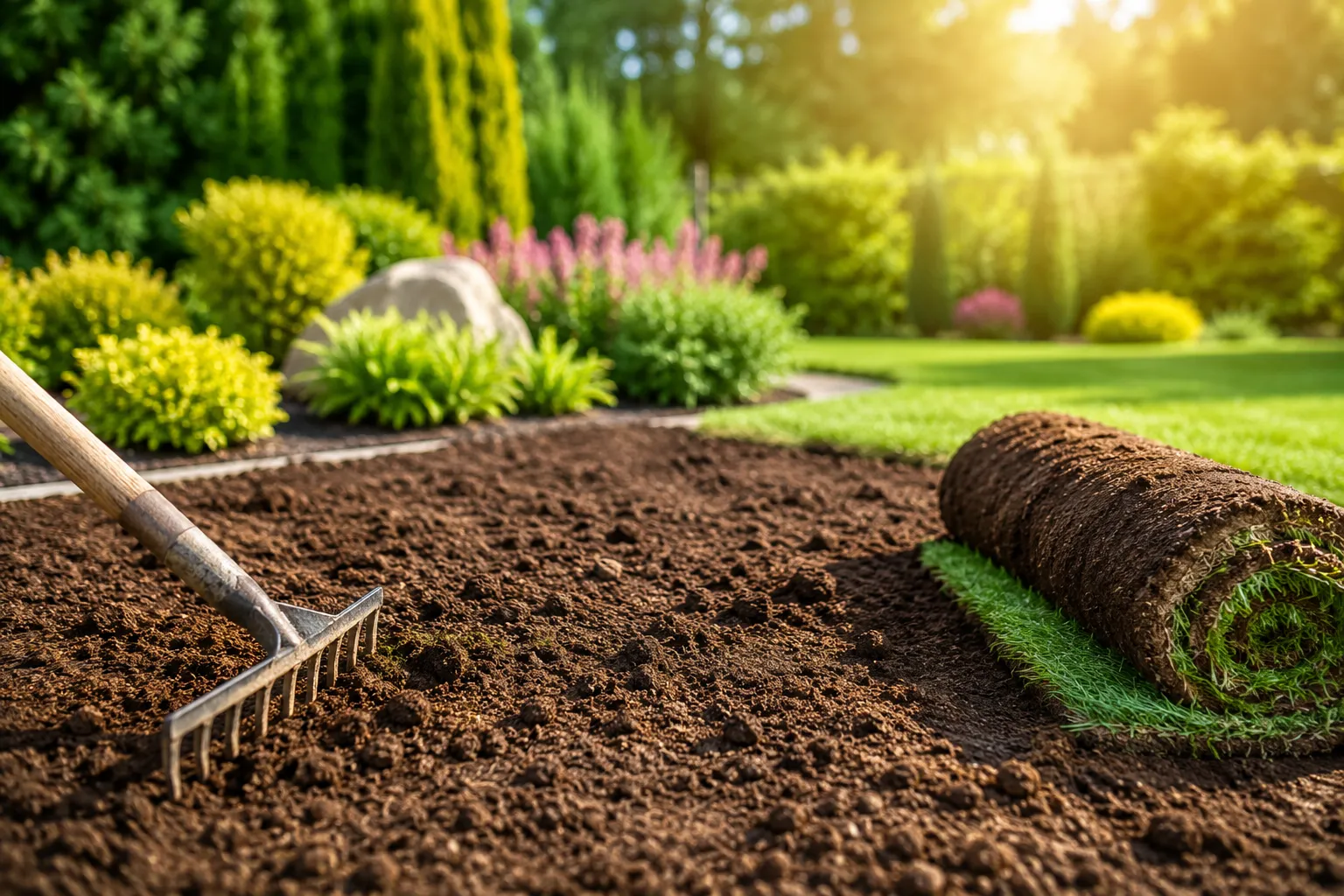

Creating a beautiful outdoor space involves much more than planting flowers and laying turf. One of the most important steps in successful landscaping services is proper soil preparation. Healthy soil provides the foundation for strong plant growth, improved drainage, and long-lasting landscapes. Without preparing the soil correctly, even the most attractive landscaping designs can struggle to thrive.
Why Soil Preparation Matters
Soil acts as the main support system for plants. It supplies nutrients, water, and oxygen to roots while helping plants remain stable. Poor-quality soil can lead to weak plant growth, drainage problems, and increased maintenance costs. Professional landscaping services focus on soil preparation because it directly affects the health and appearance of gardens, lawns, and outdoor features.
Properly prepared soil improves plant survival rates and encourages healthy root development. It also helps reduce weed growth and prevents issues such as soil erosion and water runoff. Whether for residential gardens or commercial landscapes, preparing the soil ensures long-term success.
Understanding Soil Types
Different soil types affect landscaping results in different ways. Some soils drain too quickly, while others retain too much water. Professional landscapers often test the soil before beginning any project to determine its condition and nutrient levels.
The most common soil types include:
- Clay Soil: Holds water well but can become compacted and restrict root growth.
- Sandy Soil: Drains quickly but may lack nutrients and moisture retention.
- Loamy Soil: Considered ideal because it balances drainage, nutrients, and moisture.
Understanding the soil type allows landscaping professionals to make the right improvements for healthy plant growth.
Key Steps in Soil Preparation
1. Soil Testing
The first step in soil preparation is testing the soil’s pH and nutrient content. This helps identify deficiencies and determines what amendments are needed. Soil testing ensures that plants receive the correct balance of nutrients.
2. Removing Debris and Weeds
Clearing rocks, weeds, roots, and old plant material is essential before landscaping begins. Removing debris creates a clean surface for planting and reduces competition for nutrients and water.
3. Improving Soil Structure
Compacted soil limits air and water movement. Landscaping services often loosen the soil through tilling or aeration to improve root penetration. Organic matter such as compost can also be added to increase soil fertility and moisture retention.
4. Adding Nutrients
Healthy plants require nutrients like nitrogen, phosphorus, and potassium. Fertilizers and organic compost enrich the soil and support strong plant development. Organic materials also encourage beneficial microorganisms that improve soil quality over time.
5. Ensuring Proper Drainage
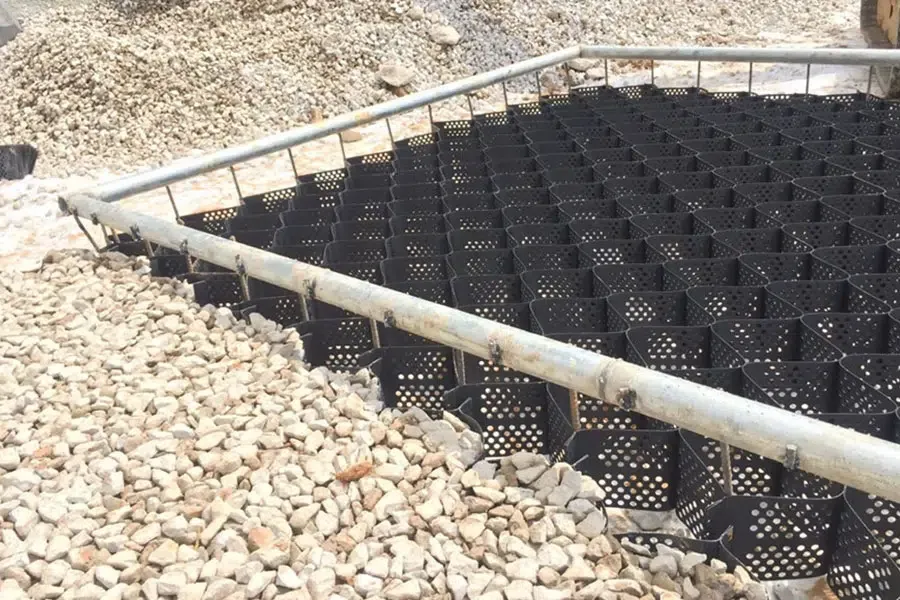
Poor drainage can damage plants and create waterlogging problems. Professional landscapers may adjust the soil grade or install drainage systems to prevent excess water accumulation. Good drainage protects plant roots and maintains the stability of the landscape.
Benefits of Proper Soil Preparation
Healthier Plants and Lawns
Prepared soil promotes stronger roots, greener lawns, and healthier flowers and shrubs. Plants become more resistant to pests, diseases, and harsh weather conditions.
Reduced Maintenance Costs
Landscapes built on healthy soil require less watering, fertilizing, and plant replacement. This reduces ongoing maintenance expenses and saves time for property owners.
Better Water Efficiency
Well-prepared soil absorbs and retains water more effectively. This reduces water waste and supports environmentally friendly landscaping practices.
Enhanced Landscape Appearance
Healthy soil creates vibrant gardens and lush lawns that improve curb appeal and property value. A strong foundation allows landscaping designs to remain attractive for years.
Professional Landscaping Makes a Difference
While soil preparation may seem simple, it requires expertise and proper planning. Professional landscaping services understand how to analyze soil conditions and apply the right treatments for different plants and environments. Their experience helps prevent common landscaping problems and ensures long-lasting outdoor beauty.
Conclusion
Soil preparation is one of the most important parts of any landscaping project. It creates the foundation for healthy plants, efficient drainage, and sustainable outdoor spaces. By investing in proper soil preparation, homeowners and businesses can enjoy stronger landscapes that remain beautiful and functional for years to come. Professional landscaping services ensure the soil is ready to support thriving gardens, lawns, and outdoor living areas.


























Sign in to leave a comment.