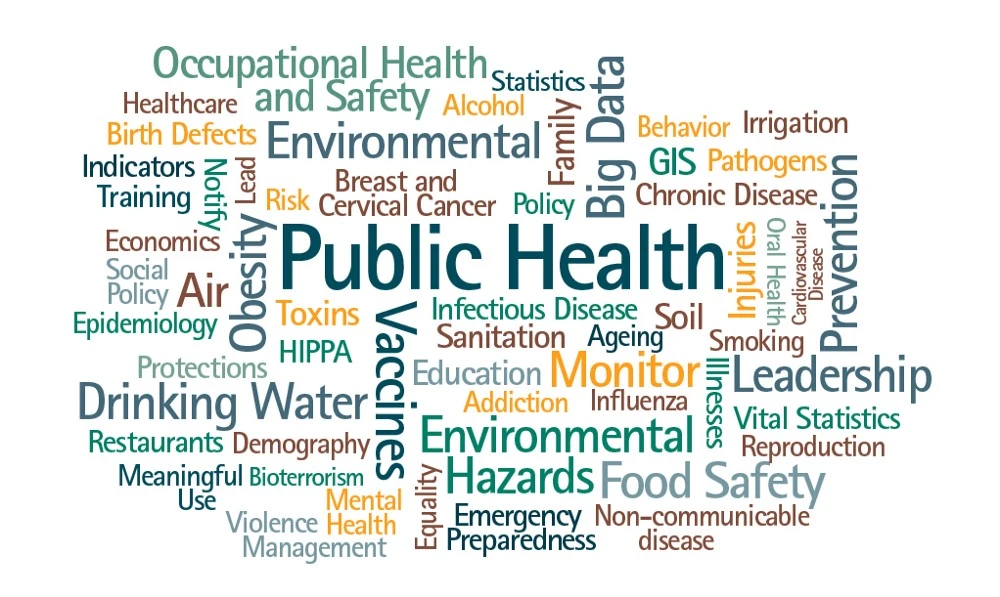

The public health and community work sector in Pakistan faces various challenges, including inadequate infrastructure, limited resources, and high population density. The country grapples with infectious diseases, maternal and child health issues, and a lack of healthcare accessibility in remote areas. Government initiatives aim to improve healthcare delivery through vaccination programs, health education, and community engagement. Non-governmental organizations also play a vital role in addressing health disparities.
The Public Health and Community work sector in Pakistan faces a myriad of flaws and deficiencies that hinder the effective delivery of healthcare services and community well-being. From inadequate infrastructure to insufficient resources, these challenges pose significant barriers to achieving optimal public health outcomes. In this essay, we will delve into the key issues plaguing the sector, exploring the root causes and potential solutions.
1. Limited Infrastructure: One of the fundamental challenges in the public health and community work sector of Pakistan is insufficient infrastructure. Many regions lack well-equipped hospitals, clinics, and healthcare facilities. This deficiency results in compromised healthcare services, particularly in rural and remote areas where the majority of the population resides. The inadequacy of infrastructure not only affects the provision of basic healthcare but also impedes the response to public health and community work emergencies.
2. Insufficient Healthcare Workforce: Pakistan faces a shortage of qualified healthcare professionals, including doctors, nurses, and allied health workers. The limited workforce is unable to meet the growing healthcare demands of the population. This shortage is further exacerbated by brain drain, as many skilled healthcare professionals seek better opportunities abroad due to inadequate working conditions, low salaries, and a lack of career growth prospects.
3. Inadequate Funding and Resource Allocation: The public health and community work sector in Pakistan often grapples with insufficient financial resources. The allocated budget for healthcare is frequently insufficient to address the diverse and complex health needs of the population. Limited funding affects the procurement of essential medical equipment, drugs, and the implementation of preventive health programs. As a result, the sector struggles to provide quality healthcare services and fails to effectively prevent and control diseases.
4. High Disease Burden: Pakistan faces a high burden of communicable and non-communicable diseases. Diseases such as tuberculosis, malaria, and hepatitis are prevalent, contributing to a significant number of illnesses and deaths. Additionally, non-communicable diseases like cardiovascular diseases and diabetes are on the rise. The healthcare system’s response to these health challenges is often inadequate, leading to increased morbidity and mortality rates.
5. Inequitable Access to Healthcare: Access to healthcare services in Pakistan is characterized by significant disparities, with rural areas suffering from limited access compared to urban regions. This urban-rural divide exacerbates health inequalities, with marginalized populations facing higher barriers to healthcare. Limited access to essential services such as immunization, maternal care, and reproductive health services contributes to preventable diseases and increased maternal and child mortality rates.
6. Weak Disease Surveillance and Health Information Systems: Effective disease surveillance and health information systems are crucial for timely identification, tracking, and response to health threats. However, Pakistan’s public health and community work sector struggles with a weak surveillance system, hindering the early detection of outbreaks and the implementation of prompt interventions. This deficiency impairs the ability to control the spread of diseases and results in delayed public health responses.
7. Water and Sanitation Issues: Poor water and sanitation infrastructure contribute significantly to the prevalence of waterborne diseases in Pakistan. Lack of access to clean drinking water and proper sanitation facilities heightens the risk of diseases such as cholera and diarrheal infections. The inadequate provision of safe water and sanitation services particularly affects rural communities, impacting their overall health and well-being.
8. Limited Focus on Preventive Healthcare: The public health and community work sector in Pakistan tends to be more curative than preventive. There is a limited emphasis on preventive healthcare measures, such as vaccination programs, health education, and promotion of healthy lifestyles. This approach leads to higher healthcare costs, as preventable diseases become more prevalent, placing an additional burden on the already strained healthcare system.
9. Sociocultural Barriers: Sociocultural factors play a significant role in influencing health-seeking behaviors in Pakistan. Deep-rooted cultural norms, beliefs, and practices sometimes hinder the acceptance of modern healthcare practices. Additionally, gender disparities and limited awareness about healthcare rights contribute to suboptimal health outcomes, particularly among women and marginalized communities.
10. Lack of Mental Health Services: Mental health is often neglected in the public health agenda of Pakistan. There is a scarcity of mental health services, and the existing services are insufficient to address the growing burden of mental health disorders. Stigmatization surrounding mental health issues further prevents individuals from seeking help, exacerbating the mental health crisis in the country.
Addressing the Flaws and Deficiencies:
To overcome the challenges in the public health and community work sector of Pakistan, a comprehensive and multifaceted approach is required. The following strategies can be considered:
1. Increased Investment in Healthcare: The government should allocate a higher budget to the healthcare sector, focusing on infrastructure development, procurement of essential resources, and improvement of healthcare facilities. Adequate funding is essential to address the diverse health needs of the population and strengthen the overall healthcare system.
2. Workforce Development and Retention: Efforts should be made to train and retain healthcare professionals within the country. This includes providing competitive salaries, ensuring better working conditions, and offering professional development opportunities. Incentives can also be introduced to discourage the brain drain of skilled healthcare professionals.
3. Strengthening Primary Healthcare: Prioritizing and strengthening primary healthcare services, especially in rural areas, can improve access to essential health services. This involves establishing well-equipped primary health centers, deploying trained healthcare workers, and implementing community-based health programs.
4. Enhanced Disease Surveillance and Response: Investments in robust disease surveillance systems and health information technologies are critical. Early detection of outbreaks, timely data reporting, and effective response mechanisms can help control the spread of diseases and prevent health crises.
5. Focus on Preventive Healthcare: Shifting the focus from curative to preventive healthcare is crucial for reducing the disease burden. This includes implementing vaccination programs, promoting health education, and encouraging healthy lifestyle choices through public awareness campaigns.
6. Improving Water and Sanitation Infrastructure: Investing in clean water and sanitation infrastructure is essential to mitigate waterborne diseases. This involves upgrading existing facilities, ensuring access to clean water in both urban and rural areas, and promoting hygiene practices to prevent the spread of infections.
7. Addressing Sociocultural Barriers: Promoting awareness and education about healthcare rights, particularly among women and marginalized communities, can help overcome sociocultural barriers. Community engagement and involvement in healthcare decision-making can foster a more inclusive and culturally sensitive approach to healthcare delivery.
8. Integration of Mental Health Services: Recognizing the importance of mental health, integrating mental health services into the primary healthcare system is crucial. This involves training healthcare professionals, reducing stigma, and creating awareness about mental health issues to encourage seeking help.
In conclusion, the Public Health and Community work sector in Pakistan face numerous flaws and deficiencies, ranging from inadequate infrastructure to sociocultural barriers. Addressing these challenges requires a comprehensive and collaborative effort from the government, healthcare professionals, and the community. By prioritizing investment in healthcare, strengthening infrastructure, and implementing preventive measures, Pakistan can work towards achieving better public health outcomes and ensuring the well-being of its population.

























Sign in to leave a comment.