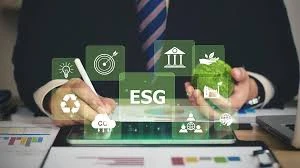

Environmental, Social, and Governance (ESG) reporting has become a defining feature of the corporate landscape in Malaysia. With the global shift towards sustainability and responsible business, Bursa Malaysia has introduced significant enhancements to its ESG reporting requirements, setting a new benchmark for transparency, accountability, and comparability among listed companies.
This article provides a comprehensive overview of the latest ESG reporting mandates, their phased implementation, and practical steps for compliance, helping organisations understand what is required to stay ahead in this evolving regulatory environment.
The Evolution of ESG Reporting in Malaysia
Bursa Malaysia has progressively strengthened its sustainability reporting requirements over the years. The latest amendments, effective from 2025, are aligned with the National Sustainability Reporting Framework (NSRF) and the International Financial Reporting Standards (IFRS) Sustainability Disclosure Standards, specifically IFRS S1 and S2. This alignment places Malaysia at the forefront of global ESG disclosure practices, ensuring that local companies meet international expectations and investor demands.
Key Features of the New ESG Reporting Requirements
1. Adoption of IFRS Sustainability Disclosure Standards
All listed issuers must now prepare their sustainability statements by IFRS S1 (General Requirements for Disclosure of Sustainability-related Financial Information) and IFRS S2 (Climate-related Disclosures). These standards provide a globally recognised framework for reporting on sustainability-related risks and opportunities, enhancing the reliability and comparability of disclosures.
2. Mandatory Sustainability Statement in Annual Reports
From 2025 onwards, every listed company is required to include a detailed sustainability statement in its annual report. This statement must:
- Be prepared in line with the IFRS Sustainability Disclosure Standards.
- Outline key metrics and targets related to the company's sustainability-related risks and opportunities over the past three financial years.
- Present data in a prescribed summary format for ease of reference and comparability.
3. Internal Review or Independent Assurance
To ensure credibility, companies must disclose whether their sustainability statement has been reviewed by an internal auditor or independently assured according to recognised assurance standards (such as ISAE 3000 or ISSA 5000). This requirement aims to build trust among investors and stakeholders by providing reliable and verified information.
4. Phased Implementation
Recognising that companies vary in size and readiness, Bursa Malaysia has introduced a phased approach:
- Large Main Market Issuers (market capitalisation ≥ RM2 billion): Compliance from 1 January 2025.
- Other Main Market Issuers: Compliance from 1 January 2026.
- ACE Market Issuers: Compliance Effective 1 January 2027.
Transition reliefs are provided, allowing companies to focus initially on climate-related disclosures for a set period before fully adopting all aspects of the IFRS standards.
Focus on Climate-Related Disclosures
A central feature of the new requirements is the emphasis on climate-related risks and opportunities. Companies must disclose:
- Governance structures overseeing climate risks.
- Strategies and risk management processes related to climate change.
- Metrics and targets for measuring climate performance, including greenhouse gas emissions and energy consumption, for the last three financial years.
This focus is designed to help companies and investors understand the financial
implications of climate change and support the transition to a low-carbon economy.
The Role of Technology: ESG Reporting Platform
To facilitate compliance, Bursa Malaysia has launched a dedicated ESG Reporting Platform. This platform enables listed companies to:
- Generate a summary performance table in the prescribed format.
- Access user guides, toolkits, and illustrative reporting guides.
- Submit sustainability statements efficiently and at no additional cost.
The platform is accessible via the Bursa LINK system, enabling companies to meet their reporting obligations with ease and consistency.
Practical Steps for Companies
To comply with the latest ESG reporting requirements, companies should:
- Understand the New Standards: Familiarise themselves with IFRS S1 and S2, as well as the NSRF.
- Conduct Materiality Assessments: Identify and prioritise the most significant ESG issues for their business and stakeholders.
- Strengthen Data Management: Invest in robust systems for collecting, validating, and reporting ESG data over multiple years to ensure accurate and reliable reporting.
- Engage Internal and External Reviewers: Arrange for internal audits or independent assurance to enhance the credibility of disclosures.
- Leverage Technology: Utilise the ESG Reporting Platform and related resources provided by Bursa Malaysia.
- Seek Expert Guidance: Consider engaging ESG consultants to navigate complex requirements and ensure best practices.
Benefits of the Enhanced ESG Reporting Regime
- Improved Transparency and Accountability: Standardised disclosures make it easier for investors to assess and compare companies' ESG performance.
- Strengthened Investor Confidence: Reliable ESG data attracts a broader base of investors, including those focused on sustainability and ethical conduct.
- Risk Mitigation: Early identification and management of ESG risks protect companies from environmental, social, and governance-related crises.
- Competitive Advantage: Companies that excel in ESG reporting differentiate themselves in the marketplace, appealing to customers, investors, and regulators.
- Long-term Viability: ESG integration enhances business resilience and future readiness in an increasingly complex global landscape.
Conclusion
The latest ESG reporting requirements by Bursa Malaysia mark a significant leap towards global best practices in sustainability disclosure. By mandating alignment with IFRS S1 and S2, introducing phased implementation, and emphasising assurance and technology, Malaysia's capital market is better positioned for a sustainable future. Companies that act early, invest in robust ESG processes and embrace transparency will not only ensure compliance but also unlock greater value for all stakeholders.
Navigating the new ESG reporting landscape can be complex, but you do not have to do it alone. Elite Asia offers comprehensive ESG reporting services, guiding you through every step, from stakeholder engagement and data collection to framework alignment and report assurance. Stay ahead of regulatory changes, build trust with your stakeholders, and position your company as a leader in sustainability.
























Sign in to leave a comment.