
Japanese Cedar
In the world of trees, where each species carries its own unique charm, few stand as icons of elegance and resilience quite like the Japanese Cedar (Cryptomeria japonica).
With a history rich in cultural significance and a presence that exudes timeless beauty, this evergreen tree has been a symbol of strength and grace for centuries. In this blog post, we embark on a journey through the captivating world of the Japanese Cedar, unveiling its distinctive characteristics, cultural importance, and its modern role in shaping landscapes.
The Cryptomeria Story:
Let's begin by acquainting ourselves with the star of the show: the Japanese Cedar, scientifically known as Cryptomeria japonica. Originating from the enchanting landscapes of Japan, this tree has earned its place in both nature's gallery and human culture.
A Tree with Heritage:
The Japanese Cedar has a storied past in Japan, where it embodies values of longevity, resilience, and understated elegance. Throughout history, it has been a symbol of fortitude and an emblem of the nation's enduring spirit.
Physical Characteristics:
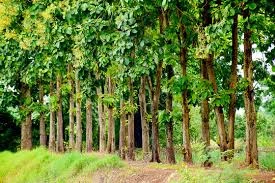
Take a moment to appreciate the physical attributes that make Japanese Cedar a standout. It graces the landscape with its towering height, boasts lush evergreen foliage, and transforms its needle-like leaves into a captivating shade of copper during the winter months.
Cryptomeria in Landscaping:
In contemporary landscapes, the Japanese Cedar has found a myriad of applications. Whether as an ornamental centerpiece, a natural privacy screen, or a dependable windbreak, this tree seamlessly integrates with modern outdoor design.
Caring for Japanese Cedar:
For those who wish to nurture a Japanese Cedar of their own, we'll provide valuable care tips. From ideal planting conditions to watering routines and pruning guidelines, you'll be well-equipped to ensure your tree thrives.
Cultural Significance:
Venture deeper into the cultural significance of Cryptomeria in Japan. Explore its pivotal role in Shinto and Buddhist traditions, its use in constructing majestic temples and shrines, and how it continues to inspire a deep sense of respect and admiration.
Varieties of Japanese Cedar:
Discover the world of Japanese Cedar cultivars, each offering a unique twist on the classic beauty. From dwarf forms to variegated foliage and compact growth habits, there's a variety to suit every garden.
Modern Applications:
Explore the contemporary applications of Japanese Cedar in today's landscapes. Whether gracing botanical gardens, enhancing residential outdoor spaces, or contributing to urban environments, Cryptomeria continues to make its mark.
Environmental Benefits:
Highlight the ecological contributions of the Japanese Cedar, such as its carbon sequestration capabilities, provision of habitat for wildlife, and its role in preventing soil erosion.
Conclusion:
The Japanese Cedar, with its enduring beauty and cultural significance, is more than just a tree; it is a symbol of nature's artistry and its deep connection with humanity. Its majestic presence, strength, and versatility make it a beloved addition to landscapes across the globe.
Whether you seek a symbol of elegance, a captivating addition to your garden, or an ally in environmental conservation, the Japanese Cedar stands ready. As you embrace its unique qualities and cultural heritage, you'll gain a profound appreciation for this remarkable tree—one that continues to inspire awe and reverence for generations to come.
So, let the majesty of the Japanese Cedar grace your outdoor space and be a testament to nature's enduring beauty and resilience.






















Sign in to leave a comment.