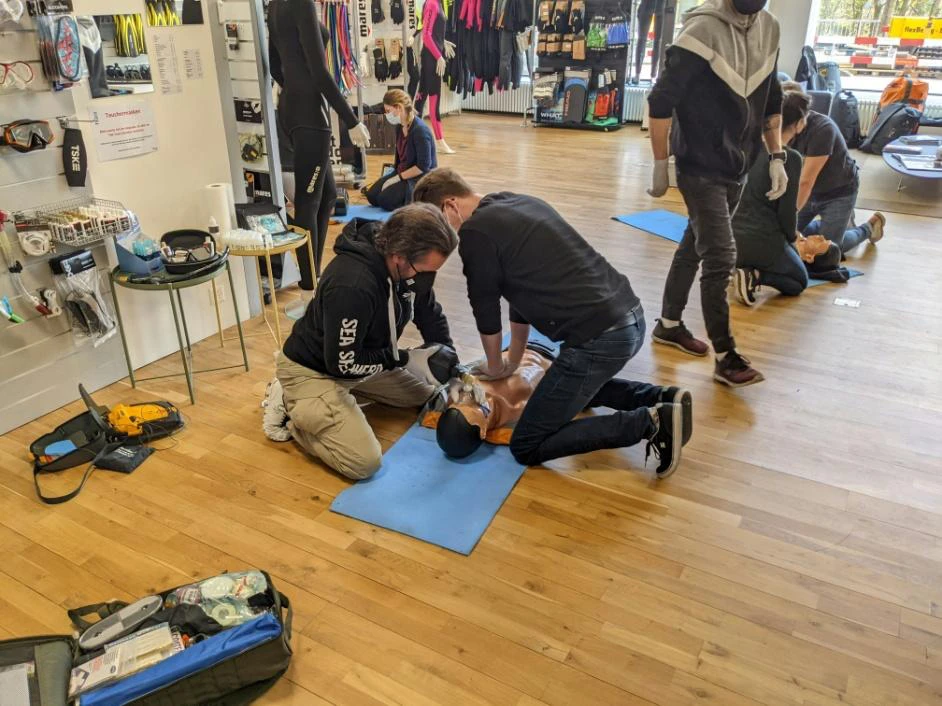

CPR is often described as simple, but simplicity under stress is deceptive. In real emergencies, even well-intentioned bystanders make mistakes that reduce effectiveness or delay lifesaving care. Studies tracking out-of-hospital cardiac arrest consistently show that early, high-quality CPR can double or triple survival rates. Yet quality is the operative word. Technique, timing, and confidence matter.
The gap between knowing what CPR is and performing it correctly is where outcomes are won or lost. Understanding the most common errors, and how structured instruction prevents them, helps explain why proper training remains essential for 2026 and beyond.
Mistake 1: Delayed Action Due to Hesitation
One of the most damaging mistakes is waiting too long to start. Bystanders often hesitate out of fear of doing something wrong. Data from emergency response registries shows that hesitation, even for one to two minutes, significantly lowers survival chances.
Proper instruction through a CPR and first aid training reframes urgency. Trainees learn that imperfect action is far better than no action. Repeated practice builds the confidence to act immediately, even in chaotic environments. This is why people searching for CPR classes in Southampton, PA often report increased willingness to intervene after training.
Mistake 2: Incorrect Compression Depth and Rate
High-quality chest compressions are the backbone of effective CPR, yet they are frequently performed too shallow, too slow, or inconsistently. Research shows that inadequate depth reduces blood flow to the brain and heart, undermining resuscitation efforts.
Courses aligned with American Heart Association courses emphasize precise compression depth and rate through hands-on feedback. Programs such as an American Heart Association CPR class use manikins with real-time correction, allowing learners to feel and correct errors immediately. This tactile learning cannot be replicated through reading alone.
Mistake 3: Poor Hand Placement and Body Mechanics
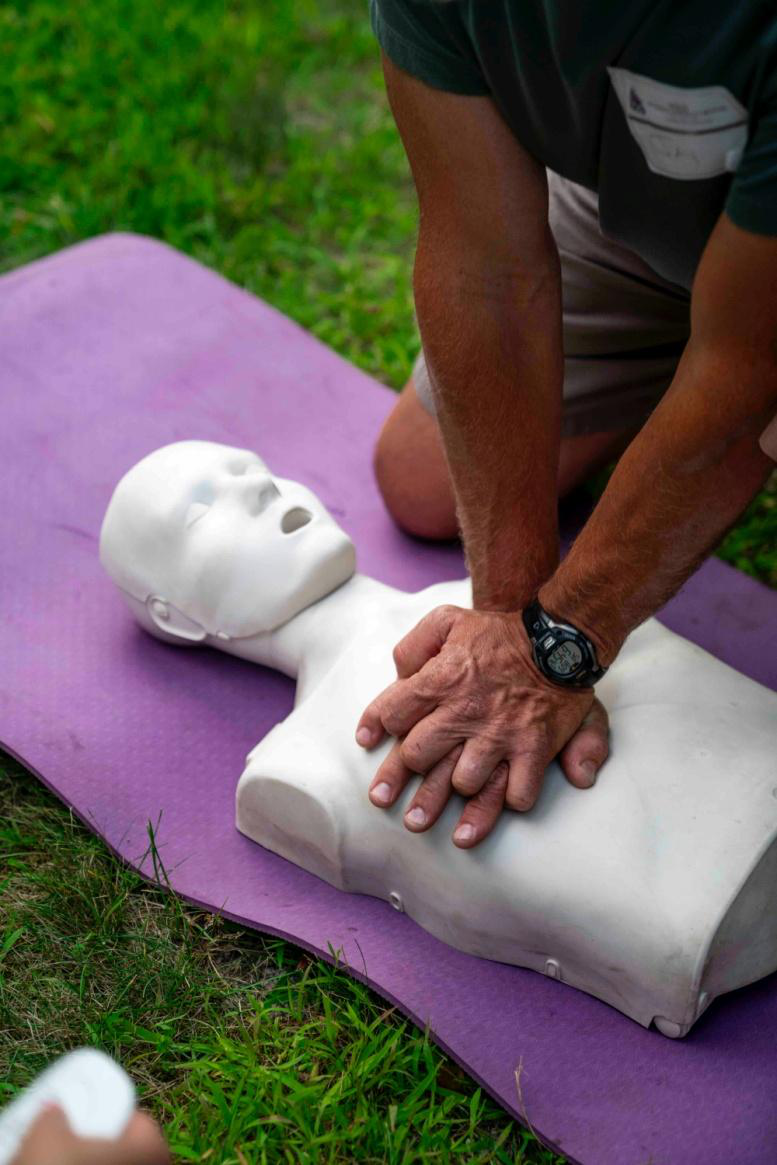
Another common issue is incorrect hand placement or improper body positioning, which leads to fatigue and ineffective compressions. Untrained responders often bend their arms, compress at the wrong angle, or stop prematurely due to exhaustion.
Structured CPR and AED training addresses these issues directly. Learners are taught how to use body weight efficiently, maintain proper posture, and sustain compressions until help arrives or an AED is ready. These fundamentals are reinforced across CPR and first aid certification programs.
Mistake 4: Avoiding or Misusing an AED
AEDs are designed to be simple, but fear of technology still prevents their use. Many bystanders worry about causing harm or using the device incorrectly. In reality, AEDs provide step-by-step prompts and will not deliver a shock unless it is needed.
Training demystifies AED use. Participants in CPR and AED training practice powering on the device, placing pads correctly, and following voice prompts. This familiarity reduces hesitation and shortens the time to first shock, a critical factor in survival.
Mistake 5: Treating Children like Small Adults
Pediatric emergencies introduce a different set of risks. Applying adult techniques to infants and children can result in ineffective or harmful intervention. Pediatric cardiac arrest is often respiratory in origin, which changes priorities during response.
This is where instruction through a PALS certification institute becomes critical. Programs leading to AHA PALS certification teach age-specific assessment, compression depth, ventilation strategies, and medication considerations. For providers balancing schedules, an online PALS certification course supports knowledge acquisition before hands-on evaluation.
Mistake 6: Overconfidence without Ongoing Practice
Initial training is not enough. Skills decay over time, especially for responders who rarely encounter real emergencies. Studies show measurable declines in CPR quality within months if skills are not refreshed.
Regular renewal through a basic life support certification online keeps fundamentals sharp. Many professionals choose BLS CPR certification online for convenient refreshers, while healthcare providers layer advanced credentials such as an ACLS certification course, or recertification through an ACLS certification institute. These programs reinforce teamwork, rhythm recognition, and post-resuscitation care.
Mistake 7: Poor Communication During Emergencies
CPR rarely happens in isolation. Confusion over roles, unclear instructions, or duplicated efforts can delay care. Untrained responders often shout instructions or assume someone else has called for help.
Quality training emphasizes communication as a clinical skill. Learners practice calling for help, directing bystanders, and transitioning care smoothly. Advanced credentials such as AHA ACLS certification focus heavily on closed-loop communication, reducing errors during high-stress events. This structured approach explains why many professionals actively search for ACLS or PALS certification to maintain readiness.
Why Proper Training Changes Outcomes
The difference between ineffective CPR and high-quality CPR is not talent. It is preparation. Training replaces panic with process. It builds muscle memory, reinforces correct technique, and normalizes decisive action.
Survival data consistently supports this. Communities with higher CPR training rates report better cardiac arrest outcomes. As AED availability increases in public spaces, the value of trained responders grows even further.
Learn It Right, Practice It Often
Mistakes during CPR are rarely caused by indifference. They are caused by lack of preparation. Proper instruction transforms uncertainty into capability and hesitation into action.
Prepared Training Saves Real Lives
Those looking to reduce risk, improve confidence, and respond effectively during emergencies are encouraged to explore accredited CPR, BLS, ACLS, and PALS programs and get in touch with their team today.




























Sign in to leave a comment.