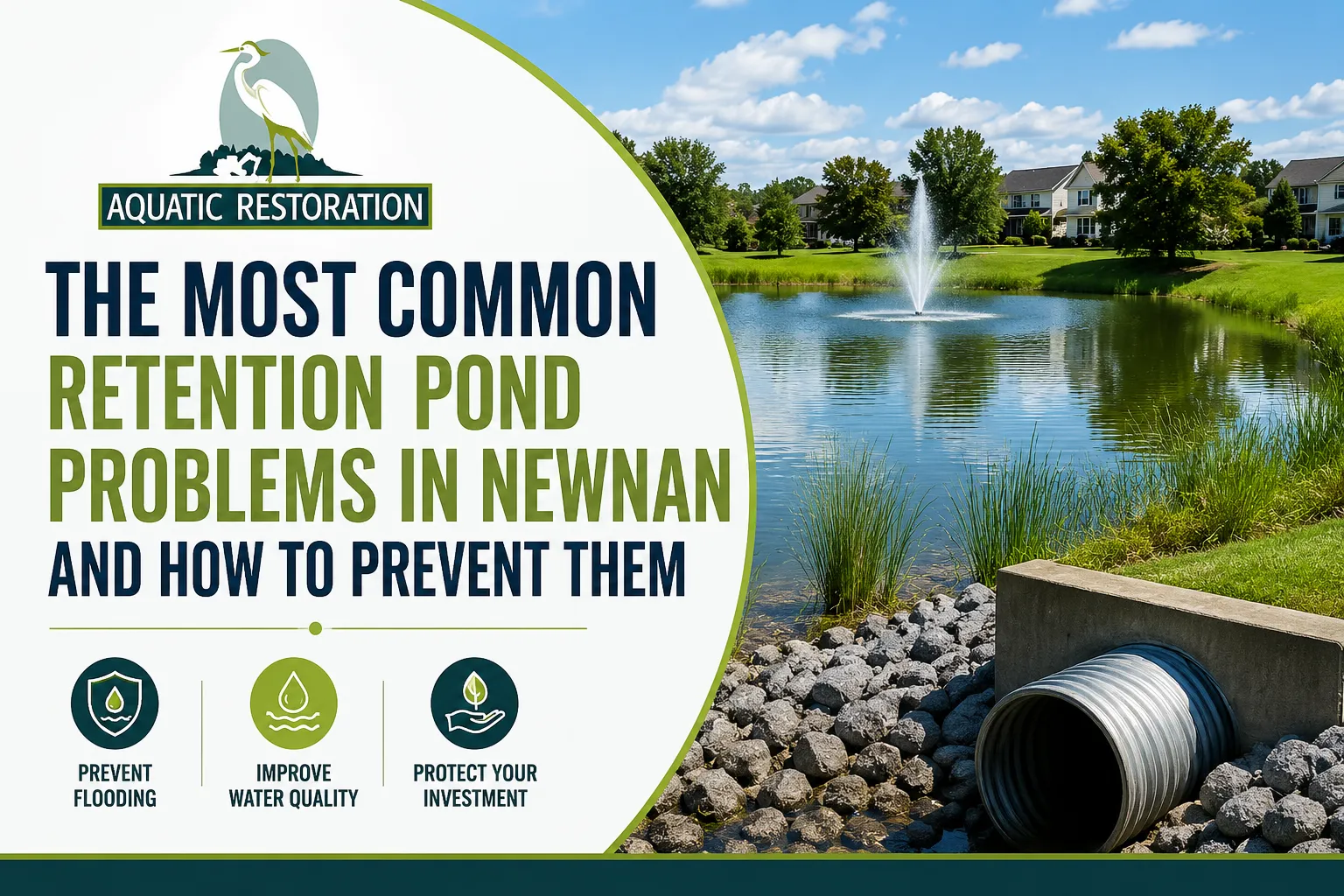
Retention ponds play an important role in managing stormwater across Newnan. They collect runoff during heavy rain, reduce flooding, and help improve water quality before water moves into nearby streams and lakes. However, these ponds only work as designed when they receive regular care. Without proper maintenance, small issues can quickly turn into expensive repairs, drainage problems, or even regulatory concerns.
Property owners, HOAs, commercial facilities, and industrial sites often wait until a problem becomes visible before taking action. By then, the cost of restoration is usually much higher than the cost of routine maintenance. If the goal is to find the best pond maintenance in Newnan, understanding the most common problems is the first step toward protecting the pond and the surrounding property.
Sediment Build-Up Reduces Pond Capacity
One of the most common problems in retention ponds is sediment accumulation. Soil, sand, leaves, and other debris are carried into the pond every time it rains. Over time, these materials settle on the bottom and gradually reduce the pond's storage capacity.
As the pond becomes shallower, it cannot hold as much stormwater. This increases the risk of localized flooding during heavy rainfall and places additional stress on the drainage system.
Routine inspections help identify sediment buildup before it becomes severe. When necessary, sediment removal restores the pond's original capacity and improves overall performance.
Excessive Algae Growth
Algae growth is another issue frequently seen in retention ponds throughout Newnan. While a small amount of algae is natural, rapid growth often indicates that excess nutrients are entering the water.
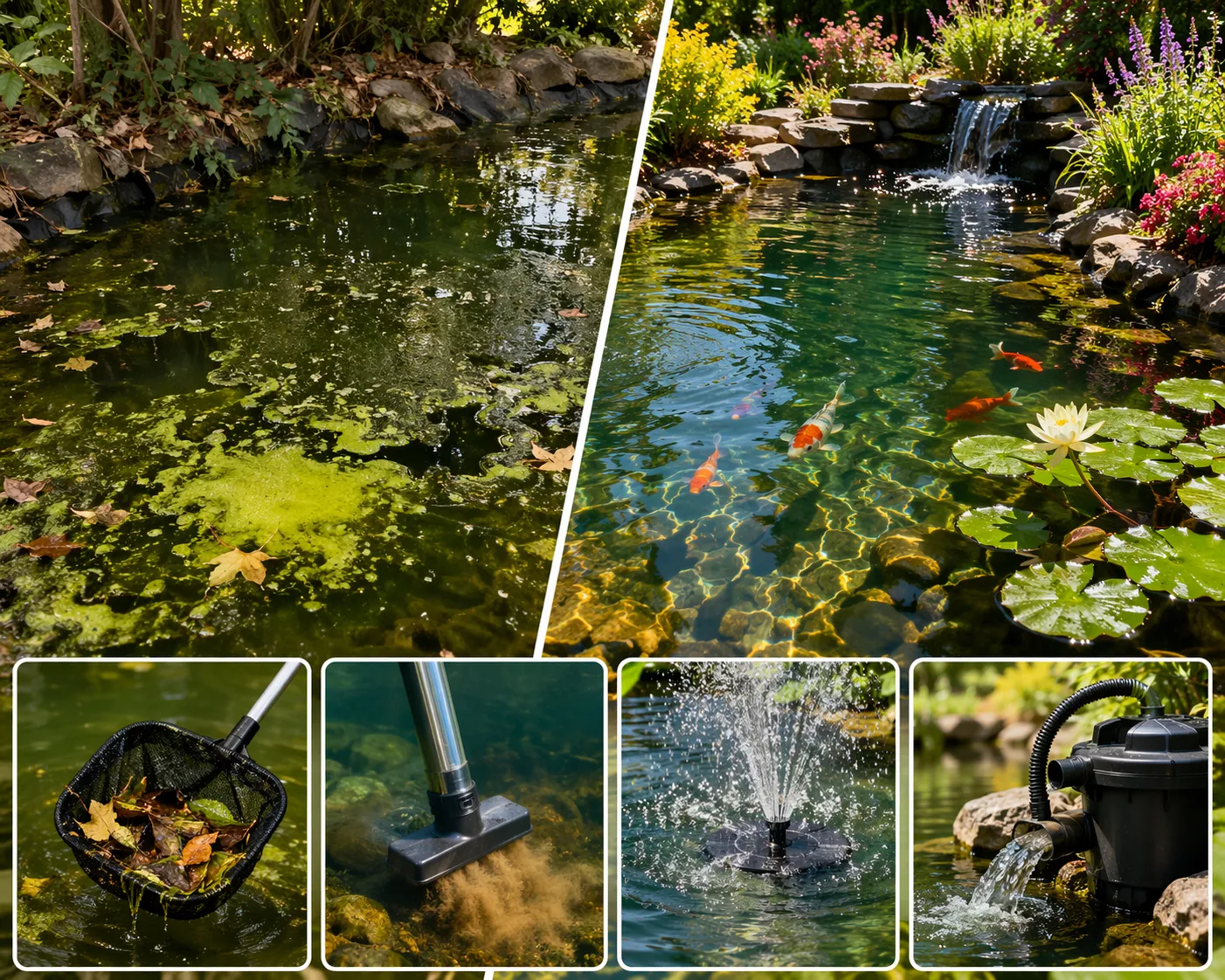
Fertilizer runoff, grass clippings, and organic debris provide nutrients that encourage algae blooms. Thick algae can reduce oxygen levels, create unpleasant odors, and affect the appearance of the pond.
Preventing algae starts with reducing nutrient runoff, managing surrounding vegetation, and removing organic debris before it breaks down in the water. Consistent pond maintenance helps keep algae under control before it becomes a larger problem.
Overgrown Aquatic Vegetation
Plants around a retention pond help stabilize the shoreline and filter runoff, but too much vegetation creates new challenges.
Overgrown cattails, invasive plants, and dense shoreline growth can block water flow, reduce pond capacity, and make inspections difficult. Thick vegetation may also provide shelter for unwanted pests and interfere with drainage structures.
Regular vegetation management keeps plant growth balanced while preserving the pond's natural function. Removing invasive species early also helps prevent long-term maintenance issues.
Clogged Inlets and Outlets
Every retention pond depends on properly functioning inlet and outlet structures. These allow stormwater to enter, move through, and exit the pond safely.
Leaves, trash, branches, and sediment can block these structures, restricting water flow. During heavy storms, clogged pipes or outlet structures may cause water to back up and increase the risk of flooding.
Routine inspections and debris removal help maintain clear water flow throughout the year.
Shoreline Erosion
Heavy rainfall, changing water levels, and poor vegetation coverage often lead to shoreline erosion.
As soil washes away, the pond loses stability and additional sediment enters the water. Over time, erosion can damage the pond's banks and reduce its effectiveness.
Maintaining healthy shoreline vegetation, repairing damaged areas early, and monitoring erosion after major storms help preserve the structural integrity of the pond.
Poor Water Quality
Cloudy water, unpleasant odors, or unusual discoloration often signal declining water quality.
Poor water quality can result from excess nutrients, stagnant water, organic debris, or lack of regular maintenance. Although retention ponds are not designed for swimming, maintaining healthy water conditions supports the pond's overall performance and helps reduce nuisance conditions.
Routine inspections allow water quality concerns to be addressed before they become more difficult to manage.
Trash and Floating Debris
Stormwater carries more than just rainwater into a retention pond. Plastic bottles, bags, branches, leaves, and other debris frequently collect along the shoreline and around drainage structures.
Besides affecting appearance, floating debris can block water movement and contribute to sediment buildup as organic material decomposes.
Regular cleanup after storms keeps the pond functioning properly and improves the overall appearance of the property.
Structural Damage Often Goes Unnoticed
Many retention ponds include pipes, concrete structures, spillways, embankments, and outlet control systems that require periodic inspection.
Small cracks, damaged concrete, displaced riprap, or signs of settlement may not seem serious at first, but these issues can worsen over time if left untreated.
Routine inspections allow repairs to be scheduled before structural damage becomes more extensive and expensive.
Mosquito Problems
Mosquitoes are often associated with ponds, but the real issue is stagnant water.
A properly maintained retention pond allows water to circulate and drain as designed. When debris blocks flow or excessive vegetation creates stagnant areas, mosquito populations can increase.
Keeping water moving, managing vegetation, and removing debris all help reduce mosquito breeding conditions without disrupting the pond's natural purpose.
Why Routine Maintenance Costs Less Than Major Repairs
Many expensive pond restoration projects begin with problems that were small and easily manageable.
A clogged outlet today can become flooding tomorrow. Minor erosion can develop into bank failure. Sediment that accumulates for years eventually requires large-scale dredging instead of simple maintenance.
Scheduled inspections throughout the year allow problems to be identified early, reducing repair costs and helping the pond continue operating as intended.
Choosing the Best Pond Maintenance in Newnan
Finding the best pond maintenance in Newnan means looking beyond routine mowing or debris removal. A complete maintenance program should include regular inspections, vegetation management, sediment monitoring, inlet and outlet cleaning, shoreline assessments, and recommendations that help prevent future problems rather than simply reacting to visible issues.
Every retention pond is different. Factors such as drainage area, surrounding landscape, stormwater volume, and property use all influence the type of maintenance required. A maintenance plan tailored to the specific pond delivers better long-term results than a one-size-fits-all approach.
Property owners searching for small pond maintenance Newnan should also understand that smaller ponds require consistent care. Because they have less storage capacity, sediment buildup, vegetation growth, and clogged drainage structures can affect their performance more quickly than larger systems.
Protecting Your Retention Pond for Years to Come
Retention ponds are valuable stormwater assets that help protect nearby properties, improve drainage, and reduce erosion. Regular inspections, early problem detection, and consistent maintenance prevent small issues from becoming major restoration projects. Whether managing a commercial property, a homeowners association, or a smaller stormwater pond, investing in proactive care helps extend the life of the system and supports reliable performance throughout every season. For property owners looking for dependable service and long-term pond management, Aquatic Restoration provides professional retention pond maintenance solutions designed to keep stormwater ponds functioning safely and efficiently in Newnan.






























Sign in to leave a comment.