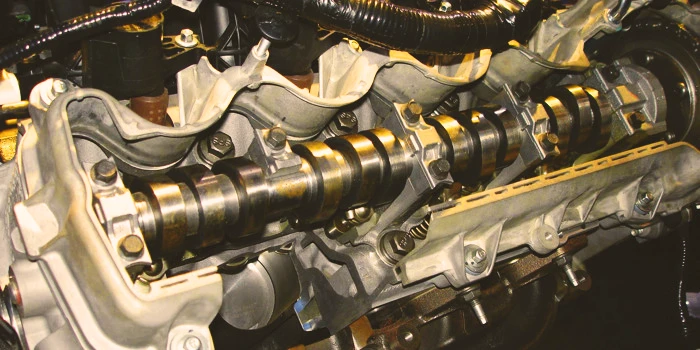

An internal combustion engine is a complicated machine that needs different things to happen at the right time to work well, make the most power, and put out less pollution. Valve timing is an essential part of how an engine works. engine valve timing events refer to when the intake and exhaust valves open and close concerning how the pistons move and how the crankshaft turns.
This article will discuss how important engine valve timing events are and why they are crucial to how well an engine works
Intake Valve Timing:
The intake valve timing is the first important valve timing event. It means when the intake valve opens and closes about the movement of the piston in the engine. The intake valve must open at the right time for air and fuel to enter the combustion chamber. This mixture of air and fuel is then pushed together and set on fire to make power.
The timing of when the intake valves open significantly affects how well the engine works. If you open the valve too soon or too late, the engine will not run as well. It will use more gas and put out more pollution. In addition, if the intake valve timing is wrong, the engine might need more or make too much power, which would cause the engine parts to wear out too quickly.
Exhaust Valve Timing:
The timing of the exhaust valves is the second most crucial valve-timing event. This is about when the exhaust valve opens and closes about the movement of the piston in the engine. The exhaust valve must open at the right time to let the combustion gases out of the engine. The timing of when the exhaust valves open and close is also critical to how well the engine valve works.
If the timing of the exhaust valves is wrong, the engine may not be able to get rid of the combustion gases as well as it could. This can hurt the engine's performance and make it use more gas. In addition, if the timing of the exhaust valves is off, the engine can have too much backpressure, which causes the parts to wear out faster.
Cam Timing:
Cam timing is the third important part of valve timing. It means the relationship between how the camshaft moves and how the crankshaft moves in an engine. The camshaft makes sure that the intake, and exhaust valves open, and close in the right way. When the cam timing is correct, the valves open and close at the right time about how the piston moves in the engine.
If the cam timing is off, the engine won't run as well, and it will put out more pollution. Also, if the cam timing is off, the valves may open or close at the wrong time. This makes the engine less efficient, increases emissions, and wears out the engine parts faster.
The Importance of Proper Valve Timing:
Proper valve timing is essential for an engine to run well, make the most power, and reduce pollution. It ensures that the right amount of air and fuel go into the engine at the right time and that the combustion gases get out of the engine well. Proper valve timing also reduces the amount of wear and tear on the engine's parts, which makes the engine last longer.
Intake valve timing, exhaust valve timing, and cam timing are, from most important to least important, the most critical engine valve timing events. These things must happen at the right time for the engine to work well, make the most power, and put out less pollution. To ensure the engine works well and lasts a long time, it's best to check the valve timing and do regular maintenance. If your engine's valve timing is off, it's best to have a professional check out and fix the engine.
0
























Sign in to leave a comment.