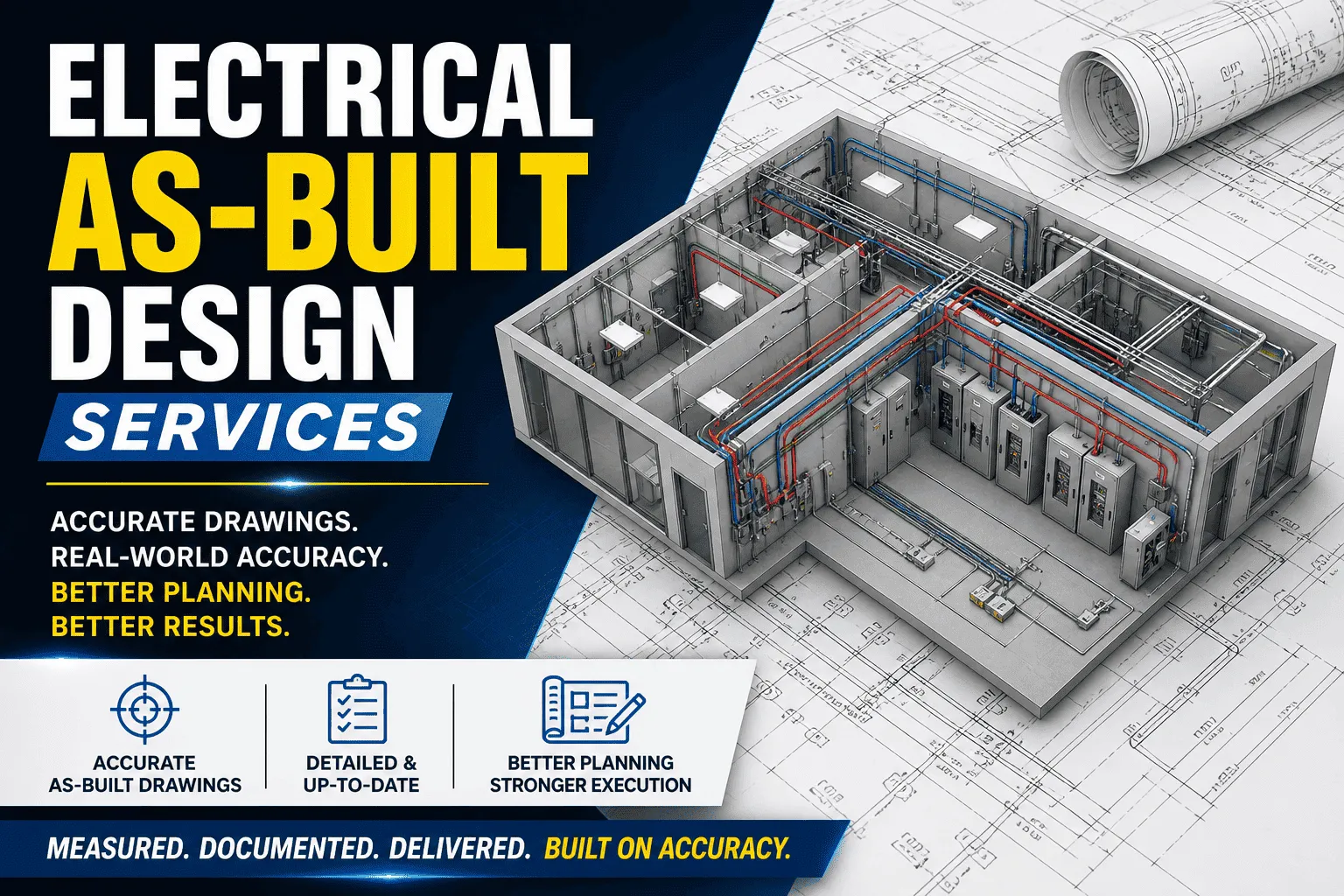

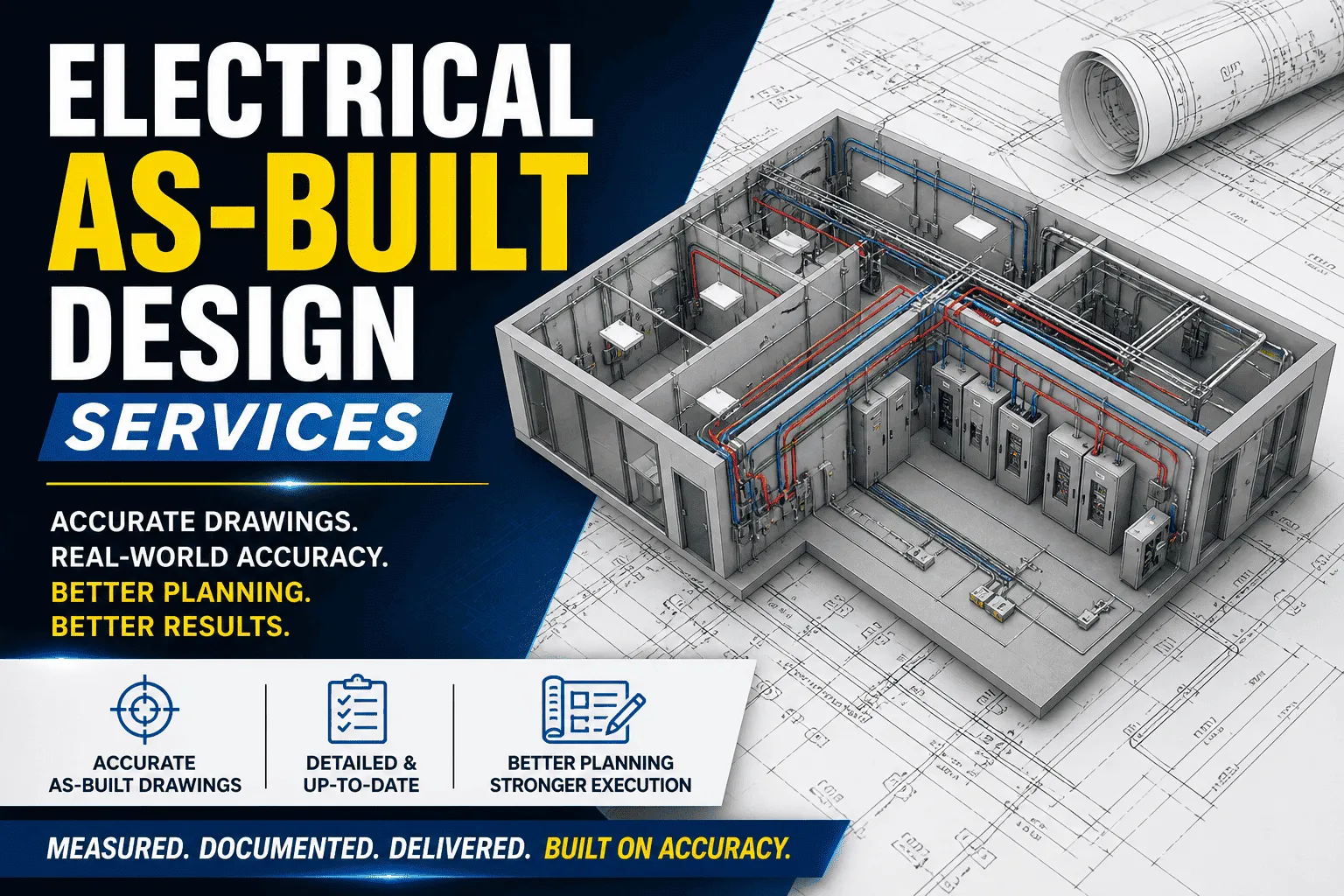
Opening a wall to fix a simple wiring issue, only to find a maze of undocumented live wires, is a nightmare for any facility manager. This dangerous scenario happens entirely too often when teams rely on outdated electrical plans. While original design blueprints show how a building was supposed to be wired, they rarely reflect the final installation.
During construction, contractors constantly make on-the-fly adjustments to work around structural hurdles or accommodate last-minute changes. If these modifications go undocumented, the resulting knowledge gap creates serious problems down the line.
Accurate electrical as-built drawings are crucial for safety, efficiency, and ongoing regulatory compliance. They serve as the true roadmap of a building's electrical system, providing future workers with the exact location and specifications of every wire, panel, and conduit.
What Are Electrical As-Built Drawings?
Electrical as-built drawings are revised sets of blueprints submitted by a contractor upon the completion of a project. They reflect all changes made in the specifications and working drawings during the construction process.
Unlike original design drawings, which represent the initial intent of the engineers, as-builts document the exact dimensions, geometry, and location of all electrical components as they were actually installed.
A thorough set of electrical as-builts includes several key components. You will find updated locations for lighting fixtures, power outlets, switchboards, and routing for major conduits. They also detail changes in wire sizing, circuit assignments, and the specific models of installed equipment.
The Critical Role of Accuracy
Maintaining precise records of your electrical systems is not just an administrative formality. It impacts every phase of a building's lifecycle.
Enhanced Safety
The primary reason to maintain accurate electrical records is human safety. Uncharted electrical modifications can easily lead to severe shocks or electrical fires when maintenance teams unknowingly tap into live circuits. Furthermore, during emergencies, accurate plans allow first responders to quickly locate shut-off valves and main power switches, potentially saving lives and minimizing property damage.
Improved Maintenance and Troubleshooting
When a power failure occurs, time is money. Accurate as-builts allow technicians to isolate the problem immediately rather than tracing wires blindly through ceilings and walls. This faster identification of issues drastically reduces facility downtime and cuts labor costs associated with routine repairs.
Streamlined Future Renovations and Upgrades
Planning a renovation without accurate building documentation is a recipe for budget overruns. Precise as-builts ensure that new electrical loads are compatible with existing systems. They help architects and engineers avoid costly rework, prevent schedule delays, and seamlessly integrate new smart building technologies into the current infrastructure.
Regulatory Compliance and Documentation
Building codes and safety standards, such as the National Electrical Code (NEC) and local regulations, require strict compliance. Accurate as-builts prove that a building meets these legal standards. They also offer legal protection, reducing liability for property owners in the event of an electrical failure or accident.
Consequences of Inaccurate or Missing As-Builts
Failing to maintain proper electrical documentation creates a ripple effect of negative consequences. Safety risks skyrocket, leaving workers vulnerable to undocumented hazards. Operational costs climb as maintenance teams waste hours troubleshooting hidden systems, leading to energy waste and extended repair times.
When it comes time to renovate, project delays and budget overruns become unavoidable as contractors are forced to pause work to investigate existing wiring. Furthermore, inaccurate records can result in severe legal and regulatory penalties if a building is found non-compliant during an inspection. Ultimately, a lack of reliable documentation can even decrease a property's overall market value, as buyers hesitate to take on the financial risk of an unknown electrical layout.
Best Practices for Creating and Maintaining Electrical As-Builts
To avoid the pitfalls of poor documentation, organizations must adopt a proactive approach to their electrical records.
First, involve qualified personnel early in the construction or renovation process. Ensure that contractors understand their responsibility to track changes daily, rather than trying to remember them weeks later when the project wraps up.
Leverage modern technology to improve accuracy. Utilizing digital tools like CAD software, Building Information Modeling (BIM), and 3D laser scanning eliminates the guesswork of manual measurements. Version control is equally important. Establish a clear system for regular updates so that everyone is working from the most recent file.
Effective collaboration between engineers, contractors, and building owners ensures no detail is overlooked. Storing these documents digitally on a secure, accessible cloud platform guarantees that facility managers can retrieve them instantly from a tablet or smartphone. For companies that lack the internal resources to manage this documentation, partnering with experts who provide professional Electrical As-built Design Services, such as Archdraw Outsourcing, ensures your records are always precise, compliant, and up to date.
Real-World Impacts of As-Built Documentation
The value of precision becomes obvious when comparing project outcomes. Consider a hypothetical hospital preparing to install a new MRI wing. Because their facility managers maintained flawless digital as-builts, engineers quickly verified that the existing main switchgear could handle the new load, saving weeks of investigative work and thousands in consulting fees.
Conversely, a commercial office building attempting a simple lighting upgrade recently faced massive delays. The contractors discovered that the ceiling wiring did not match the 15-year-old blueprints. They had to halt the project, open up the drywall across three floors, and manually trace the circuits—turning a weekend job into a month-long, budget-draining ordeal.
Secure Your Building's Future With Flawless Documentation
Accurate electrical as-built drawings are the backbone of safe and efficient building management. They protect your workers, streamline your maintenance operations, and safeguard your organization against legal liabilities.
Do not wait for a critical system failure or a costly renovation delay to update your facility's blueprints. Invest in meticulous documentation today to secure long-term operational and financial benefits. As smart building technologies and regulatory standards continue to evolve, having a reliable, digital roadmap of your electrical systems will be your strongest asset.



























Sign in to leave a comment.