

In the vast and dynamic realm of user interface (UI) design, the use of color is a powerful tool that extends far beyond mere aesthetics. It delves into the intricate realms of psychology, influencing user behavior, emotions, and overall perception. As designers strive to create interfaces that are not only visually appealing but also user-friendly, understanding the psychology of color becomes paramount. In this blog, we'll explore the profound impact of color on user experience and how strategic color choices can significantly enhance or diminish the effectiveness of a UI.
Color and Emotion: A Seamless Connection
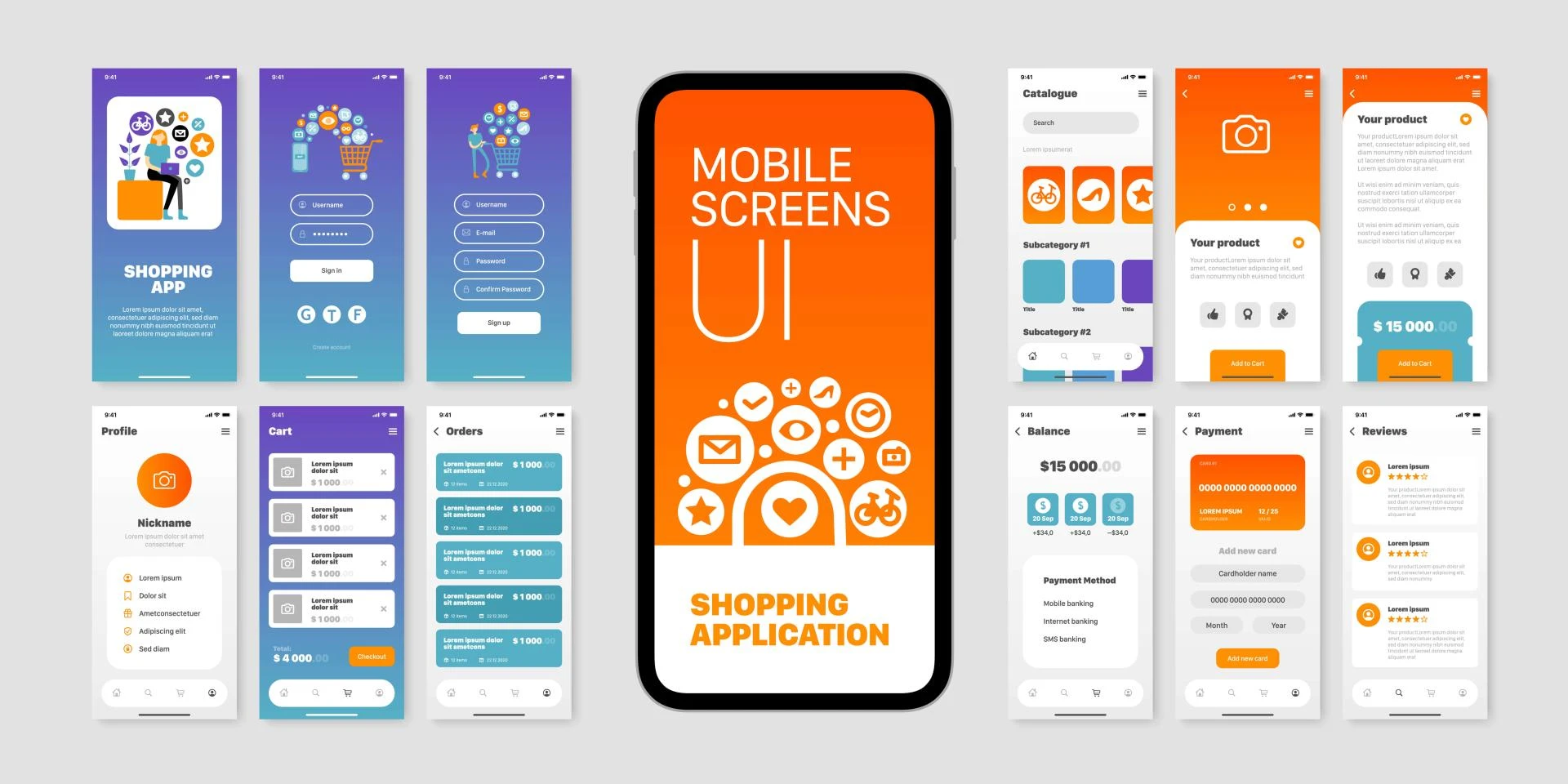
Colors have an innate ability to evoke emotions and set the tone for user interactions. Warm colors like reds and oranges tend to elicit feelings of passion, energy, and urgency, making them ideal for call-to-action buttons. In contrast, cooler tones such as blues and greens are associated with calmness, trust, and stability, making them suitable for backgrounds or areas where a sense of tranquility is desired.
Understanding the emotional responses triggered by specific colors allows designers to create interfaces that align with the intended user experience. For instance, a healthcare app may opt for soothing blues to instill a sense of trust and calmness, while a food delivery app might leverage vibrant reds and yellows to convey energy and excitement.
Cultural Influences on Color Perception
Colors are not universally interpreted in the same way across all cultures. Cultural background plays a pivotal role in shaping an individual's perception of colors and their associated meanings. For instance, while white is often associated with purity and simplicity in Western cultures, it may symbolize mourning in some Eastern cultures.
When designing a UI for a global audience, it is crucial to consider cultural nuances to ensure that color choices resonate positively with users from diverse backgrounds. This cultural sensitivity can help avoid unintentional misinterpretations and enhance the inclusivity of the UI.
Color Hierarchy and Visual Flow
Strategic use of color can guide users through a UI, emphasizing important elements and creating a logical visual flow. Establishing a color hierarchy ensures that users intuitively understand which elements require their attention first. Vibrant or contrasting colors can be employed for primary calls-to-action, while more subdued tones may be used for secondary or background elements.
Furthermore, color can aid in creating a sense of continuity and cohesion within a UI. Consistent use of a color palette fosters brand recognition and reinforces a seamless user experience across different sections of an application or website.
Accessibility: The Imperative Factor
In the pursuit of captivating designs, designers must not overlook the importance of accessibility. Color choices can significantly impact the readability and usability of a UI for individuals with visual impairments. Employing sufficient color contrast, providing alternative text for color-coded information, and offering customizable color settings are essential considerations to ensure an inclusive design that caters to users of all abilities.
Conclusion: Harnessing the Power of Color in UI Design
In the ever-evolving landscape of UI design, the psychology of color remains an influential aspect that can shape the success of digital experiences. By understanding the emotional nuances, cultural variations, and functional implications of color, designers can create interfaces that not only captivate the eyes but also engage the minds and hearts of users. As technology continues to advance, the mastery of color psychology in UI design will undoubtedly be a key factor in crafting memorable and user-centric digital interactions.
Visit my Upwork profile for - UI/UX design, Web design & Mobile design
























Sign in to leave a comment.