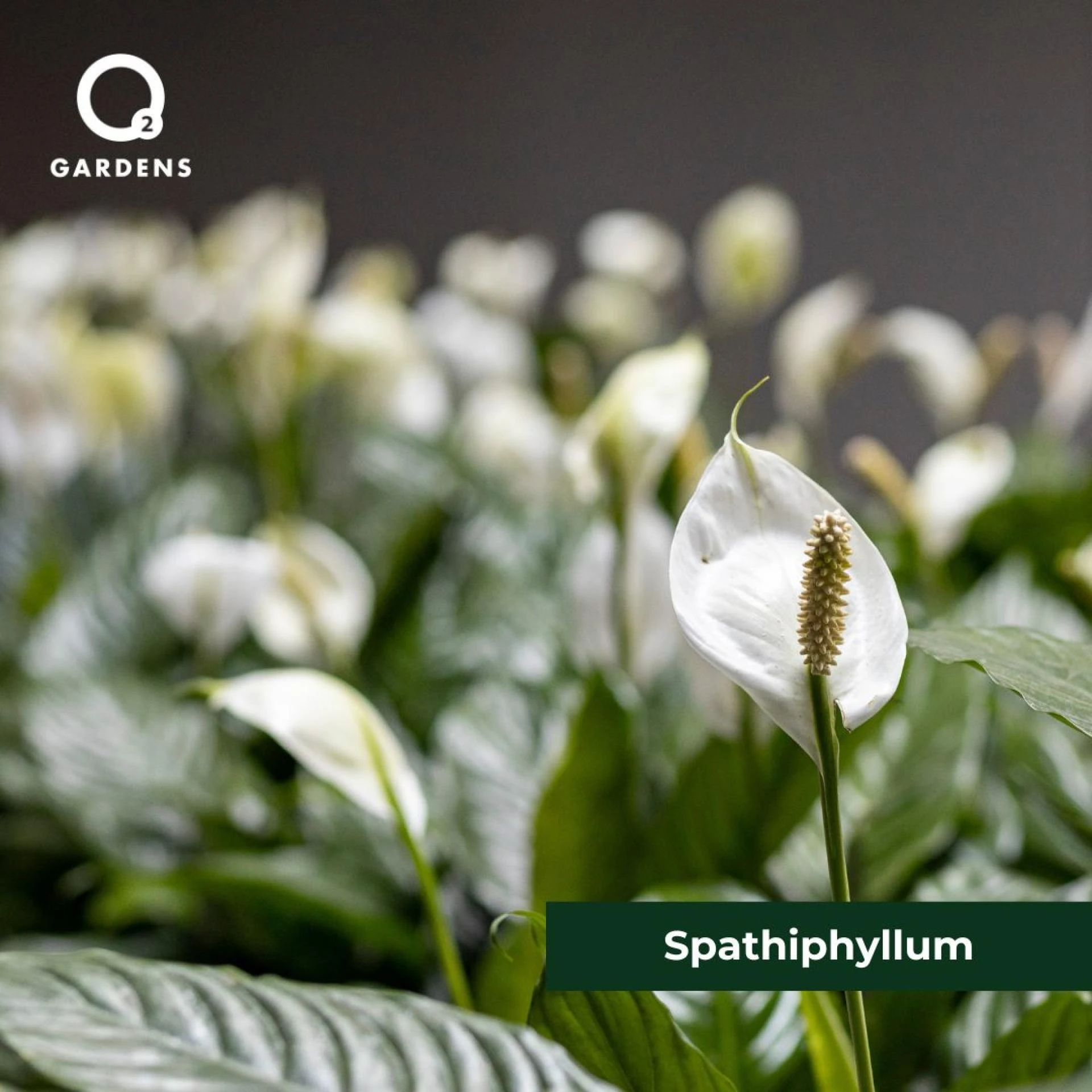

Flowers have a remarkable ability to evoke emotions, uplift spirits, and improve overall well-being. From ancient traditions to modern scientific studies, the psychological impact of flowers on human emotions and mental health has been widely explored. In this article, we delve into the fascinating world of floral psychology, uncovering how different blooms can influence mood and contribute to our sense of well-being.
The Power of Color:
One of the most noticeable aspects of flowers is their vibrant colors, and each hue carries its own psychological significance. For example, vibrant reds are often associated with passion and energy, making flowers like roses and tulips perfect for expressing love and excitement. On the other hand, calming blues and purples, found in blooms like lavender and hydrangeas, can evoke feelings of tranquility and relaxation, making them ideal for creating serene environments.
Scent and Sensibility:
Beyond their visual appeal, flowers also stimulate the olfactory senses, with their unique scents capable of eliciting powerful emotional responses. Studies have shown that certain fragrances, such as lavender and jasmine, have calming effects and can reduce stress and anxiety levels. In contrast, invigorating scents like citrus and peppermint can boost energy and improve focus, making them perfect for home offices or study spaces.
Symbolism and Meaning:
Throughout history, flowers have been imbued with symbolic meanings, with different blooms representing various emotions, virtues, and sentiments. For example, the rose is often associated with love and romance, while the lotus symbolizes purity and enlightenment. By incorporating flowers with specific meanings into our living spaces, we can create environments that align with our personal values and aspirations, enhancing our overall sense of well-being.
Biophilic Benefits:
In addition to their aesthetic and symbolic qualities, flowers also offer numerous biophilic benefits, connecting us to the natural world and promoting feelings of harmony and vitality. Research has shown that exposure to nature, including indoor plants and flowers, can reduce stress, lower blood pressure, and improve mood. By bringing elements of nature into our homes and workspaces, we can reap the psychological rewards of biophilic design, fostering a sense of balance and well-being in our lives.
Practical Applications:
Incorporating the psychology of flowers into our daily lives doesn't have to be complicated. Simple practices such as displaying fresh flowers in our homes, choosing blooms with colors and scents that resonate with us, and learning about the symbolic meanings of different flowers can all contribute to our emotional and mental well-being. Whether it's a small bouquet on the kitchen table or a lush indoor garden in the living room, the presence of flowers can have a profound impact on our mood and outlook on life.
The psychology of flowers offers valuable insights into the profound ways in which nature can influence our emotions and well-being. By understanding the power of color, scent, symbolism, and biophilic design, we can harness the transformative potential of flowers to create spaces that nurture our souls and uplift our spirits. So the next time you're feeling stressed or overwhelmed, take a moment to stop and smell the roses—you might be surprised at the difference it makes.
























Sign in to leave a comment.