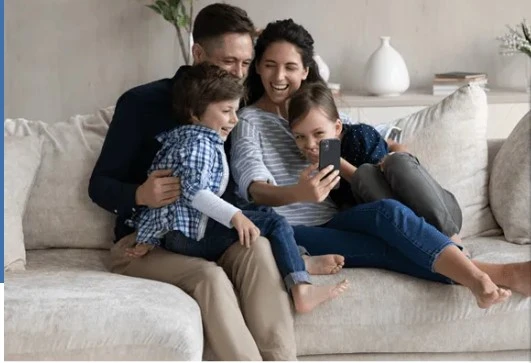
Feeling safe in one’s own home is a fundamental human need. Beyond physical protection, the sense of security directly affects mental well-being, stress levels, and overall quality of life. In today’s fast-paced, uncertain world, homeowners are seeking ways to create a secure, comfortable living environment. This is where home security alarm systems play a powerful role not only in protecting property but also in enhancing peace of mind.
Understanding the Human Need for Safety
Safety is one of the most basic psychological needs. When individuals feel secure, they are better able to focus on daily activities, relationships, and personal growth. On the other hand, even a slight sense of vulnerability can lead to stress, anxiety, and constant worry.
Homes are meant to be places of comfort and relaxation. However, concerns about potential threats, such as break-ins or unauthorized access, can disrupt that sense of calm. This is why many people seek reliable solutions such as home security alarm system that provide both physical protection and emotional reassurance.
How Security Systems Reduce Fear and Anxiety
Uncertainty is one of the biggest triggers of anxiety. When homeowners are unsure about the safety of their property, especially when they are away, it can lead to ongoing stress. Installing home security alarm systems helps eliminate much of this uncertainty.
These systems provide:
- Continuous monitoring of the property
- Immediate alerts in case of unusual activity
- A sense of control over home safety
- Assurance that protective measures are always active
Knowing that there is a system actively watching over the home allows individuals to relax and focus on their daily lives. This reduction in worry contributes significantly to mental well-being.
The Power of Control and Awareness
One of the key psychological benefits of security systems is the sense of control they provide. Feeling in control of one’s environment is closely linked to confidence and peace of mind.
Modern systems often include features such as:
- Mobile app access for real-time monitoring
- Notifications for door or window activity
- Live camera feeds
- Remote control of locks and alarms
These tools allow homeowners to stay connected to their property at all times. Whether at work, on vacation, or simply away for a few hours, they can check in and ensure everything is secure. This constant awareness helps reduce uncertainty and builds trust in the safety of the home.
Creating a Safe Environment for Families
For families, the need for safety extends beyond personal comfort—it becomes a responsibility. Parents, in particular, want to ensure that their children and loved ones are protected at all times.
A reliable security system helps create a safer environment by:
- Monitoring entry points such as doors and windows
- Alerting homeowners to unexpected activity
- Providing quick response options in emergencies
- Offering reassurance when children are home alone
This added layer of protection allows families to feel more secure in their daily routines. It also fosters a sense of stability, which is important for emotional well-being.
Building Confidence in Daily Life
When people feel safe at home, it positively impacts their confidence in other areas of life. They are more likely to focus on work, enjoy social activities, and pursue personal goals without constant worry about their property.
Home security alarm systems contribute to this confidence by removing one of the most common sources of stress—fear of the unknown. Instead of worrying about “what if” scenarios, homeowners can trust that their property is protected.
This confidence also extends to practical situations, such as:
- Traveling without anxiety about home safety
- Staying out late without rushing back
- Leaving valuables at home without concern
The ability to live freely without constant worry is a major benefit of having a reliable security setup.
The Role of Visible Protection
Interestingly, the presence of visible security measures also has a psychological impact. Seeing cameras, sensors, or alarm panels reinforces the feeling of safety. It serves as a constant reminder that the home is protected.
This visual reassurance not only deters potential intruders but also strengthens the homeowner’s sense of security. The environment feels more controlled and less vulnerable, which contributes to overall peace of mind.
Long-Term Emotional Benefits
Over time, the consistent presence of a security system helps build a lasting sense of comfort. What may start as a practical investment gradually becomes an essential part of daily life.
Some long-term psychological benefits include:
- Reduced stress and anxiety
- Improved sleep quality
- Greater sense of control
- Enhanced overall well-being
These benefits highlight that security is not just about preventing incidents—it is also about creating a stable and reassuring living environment.
Conclusion
The importance of feeling safe at home goes beyond physical protection. It is deeply connected to mental and emotional well-being. By reducing uncertainty, increasing control, and providing constant reassurance, security systems play a vital role in enhancing everyday life.
In a world where unpredictability is common, taking steps to secure the home can bring a lasting sense of calm. Ultimately, the true value of a home security system lies not just in what it protects, but in how it makes people feel—safe, confident, and at ease.









Sign in to leave a comment.