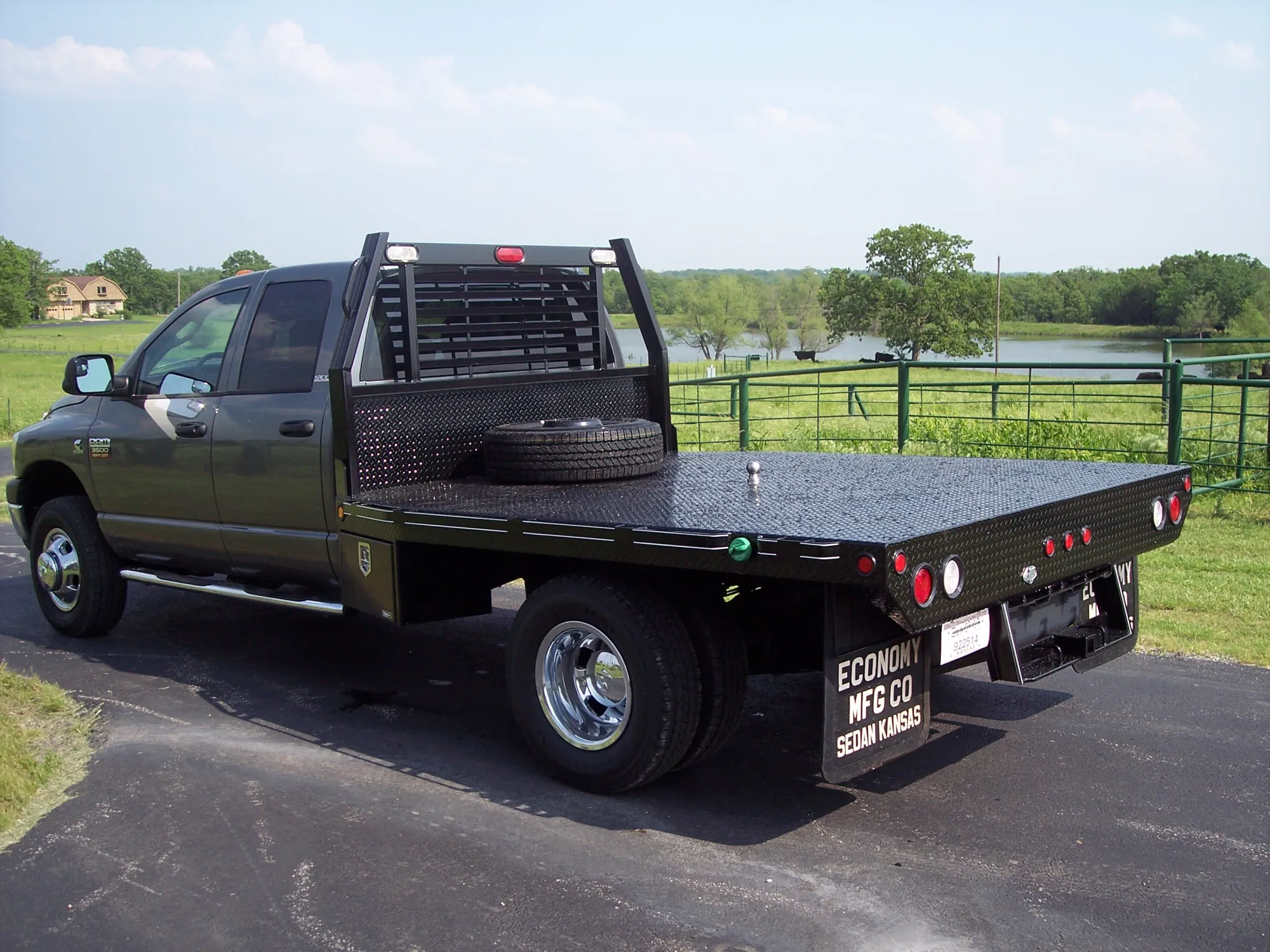
What’s the first thing that runs out in a job space or time? Usually both, and usually for the same reason: the truck isn’t set up quite right. A flatbed gives you room, but nowhere to put the smaller things.
A service body keeps everything organized, but limits what you can haul. You end up choosing between two problems and managing whichever one you didn’t solve. There’s a better way to approach it, and it comes down to how the bed is built, not what gets added to it later. That’s where Skirted Flatbeds start to separate themselves.
The Trade-Off That Doesn’t Need to Exist
For years, the logic was simple. If you wanted open space, you gave up storage. If you wanted storage, you gave up deck access. It wasn’t ideal, but it was accepted. The issue isn’t capability, it’s how the bed is designed.
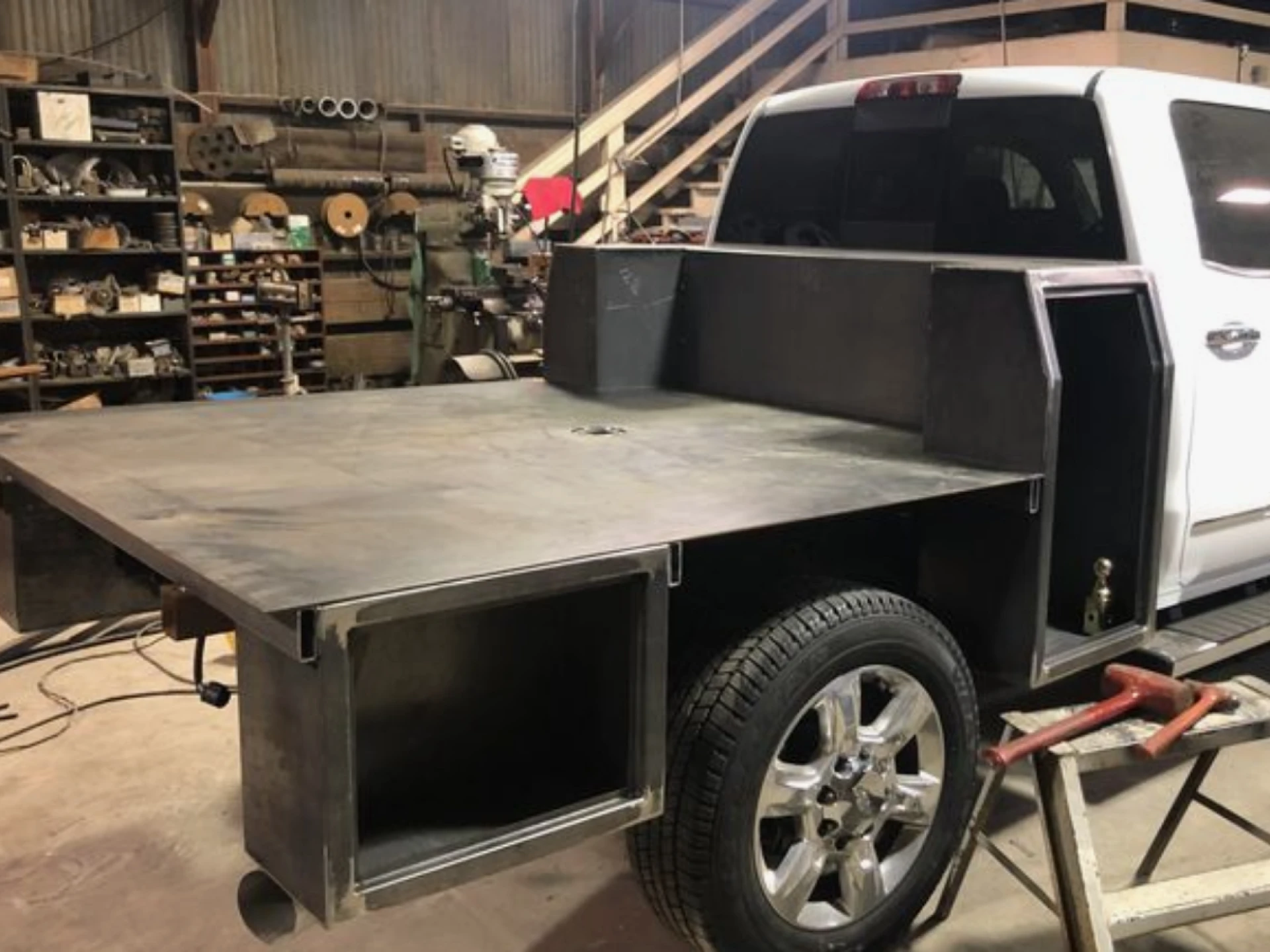
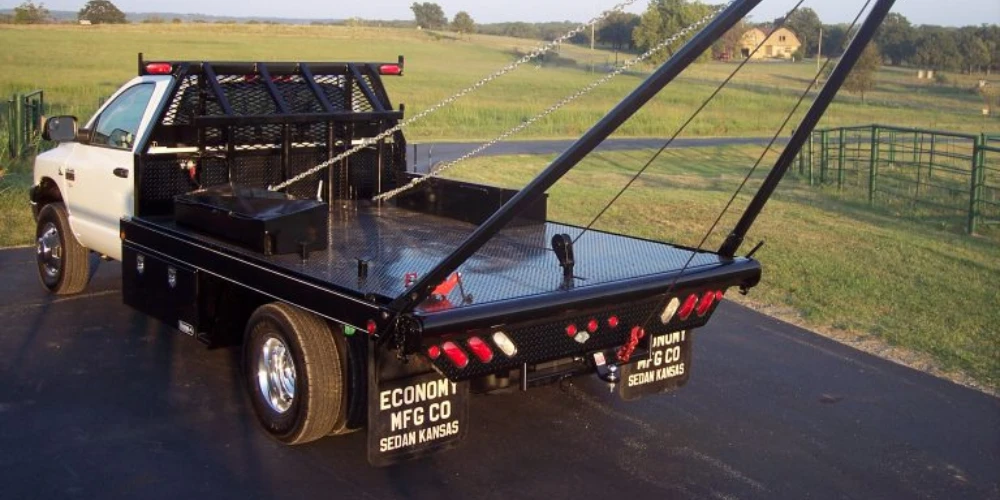
Skirted flatbeds don’t try to improve one side of the equation. They remove the split entirely. Storage is built into the structure beneath the deck, leaving the top surface open and fully usable. Nothing sticks out, nothing gets in the way, and nothing needs to be worked around. That shift feels small on paper. In practice, it changes how the truck is used from the first day.
A Flatbed That Stays a Flatbed
The strength of a flatbed has always been its simplicity. Open deck, full access, no restrictions on how you load or what you carry. That doesn’t change here.
You can still approach from any side. You can still load oversized materials without adjusting the setup. The working surface stays clean and uninterrupted. That matters more than most people realize, especially when the job doesn’t follow a predictable pattern.
What changes is everything around the edges. The skirts carry the storage without touching the deck. Tools, straps, and smaller equipment all of it moves off the surface and into defined spaces. The bed keeps doing what it’s supposed to do. It just does it without the usual clutter.
Storage That Feels Intentional
There’s a certain look to added storage that you can spot immediately. Boxes bolted on where there’s room, not where they belong. Lids that interfere with loading. Compartments that seem useful until you try to work around them. Integrated storage doesn’t behave that way.
DeVere Truck Beds builds skirted flatbeds as complete units. The storage isn’t attached later; it’s part of the original structure. Compartments sit where they make sense in the workflow. They open cleanly. They close securely. They hold up. It’s a subtle difference, but it shows up every time you reach for something and find it exactly where it should be.
Built From the Ground Up
You can’t retrofit a clean design. It has to start that way. Each skirted flatbed from DeVere Truck Beds is built from scratch, made to order, and sized to the exact chassis it’s going on. That level of control keeps everything aligned: the structure, the storage, the load capacity. Nothing is forced into place.
It also means the bed works as a single system. The deck supports the load. The skirts support the storage. The frame handles both without strain. There’s no disconnect between parts because they weren’t built separately to begin with. That’s where the difference shows, not in how it looks, but in how it holds up.
Less Movement, Better Flow
Most inefficiencies don’t come from the work itself. They come from how you move around it. You climb into the bed to grab a tool. You step back out. You shift materials to reach something underneath. It’s not difficult, it’s just constant.
A skirted flatbed reduces that movement. Tools are stored at ground level. Access is direct. The deck stays clear, so you’re not navigating around obstacles while loading or unloading.
It doesn’t make the job easier in a dramatic way. It just removes the extra steps that shouldn’t be there in the first place.
Strength That’s Built In, Not Assumed
A clean layout doesn’t mean much if the structure can’t handle the work. DeVere Truck Beds builds skirted flatbeds using high-grade steel, reinforced where the stress actually lands. Load points, edges, and structural joints are those areas that take the pressure, and they’re built accordingly. The bed is matched to the chassis so that the weight is distributed the way it should.
Standard LED lighting is integrated into the build, not added later. It’s a small detail, but it reflects the same approach that everything is considered part of the system. The result is a bed that doesn’t just look organized. It stays reliable under real conditions.
A Setup That Doesn’t Drift Over Time
Some truck setups start strong and slowly fall apart. Storage gets overloaded. Layouts stop making sense. You adapt again, just like before. A well-built skirted flatbed doesn’t drift like that. The structure holds. The layout stays usable. The separation between storage and deck space continues to work, even as the job changes. That consistency matters. It’s what keeps the truck useful long after the first few months.
Conclusion
The idea that you have to choose between space and storage comes from older designs that never solved both at once. DeVere Truck Beds approaches skirted flatbeds differently, built to order, engineered in-house, and designed as complete systems. The deck remains open. Storage is integrated. Strength is built where it’s needed.
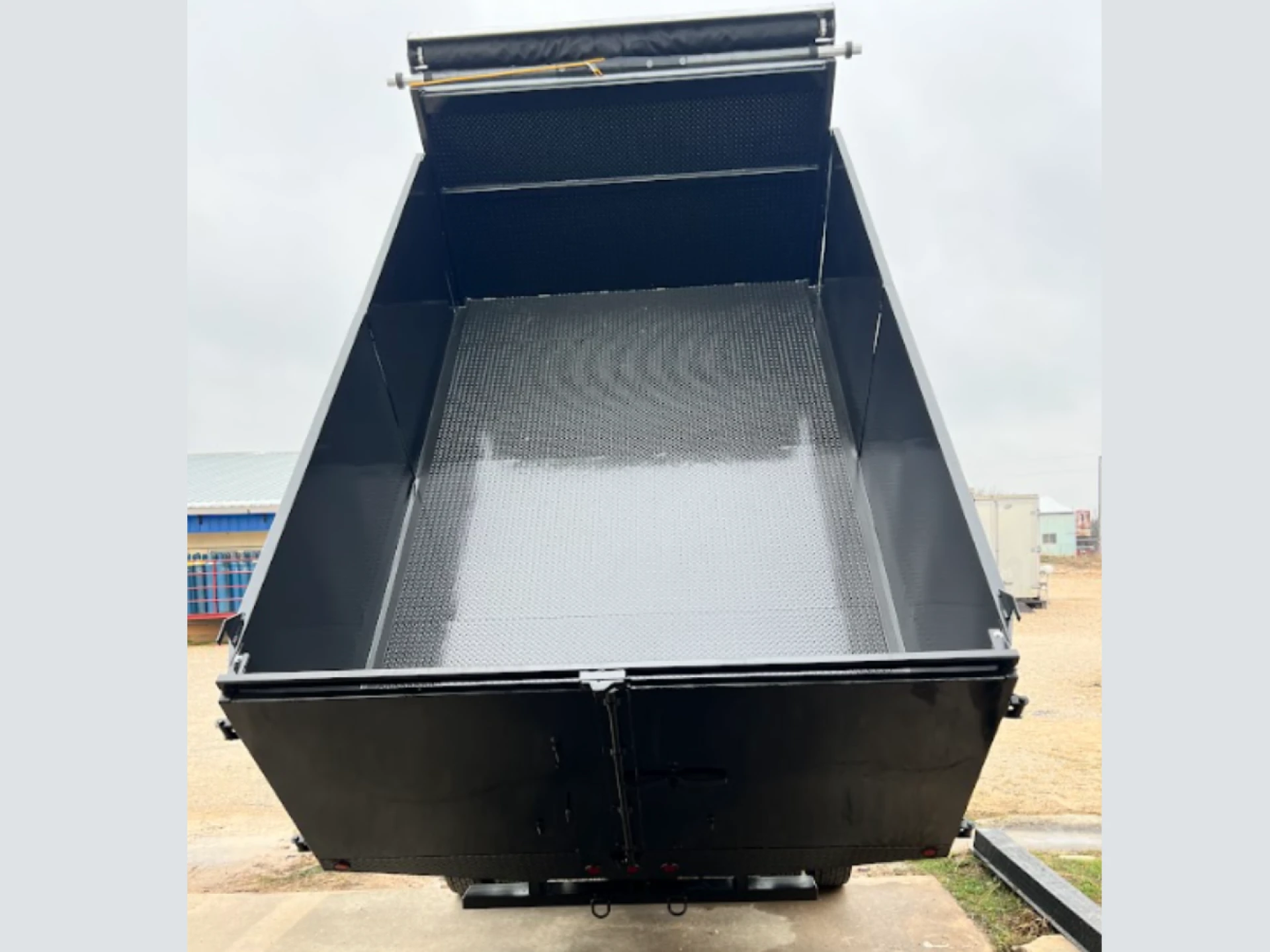
That’s the real advantage. A truck that carries what it should, stores what it needs, and doesn’t force you to manage the space in between. And when that level of design replaces partial solutions from Dump Truck Body Manufacturers, the shift toward properly built Skirted Flatbeds becomes less of an upgrade and more of a correction.


























Sign in to leave a comment.