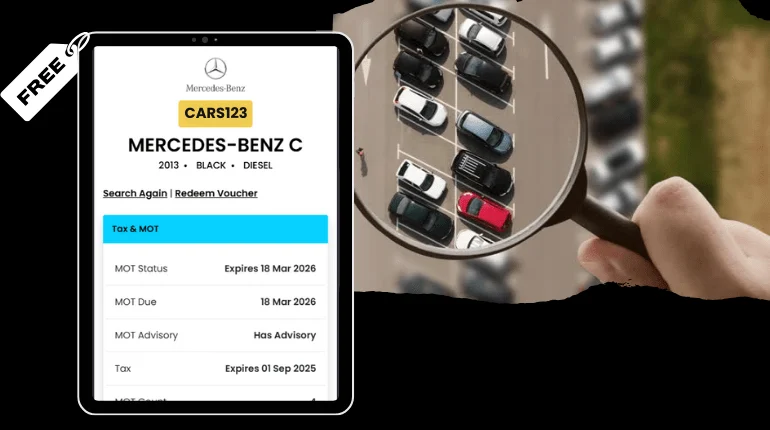
In the UK used car market of 2026, the term "owner" is used loosely, but legally, it carries a very specific weight. If you are looking at a V5C logbook, you are looking at a Registered Keeper document, not a title of ownership.
As vehicle prices remain high and sophisticated scams like car cloning rise, running a dvla registered keeper check is the only way to ensure the person selling you the car actually has the right to do so.
⚖️ The Critical Distinction
Understanding the difference between these two roles can save you from a legal nightmare:
- The Registered Keeper: This is the person or company named on the V5C logbook. They are responsible for the day-to-day administration of the vehicle, including tax, insurance, MOTs, and any speeding or parking fines.
- The Legal Owner: This is the person or entity that paid for the vehicle. In 2026, this is frequently a finance company (if the car is on PCP or HP) or a leasing firm.
The Golden Rule: The V5C explicitly states, "This document is not proof of ownership." To prove you own a car, you need the original bill of sale or a settled finance agreement.
🚩 Red Flags a Keeper History Check Reveals
When you use a car vehicle owner check, you aren't just looking for a name; you are looking for patterns. Our 2026 reports highlight:
- The "Hidden" Fleet Car: If the keeper history shows a large corporation followed by a rapid sale, the car was likely a high-mileage rental or fleet vehicle, even if the interior looks pristine.
- The 14-Day Resale: If a private seller has only been the "keeper" for two weeks before putting it back on the market, they may be a "curbstoner"—an unlicensed dealer trying to avoid consumer protection laws.
- V5C Multi-Issue Alerts: Our system tracks how many times a logbook has been reissued. Frequent reissues on a young car can suggest a history of "lost" documents used to hide categories or mileage.
Frequently Asked Questions (FAQs)
Q: Can I get the name and address of the previous owner?
A: No. Under UK GDPR and the Data (Use and Access) Act 2025, personal details are strictly protected. However, you can see the number of keepers and the exact dates they acquired and sold the vehicle.
Q: Can a registered keeper sell a car without the owner’s permission?
A: Legally, no. If a car has outstanding finance, the bank is the owner. If the keeper sells it without settling the debt, the bank can repossess the car from the new buyer—leaving you with no car and no money.
Q: How do I find the current registered keeper if I've been in an accident?
A: You must apply to the DVLA using Form V888. You must provide "reasonable cause," such as an insurance claim or a police report, to request this private data.
Q: Does having "5 previous keepers" lower the car's value?
A: Yes. In the 2026 market, "Low Owner" cars (1-2 keepers) typically sell for 10-15% more than those with a high turnover of keepers.
🛡️ Protecting Your Purchase in 2026
Don't rely on a handshake or a glimpse of a logbook. A professional dvla registered keeper check provides a transparent timeline of:
- Total number of former keepers.
- Specific dates of ownership changes.
- Plate change history (often used to mask a car's true age).
- Scrapped or exported markers.
Verify the keeper history now and ensure the car you’re buying doesn’t come with a hidden legal bill.



















Sign in to leave a comment.