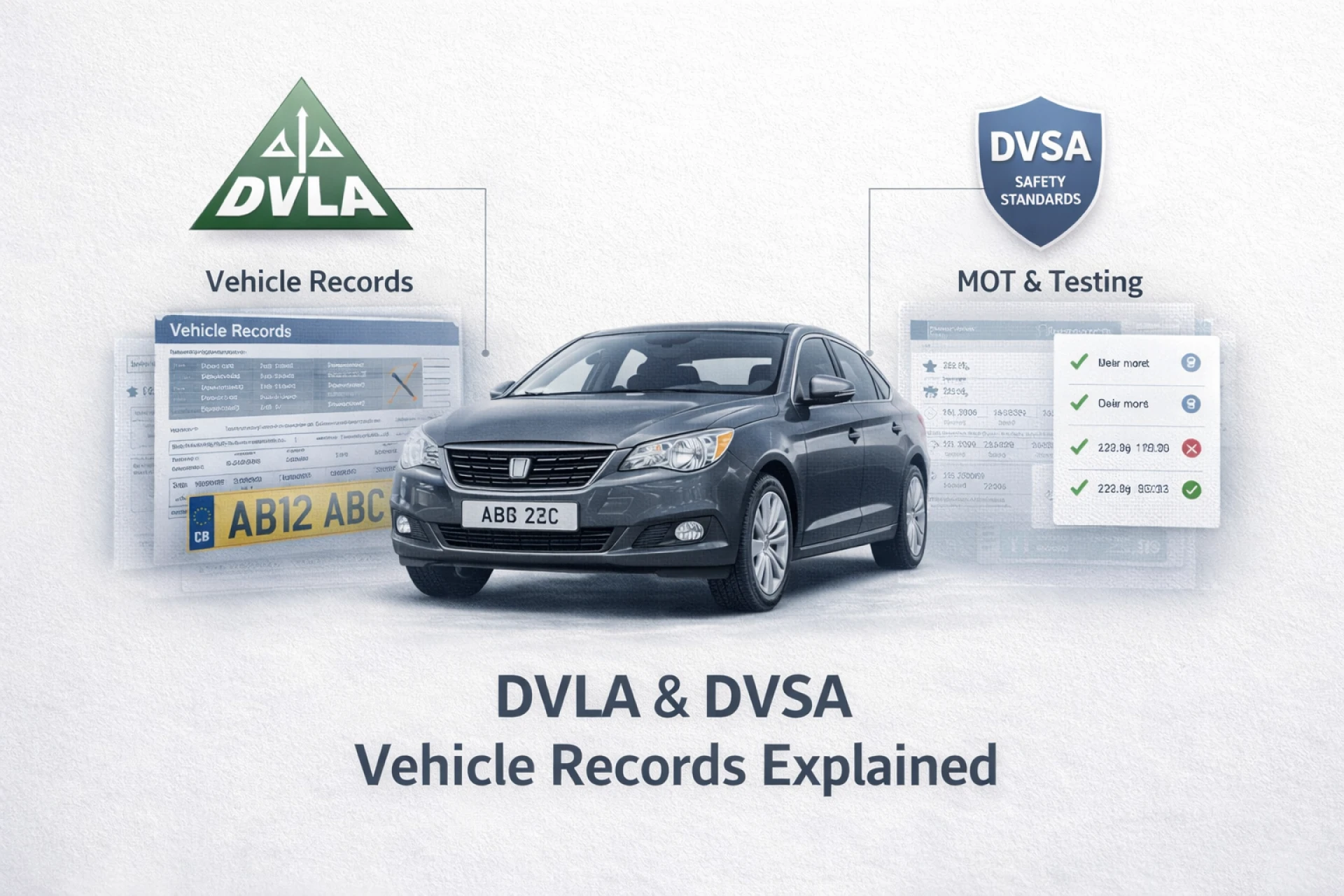
For many drivers, an MOT pass feels like a clean bill of health. The certificate arrives, the car is legal to drive for another year, and concerns are put to one side. But in reality, an MOT pass does not always mean a vehicle is free from problems.
Understanding why a car can pass its MOT while still having underlying issues helps both buyers and owners make better decisions and avoid surprises later on.
What an MOT Test Is Designed to Do
An MOT test is a minimum safety and environmental check. It assesses whether a vehicle meets legal standards on the day of the test, not whether it is in perfect condition.
The test focuses on areas such as:
- Brakes and tyres
- Lights and visibility
- Steering and suspension
- Emissions and safety-related components
If a vehicle meets the required thresholds at the time of inspection, it passes —even if some parts are nearing the end of their lifespan.
The Difference Between Failures and Advisories
One of the main reasons issues are missed is misunderstanding advisory notes.
An MOT failure means the vehicle does not meet legal requirements and must be repaired before it can be driven again. An advisory, however, highlights a component that is worn or deteriorating but not yet bad enough to fail.
Common advisory examples include:
- Tyres close to the legal tread limit
- Brake pads showing signs of wear
- Early corrosion
- Suspension components beginning to deteriorate
These are warnings, not immediate faults.
Why Problems Can Develop After a Pass
A vehicle’s condition can change quickly depending on mileage, driving habits, and environment. A component that passes in one MOT may fail months later if it continues to wear.
For example:
- Tyres flagged as close to the limit may become illegal within weeks
- Brake components may wear faster than expected
- Corrosion can spread rapidly if untreated
This is why relying only on the latest MOT result can be misleading.
The Importance of Looking at MOT History, Not Just One Test
One MOT result shows a snapshot. MOT history shows a pattern.
When reviewing MOT history, experienced buyers and dealers look for:
- Repeated advisory notes
- Issues that appear year after year
- Problems that move from advisory to failure
- Long gaps between MOT tests
These patterns often explain why a vehicle with a valid MOT may still need attention.
Why This Matters for Used Car Buyers
Used car buyers often assume a valid MOT means the car is “safe” or “problem free”. While it confirms legal roadworthiness, it does not guarantee low future costs.
A car with:
- Frequent advisories
- Recurring suspension or brake notes
- Ongoing corrosion warnings
may still pass its MOT but could require repairs sooner than expected.
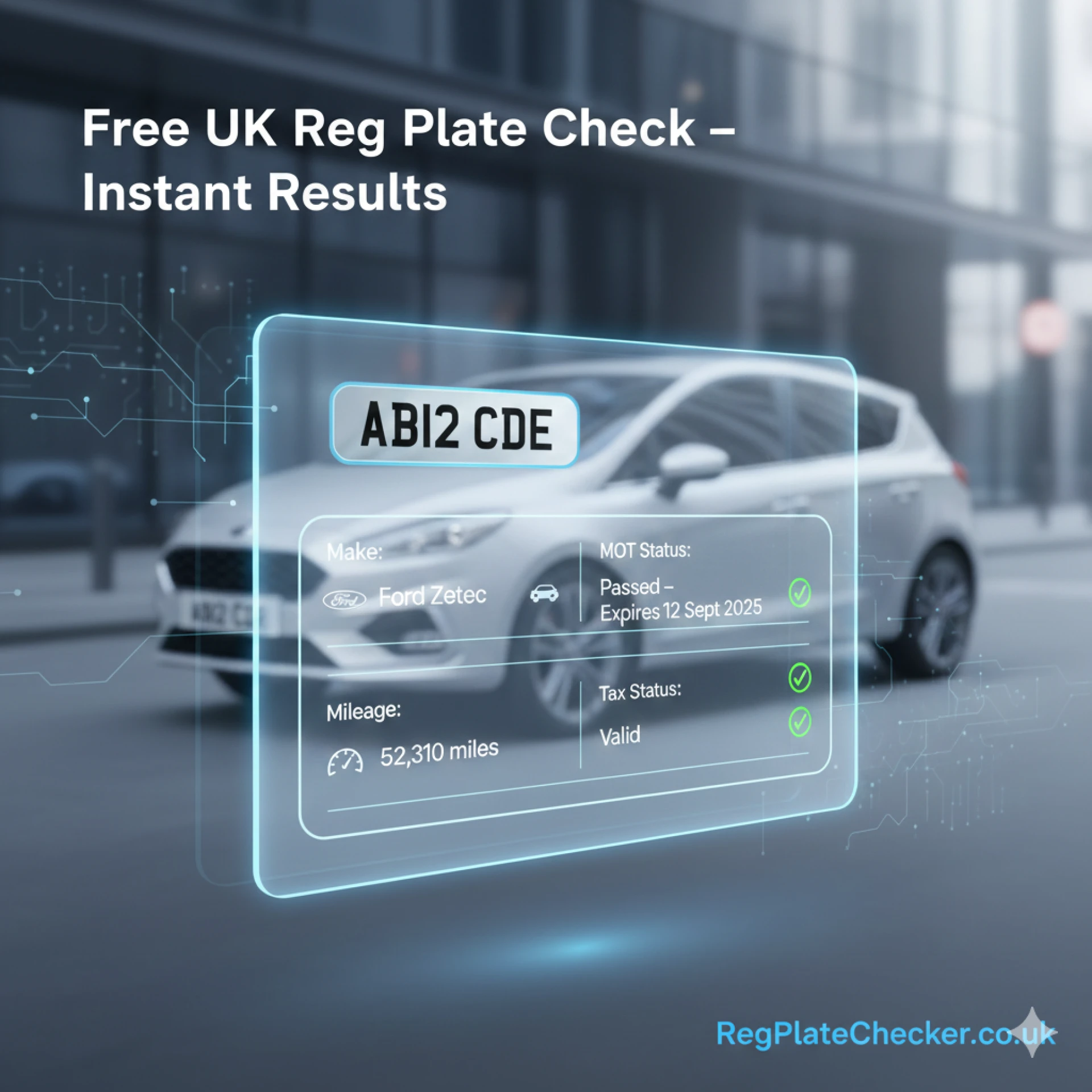
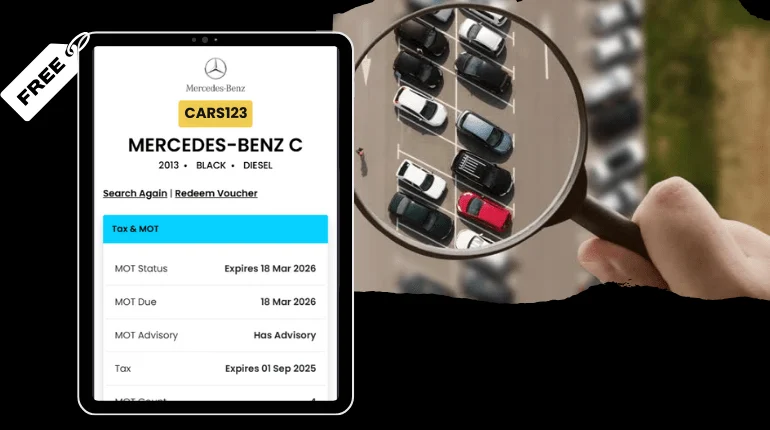
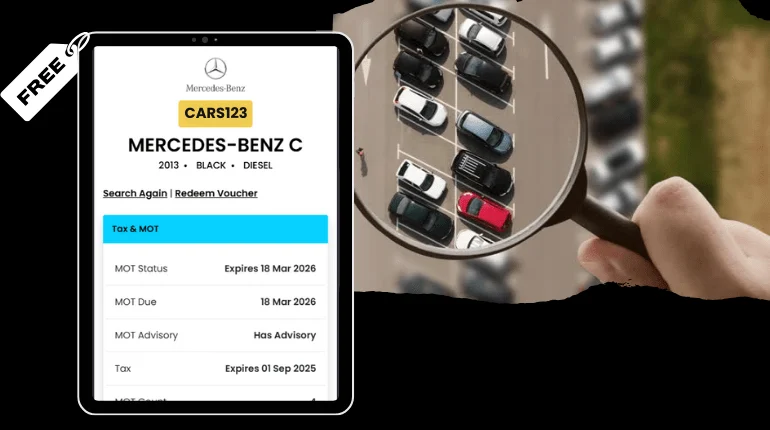
Checking MOT history through services like dvlamotcheck helps buyers see beyond the latest result and understand how the vehicle has performed over time.
Why This Matters for Current Owners
For owners, advisory notes are valuable planning tools. They help you:
- Budget for upcoming repairs
- Avoid sudden MOT failures
- Maintain the vehicle proactively
Addressing advisories early is often cheaper than waiting for a failure.
MOT Pass Does Not Mean “No Maintenance Needed”
It’s important to separate legal roadworthiness from overall vehicle condition.
A car can:
- Pass its MOT
- Drive normally
- Still have parts nearing replacement
Understanding this distinction leads to better ownership decisions and fewer unexpected costs.
Final Thoughts
An MOT pass confirms that a vehicle met legal standards on the day it was tested nothing more, nothing less. Advisory notes and MOT history provide the context that helps explain what might come next.
Whether you’re buying a used car or maintaining your own, looking beyond the pass result and reviewing the vehicle’s MOT history gives you a clearer, more realistic picture of its condition.











Sign in to leave a comment.